BEst - wavelet-based source localization
This toolbox implements the "maximum-entropy on the mean" (MEM) technique for solving MEG, EEG and fused MEEG inverse problems. Along with the classical MEM, we exploit wavelet decompositions of the data in order to target specifically oscillatory (wMEM) and synchronous cortical sources (rMEM). BEst, for "Brain Entropy in space and time", is the result of a collaborative work between École de Technologie Supérieure and the department of biomedical enginnering at McGill university (Montreal, Canada). The present tutorial shows how to use MEM on averaged MEG Tutorial UQAMwork data that can be downloaded here .
See below for more info on the BEst license and the associated publications.
MEM: quick steps
We need one gain matrix for each recording modality considered for source localization. These matrices can be computed within Brainstorm using either, sperical or realistic (recommended) head models. See the tutorial on Head models for details. Note that unlike the other methods proposed in Brainstorm, the MEM does not require prior calculation of a noise covariance matrix. In fact, this matrix is estimated using a baseline signal that can either be part of the data to localize or come from a different data.
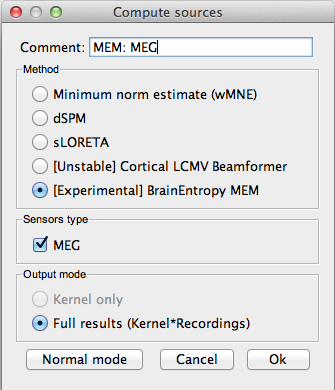
Select the TutorialCTF protocol Go to the data view mode (second button on top of the database explorer) Right-click on the data average > Compute sources > BrainEntropy MEM.. Hit 'Ok' Note: The MEM option only appears in expert mode. Make sure it is toggled from the buttom at the bottom left. It is recommended that you personnalize the comment field so as to avoid confusion when performing multiple localizations for a given dataset
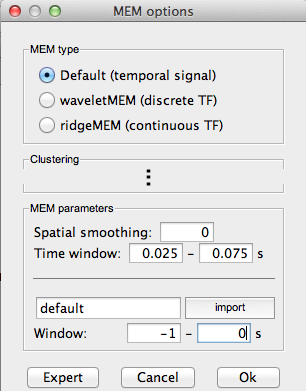
Select the MEM pipeline (MEM, wMEM or rMEM). For now, we leave the 'Clustering' options to default values, these are described here. You can select a specific time window for source localization. This option can be necessary for long data epochs, as MEM is a slow iterative process (default: localize all data). Note: this option is not considered for the wMEM (localize whole data)
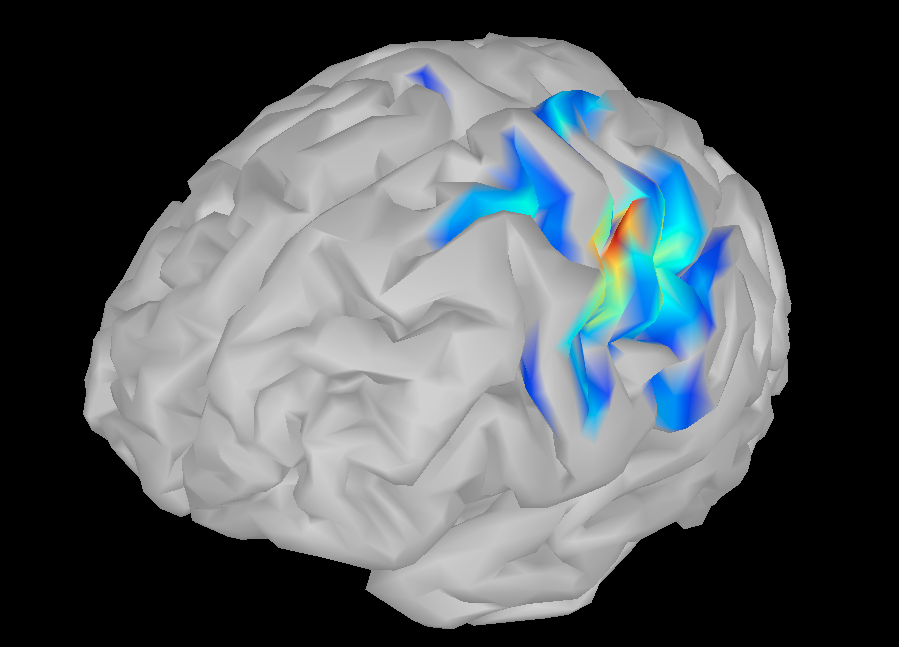
By default, the panel looks for a data called 'baseline' within the same study as the data to be localized. When not found, the baseline is the data segment specified in the field 'Window'. You can select an external baseline by hitting 'import'. Hitting 'Ok' will launch the MEM pipeline. At the end, a new results file appears in the database under the appropriate dataset. Simply double-click it to visualize.
MEM fine-tuning : cortex clustering
The major prior of the MEM is that cortical activity is compartmented into discrete parcels. The activity of a given source within a patch is thus linked to the activity of its neighbors. This step is thus important for the MEM and we propose some strategies to optimize it, depending on the type of activity we target for source localization. All these approaches are data-driven and consist in two steps: sources scoring and labelling.
Sources scoring : MSP
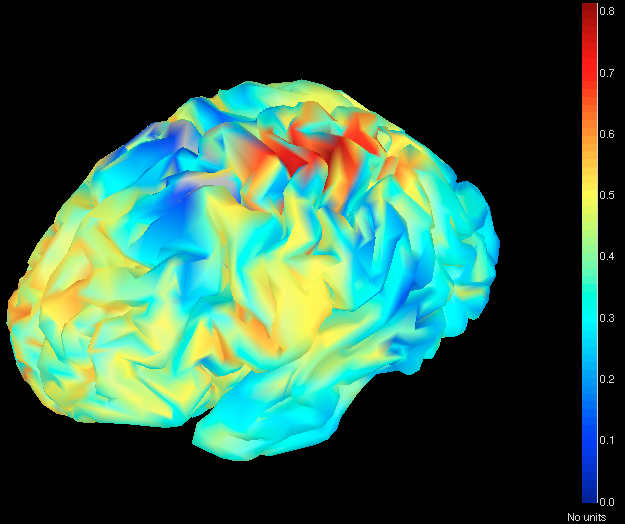
We first attribute a score to each source indicating its probability of explaining a segment of data. These scores are drawn using the multivariate source prelocalisation technique - MSP (Mattout et al. 2005, NeuroImage ). The MSP proceeds by computing a signal space projector using the SVD of the normalized data segment. The leadfields of each source are then normalized and projected on that space. The L2 norm of that projection thus gives a probability-like index between 0 and 1 weighing the contribution of each source to the data (illustrated in the following figure).
Note:
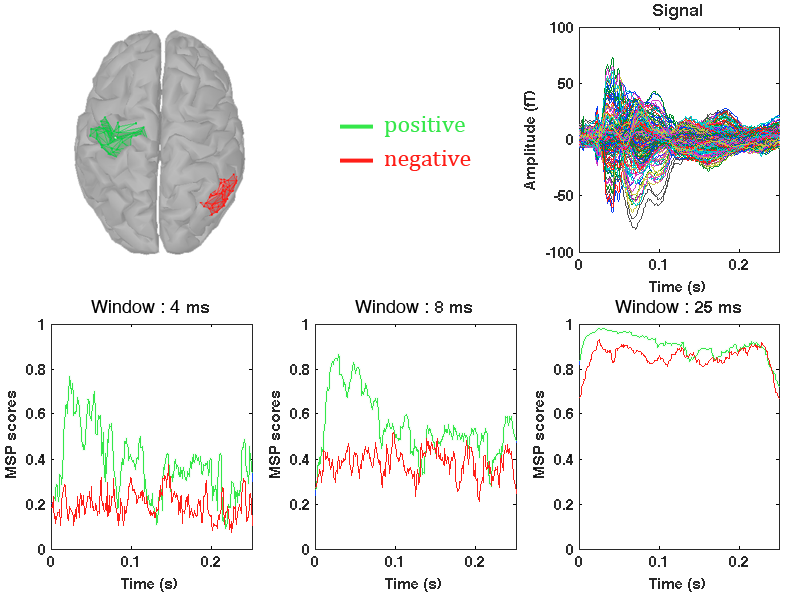
The MSP quantifies the probability for each source to explain some variability in a data segment. Implicitly, we expect the MSP scores to discriminate active regions from inactive ones in relation to the analyzed data window. In this regard, the size of the data window is an important issue. If it is too short, the variability to be explained is low and all sources will have low scores. At the opposite, if it is too large, all sources will have high MSP scores. We thus adopt two MSP strategies to obtain appropriate MSP scores distributions:
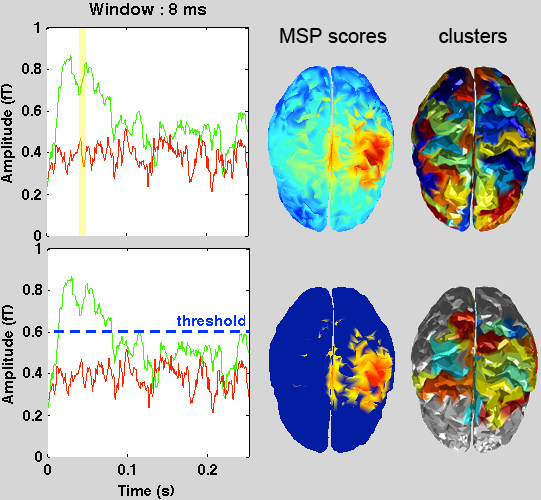
windowed MSP: (options 'blockwise' and 'wavelet-adaptive') aims at using fairly short segments of data. The size of the data segment can either be set arbitarily ('blockwise') based on empirical observations, or adapted to the temporal support of the wavelet at a given scale/frequency (only applies to wavelet-based MEM). The 'blockwise' procedure is a sliding window that computes a set of MSP scores at each time sample, thus yielding a MSP time course for each source (illsutrated in the next figure), while 'wavelet-adaptive' procedure computes a set of MSP scores for each time-frequency coefficient, thus yielding MSP time-frequency planes. These scores are then used for clustering.
canonical MSP: (option 'static') This method hypothesizes that the sources explaining the series at hand are spatially stable in time and have uncorrelated time course. It thus aims at representing cortical activity as stable parcels with evolving MSP time courses. As the scoring and the clustering are intimately related in this approach, the reader is referred to the following paper for a complete description (Chowdhury et al. 2012, NeuroImage). Briefly, we extract main components from data and build cortical patches containing sources mostly related to either one of the extracted components. The outcome of the operation is a spatially stable clustering in time but with varying MSP time courses.
Sources clustering : dynamical
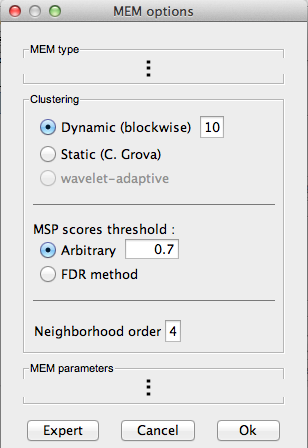
The aim of this step is to group cortical sources into spatially homogenous cortical parcels based on their MSP scores. The clustering alogrithm described next is applied at each time sample thus allowing sufficient flexibility for tracking spatially moving sources while still being able to describe spatially stable sources. It proceeds as follows:
list all vailable sources in a vector pick the source i with maximal MSP score find the neighbours of i up to the 'neighborhood order' value remove i and its neighbors from the list repeat steps 2-4 until the list is empty Note:
It is posible to apply a threshold on the MSP scores before applying the clustering. The threshold can either be set manually or derived from a baseline using an FDR criterion (see following figure). In that case, the sources with subthreshold MSP scores are excluded from step 1 and are not part of any cluster. These sources will not be part of the MEM solution.
MEM and wavelets
The most innovative aspect of the BEst toolbox is the application of the entropic source localization methodology (MEM) on wavelet coefficients. The aim of this approach is to localize neural sources responsible for a specific activity such as oscillations and synchrony. We introduce two kinds of wavelet transforms, continuous (rMEM) and discrete (wMEM), which explicit the synchronous and oscillatory components, respectively. The coefficient selection process and complete methodological steps are described in reference papers (rMEM , wMEM ).
wMEM
The following figure illustrates the results obtained by the MEM solver and the wavelet-based MEM on Brainstorm tutorial data.
data:image/png;base64,iVBORw0KGgoAAAANSUhEUgAAAksAAAFiCAIAAABplAs2AAAKMWlDQ1BJQ0MgUHJvZmlsZQAASImllndU01kWx9/v90svlCREOqHX0BQIIFJCL9KrqMQkQCgBQgKCXREVHFFEpCmCDAo44OhQZKyIYmFQ7H2CDALKODiKDZVJZM+Muzu7O7v7/eOdz7nv3vt77977zvkBQPINFAgzYCUA0oViUZiPByMmNo6BHQAwwAMMsAGAw83ODAr3jgAy+XmxGdkyJ/A3QZ/X17dm4TrTN4TBAP+dlLmZIrEsU4iM5/L42VwZF8g4LVecKbdPypi2LFXOMErOItkBZawq56RZtvjsM8tucualC3kylp85k5fOk3OvjDfnSPgyRgJlXJgj4OfK+IaMDdIk6QIZv5XHpvM52QCgSHK7mM9NlrG1jEmiiDC2jOcDgCMlfcHLvmAxf7lYfil2RmaeSJCULGaYcE0ZNo6OLIYvPzeNLxYzQzjcVI6Ix2BnpGdyhHkAzN75syjy2jJkRba3cbS3Z9pa2nxRqH+7+Rcl7+0svQz93DOI3v+H7c/8MuoBYE3JarP9D9uySgA6NwKgeu8Pm8E+ABRlfeu48sV96PJ5SRaLM52srHJzcy0FfK6lvKC/6z86/AV98T1Lebrfy8Pw5CdyJGlihrxu3Iy0DImIkZ3J4fIZzL8b4v8n8M/PYRHGT+SL+EJZRJRsygTCJFm7hTyBWJAhZAiE/6qJ/2PYP2h2rmWiNnwCtKWWQOkKDSA/9wMUlQiQ+L2yHej3vgXio4D85UXrjM7O/WdB/5wVLpEv2YKkz3HssAgGVyLKmd2TP0uABgSgCGhADWgDfWACmMAWOABn4Aa8gD8IBhEgFiwBXJAM0oEI5IKVYB0oBMVgO9gFqkAtaABNoBUcAZ3gODgDzoPL4Cq4Ce4DKRgBz8AkeA2mIQjCQmSICqlBOpAhZA7ZQixoAeQFBUJhUCyUACVBQkgCrYQ2QMVQKVQF1UFN0LfQMegMdBEahO5CQ9A49Cv0HkZgEkyDtWAj2Apmwe5wABwBL4aT4Cw4Hy6At8EVcD18CO6Az8CX4ZuwFH4GTyEAISJ0RBdhIiyEjQQjcUgiIkJWI0VIOVKPtCLdSB9yHZEiE8g7FAZFRTFQTJQzyhcVieKislCrUVtRVaiDqA5UL+o6agg1ifqEJqM10eZoJ7QfOgadhM5FF6LL0Y3odvQ59E30CPo1BoOhY4wxDhhfTCwmBbMCsxWzB9OGOY0ZxAxjprBYrBrWHOuCDcZysGJsIbYSewh7CnsNO4J9iyPidHC2OG9cHE6IW48rxzXjTuKu4UZx03glvCHeCR+M5+Hz8CX4Bnw3/gp+BD9NUCYYE1wIEYQUwjpCBaGVcI7wgPCSSCTqER2JoUQBcS2xgniYeIE4RHxHopDMSGxSPElC2kY6QDpNukt6SSaTjchu5DiymLyN3EQ+S35EfqtAVbBU8FPgKaxRqFboULim8FwRr2io6K64RDFfsVzxqOIVxQklvJKREluJo7RaqVrpmNJtpSllqrKNcrByuvJW5Wbli8pjFCzFiOJF4VEKKPspZynDVISqT2VTudQN1AbqOeoIDUMzpvnRUmjFtG9oA7RJFYrKPJUoleUq1SonVKR0hG5E96On0UvoR+i36O/naM1xn8Ofs2VO65xrc96oaqi6qfJVi1TbVG+qvldjqHmppartUOtUe6iOUjdTD1XPVd+rfk59QoOm4azB1SjSOKJxTxPWNNMM01yhuV+zX3NKS1vLRytTq1LrrNaENl3bTTtFu0z7pPa4DlVngY5Ap0znlM5ThgrDnZHGqGD0MiZ1NXV9dSW6dboDutN6xnqReuv12vQe6hP0WfqJ+mX6PfqTBjoGQQYrDVoM7hniDVmGyYa7DfsM3xgZG0UbbTLqNBozVjX2M843bjF+YEI2cTXJMqk3uWGKMWWZppruMb1qBpvZmSWbVZtdMYfN7c0F5nvMBy3QFo4WQot6i9tMEtOdmcNsYQ5Z0i0DLddbdlo+tzKwirPaYdVn9cnazjrNusH6vg3Fxt9mvU23za+2ZrZc22rbG3PJc73nrpnbNffFPPN5/Hl7592xo9oF2W2y67H7aO9gL7JvtR93MHBIcKhxuM2isUJYW1kXHNGOHo5rHI87vnOydxI7HXH6xZnpnOrc7Dw233g+f37D/GEXPReOS52LdAFjQcKCfQukrrquHNd618du+m48t0a3UXdT9xT3Q+7PPaw9RB7tHm/YTuxV7NOeiKePZ5HngBfFK9KryuuRt553kneL96SPnc8Kn9O+aN8A3x2+t/20/Lh+TX6T/g7+q/x7A0gB4QFVAY8DzQJFgd1BcJB/0M6gBwsNFwoXdgaDYL/gncEPQ4xDskK+D8WEhoRWhz4JswlbGdYXTg1fGt4c/jrCI6Ik4n6kSaQksidKMSo+qinqTbRndGm0NMYqZlXM5Vj1WEFsVxw2LiquMW5qkdeiXYtG4u3iC+NvLTZevHzxxSXqS9KWnFiquJSz9GgCOiE6oTnhAyeYU8+ZWua3rGbZJJfN3c19xnPjlfHG+S78Uv5ooktiaeJYkkvSzqTxZNfk8uQJAVtQJXiR4ptSm/ImNTj1QOpMWnRaWzouPSH9mJAiTBX2ZmhnLM8YzDTPLMyUZjll7cqaFAWIGrOh7MXZXWKa7GeqX2Ii2SgZylmQU53zNjcq9+hy5eXC5f15Znlb8kbzvfO/XoFawV3Rs1J35bqVQ6vcV9WthlYvW92zRn9NwZqRtT5rD64jrEtd98N66/Wl619tiN7QXaBVsLZgeKPPxpZChUJR4e1NzptqN6M2CzYPbJm7pXLLpyJe0aVi6+Ly4g9buVsvfWXzVcVXM9sStw2U2Jfs3Y7ZLtx+a4frjoOlyqX5pcM7g3Z2lDHKispe7Vq662L5vPLa3YTdkt3SisCKrkqDyu2VH6qSq25We1S31WjWbKl5s4e359pet72ttVq1xbXv9wn23anzqeuoN6ov34/Zn7P/SUNUQ9/XrK+bGtUbixs/HhAekB4MO9jb5NDU1KzZXNICt0haxg/FH7r6jec3Xa3M1ro2elvxYXBYcvjptwnf3joScKTnKOto63eG39W0U9uLOqCOvI7JzuROaVds1+Ax/2M93c7d7d9bfn/guO7x6hMqJ0pOEk4WnJw5lX9q6nTm6YkzSWeGe5b23D8bc/ZGb2jvwLmAcxfOe58/2+fed+qCy4XjF50uHrvEutR52f5yR79df/sPdj+0D9gPdFxxuNJ11fFq9+D8wZPXXK+due55/fwNvxuXby68OXgr8tad2/G3pXd4d8bupt19cS/n3vT9tQ/QD4oeKj0sf6T5qP5H0x/bpPbSE0OeQ/2Pwx/fH+YOP/sp+6cPIwVPyE/KR3VGm8Zsx46Pe49ffbro6cizzGfTE4U/K/9c89zk+Xe/uP3SPxkzOfJC9GLm160v1V4eeDXvVc9UyNSj1+mvp98UvVV7e/Ad613f++j3o9O5H7AfKj6afuz+FPDpwUz6zMxvA5vz/J7VfrcAAAAJcEhZcwAACxMAAAsTAQCanBgAACAASURBVHic7L3ZcxxHdi98Mquq9w1o7CAWUlwkDTWipPHMSLZnqCfrfuGIoSK+G+E3SQ/2q6y/QPZfMNLj/R5szcM8jCdsUWOHJ64sjyhrGW3DRSJBgiQWAmgsjd7X6loyv4eDOkx0N8AGAXAB+hcKqtFdlZWZlXn2c5JJKaGLLrrooosuDhz4w+5AF1100UUXXewLuhyuiy666KKLg4kuh+uiiy666OJgosvhuuiiiy66OJjocrguuuiiiy4OJrocrosuuuiii4OJLofroosuuujiYKLL4brooosuujiY6HK4LrrooosuDia6HK495ufn33jjjbfeeuvy5cutv16+fPmNN95444036Jt33nnn5c04f/48/vTWW2+98cYb9KeKQqHw1ltvvfrqq/Pz8/szji4eP+xowVy4cKFp4f3DP/wD/vTee++9+uqr77zzTtun4Iq9cOHCfgyhiweJHS2YQ0epZBft8PHHH+P8nDt3rvXXc+fOJRIJAPj444/xm7NnzyYSibMK3n//ffwJ20kkEq3t/PKXv8R23n777f0aSRePG3a0YN5++20AUBce/XT27Fls6tKlS03tXLp0CR9x9uzZfRxJFw8EO1owh41SdXW47fD666+fP3++SWyZn58/f/7866+/3nTxmTNnPlZw7tw5tZ1CofDee+813fLuu++2ttNFFztdMOrCIx0OAM6ePTs5Ofnuu++2tnPmzJkzZ87sbbe7eFjY0YI5VJSqy+G2wy9+8QsAaHrf77333uTkJP7UISYmJs6cOfOrX/1K/fLChQvz8/NvvvnmXvS0i8cS58+ff/XVVwuFwquvvvryyy+TLLWHC+bcuXPnz58vFAr0TaFQOH/+fHfhPeJ49dVXVYPhW2+9pcou58+fV70ke7VgDh6l6nK47ZBIJF5//fWm9/3uu+/ex8t+8803caGo7Zw7d25ycnLX3eziccXly5fPnz//8ssvFwqFRCKh8qG9WjBvvvkmsjT6BiW2x1QkPzyYn58n5btQKLzzzjuqLv6P//iP6mqBPV0wB4lSdTncPfDaa6+hWRL/fO+99wqFQlvqcPnyZXLevvrqq02/ouuO1ii2+dprr+1n37t4PIBWo/fff181G+5owaiBA01G9cnJybNnz6rE8fG1OB0qvPbaaxcuXEA2duHCBRSAMPANPzSZkTpfMIeKUnU53D2AngxS45A6oNO1CYlE4uceWm2YiUTi3LlzZPB89913JycnVQt4F4cWv/zlL1u/3NGC+bmCVln7tddeu3z5MhJH9Cs/phanQwUMFMJg108++QS1KBS18d+mxdD5gjlUlKrL4e6NN998E+kCkomtxJnJycl/8NBWRkZ7ES6d99577/EVi7rYW7QVmGAnC+YfFLT+ijIZSuW/+tWvUGjbi453sY84c+bM5OTkBx98AADnz5//+c9/fvbsWfzzgw8+oHBuFR0umENFqfSH3YHHAOfOnXvrrbfee++9O3fuoM3n/trBJYvq4Famzi66IOzhgsF4E5TV/vmf/3nPutjFfgJ1qbfffnt+fh6j/NFLcuHCBcwSacJeLZiDRKm6HO7eQCX9V7/61fz8fFuDUud4880333rrrfn5+cfXc9vFg8ReLZg333wTE8AxeGrP+tfFfuIXv/gFBphMTk5OTk6i0vbWW28VCoWtzIZ7uGAOBqXqcriO8Nprr50/f3576jA/P9+UitSq7b3++uu4brpydBedoMMFoy68ycnJtilQZ86cuXz5clvZv4tHE6i3vfPOO3//938PXob+e++9hzpW21s6WTCHilJ1OVx74GIiS/e5c+fOnTv37LPP0jd4Aa2zn//85wDwySefUAv0k3pZIpF4++23r1y5oi6ps2fPdnNvDyfaGr13tGDOnDlz9uxZdeEVi0X6SW327bffboqiPHPmTDwe35uRdLE/ePPNNz/55BOKB8EQoSbH2I4WzGGjVEx6xVq66KKLLrro4iChG0vZRRdddNHFwYTuOE6lUtmTtqSUjLFtLsBf709rZGxD3aQPbTtAT7mP2zu5pt1tAMBA0l34f4E/eNdIKTY6dh9PwSvxdiEE57yTG1vb32b+pZTY7H1OgteI2tWdgu7dKJnKmZQAgN/cR3uPL3D2JGMgQQINfmOlMfWah9C7BwRahB1d3Xa1q9/gCgeFSuzSfKUu9T1pqu2Hzrvh7RoupfBWDgAwAMaASYAOVwuNiGjC/Q6rTZuwu5lvupdGzRgj8kiPAwDDMPRKpXLlypX77jpNLufcdV3O+VYDwGsYY67rqn3q8BGcc9u2dV1njOEwmkAta5qmdgx/wu7hh9bb6REA4Lquruuu63Y6BYwBA+FKTdOFEACMcwHSAeASiRFzAaRwGecadk8IQR86aJ7hkGkSDMNo2z3aw3QxDge8pYAz4zgO/qTCdV3DMKg/QghN03a6EGnqWtuHFvlDZYe4TL17mZRCfX2cezN5WKBJwYA5XBMghRACGGNMAEgAHaQGUgPQAACY/bC7ul+Q0gUAlSchsd7iYon7WhUi8RtaybjCiUrsknYLIQzDoK20JxwOtw82pWlahyRIHazjOIFAwLIbmiakFFICSA1AZ0wDkAD3pjYqDVFp6W5Gh1tbSomvQ9f1TuheW6jcFwB0XXcch7gJvlyVs/T29u420oR4Bk5H0wPUy/AFaJpGq3BHo7JtG0eFz2p7O74b6g/2BGcWAHChbzW5uO51XW/LArfBhpTNXCEdpjEhXNfVdO4HJvHhEn/3GNX2Q2jTvvc6iX9vdTuxiqY5wYuJ1bVlP7jscH7onXb+jnBj4LOQUbXeSxsGW256Ck4O59x1HcZAfQuuKzjX7k8vfDwhgTMhQLiMMYMzEBIY40IIBsA4BwaMSeE6sJN99FhBYogAbfm2i5ZAQjP+iytHFVsBoEkEv29LA2yWnklp2M2LUJUbIlk72n24uzVNcxxH47pwBQBnABKwNZdz4LyjBnHzEltqEkx3Oi683XEcYkK7nHnqDDIUahNfLrFSesQecDipGLi2kmiapmmniipjjKQJ7P1Wt6t6G3grjxbNVisbu63ql7gfOusakxI40xmTDBgwBkwXQgNwgbkAAuDuplJZSNuJ2uoZ+IEE0rYzgFwB9zCKS+q2xwlEtH0uild471aPaAvsEvG2ba7E4ROVUV8lyaGapjkOMuONKdI0LiW7X7HvcYQLIHRNl5JJyQSuGskAODAppQPgABPAmRS+g2q/VVes9Cy1bQkjYwzXbRNpo51OBIp4EtGE++6eatIna8d9N0gchSkGqs6JAw3ZE+4FAwkgATgHyTQBzJVS66Q9bA11FRIsWuXmzqHOPP7JtjDCdQJSMUEh2iozxj6rCvpuORz2leQjenBrz1QqjyS+Q05OGhhpgW0NaKQe4Z/UDZXo06S0dk9l/jhBKkvYClKCFIwxBgKE5zrSNSakLYSQQjBked4qxFGgIqu+rXs9RUop0YqIn/Ettp0B1ThDO5yGQ7Je61PwLhr+VrbQ1r65rktGFRIRWq+kPqOtVdM0EiOkAox+8uwBnHMc15YWqgMJxoSUIAWXUgIXGpdSck3TXdfB313H0TQuD+i04JZxHJcx7rqupnHONSnb+yZIY8NFTiYcIqyMMbRlGYZBy7VJ5t4RVMMDaTy7VKaRo2AjxBXu2abK1GkGHMfhwBmg9w1DAjQpO1opOD9Eq8m5sxsdjoQAMiPtUt+ll44fkFYQDScrNF6/Ww6n63q9XieeKaV0HKf1MvU1kFzQ4ThxRTYaDbqx7SPAk3qkZ8pTdVj8Zqu1SExXSmnbtt/vtyyrEw4HwJjUXNfRdS6kDYy5rgNMAHOFNIRrSMkBBOf2hjPFWzqmaQaDwQ5lGeyebduqQNR29nDF00rCD5xzx3Ho9i2GwdCpgO4K13U790QKIUzTDIVCtBnaCsikWXLOcW6z2SxjLBwOA4Bt24FAoFwuSwnRaBSAr64uO87GtmeHKeiXMSlBCFfjzADmSqhxzQHwcW5Il0mpCZdJwTnnwBsHNdhEgmAMxsbGdR1f/Za0QrWIOI5TLpfJ1yA9VwUJf41Gw+fz7dIJh83W6/VQKIRE5j6c1mprjUYjGAyqvIQUzc7bwTE2Go1QMMCE4JpgXErBXEd3HY3pgnVCzwAcx8EJtG0bqQHswhiOBN+yLAAgT3+Hkv1W3ZNS+nw+fL/kziAiX6/XR0ZGiEfsisMhDc1ms4lEIhKJbGOSVrVUIUSxWHQcp6+vr5On4L1ra2uhUCgej29Do2FzWEq9Xrcsa2BgQBVG2nI4kgXq9XqxWBwaGgqFQh1Oglm38vm1gaFYMOBKZmqyDkwA+HTRw0SQSUMyF8AWciPeEt93LpcbGxvD1XNPYLczmUwgEIhEIlsZWGh0JOYUi0Wfz4eTptoc2j7F5/NJKdfW1iKRSCgU6nyDVSqVq1evPv3006FQCBW1rQJhpGL8zOfz3377bTAYHBkZsSyrWCyOj4/Pzs7WavXTp5/x+Xz/5//8f9PT0xvdlocpnJIJKVwhdM51CWYw7A4MhwMBwZjGIJDLmOnVKoMgA12C9bD7uk+QwOTx48f/7u/+bmxszGNIrJWdS8U4BACZTGZubq6vr8/n88Fm5whjLJvN5nK5iYkJv99Pt9wfLMuam5sbHR2NRqNyJyb9VgghLl++/IMf/CAQCEjFt9chG1A3qWVZ165dO336eChUAd4A5khhgBsDN+ZITXYgDKkUcm1trVgsnjx5cjcTBQCc8/n5eU3TRkZGdm8fTqfTyMOQXtHwUSYQQty+fTsYDEajUfxeh82UETxyj7QY+TnSx1wuxxiLRqOu66KWwzn3+/2app04cWJiYoLMYm1BBK7RaKyurkopjx492uGoHMeZnZ0NhUKDg4NoiGjbvvqnZVmFQqFYLB47dowkrK0WDYl7pVJpdXX1yJEj4XC4E/oupczn8isrC+MTg6GI6cqUhCpjGkBQg+Mc+gCAAQMmpNRIliyXy729vceOHYtEIp0MH1WfpaWlUCjU29uLClBbMUIqPtFarba+vh4IBHp7e9U4yW1EkEajMT8/H41Gh4aGtjcjq1aUpaWlmzdvgueQQyGrdapJzsAbTdMsFoujo6OJRCKfz9fr9Wg0+pOf/OTatWuNhunzGaVSqdEwPRPlIQIG4EpwgDEp3XhCPzoZSvYzACakPj1VSy1WhKhLaTBgB3NuJAgpy6UK55xzJgQqN9BKGMlsAwBIf8bGxl599VW/3w/KUkcKlkqlstns8ePHQ6FQZxaaLXonZalUunnz5tjY2MDAANHP+1N0XNcdHBx84YUXkskkKJENHd5OegUAVCqVJ5544syZY5FoSkAeQErQNRjlbJyx0Eb87b2Ghh8cx1lYWMjn888999xu5gpp182bNzVNm5ycxHDW+9YIXdddXFwsl8sTExPEw0hY0TStWq3++te/xreP2NDh0AiGzEN6Yf3UqBAin88vLCzYth2Px6vVajKZLJfLAEAcXnoxM21dRPQUxphhGP39/Tti45qmoVx2TwunagsNh8N+v58sEioL3+quUCg0MDDg8/k6fAeMsWA4NDx8JBiIgFhhsgKyzLmfMRsjl4R0NYazITGiEgACgcDw8LD6GrYHDieRSBiGsc3SV62gAGAYRk9Pj67r6gLdfly6rtPwMXb5nn1Do+7w8DA6ALAPba1AFK6Niz4ajR49erRUKrmuOz4+vrKyYhhGLpeTUvb0JDjnrmsLgebW3cYrP16QGDkJDuMcHE06UmMFXfpQeuFgS9cPTADAxr8HD4xxQF81vnqkMG0uVFcaWSlU8kW+Cc55b29vKBQKBAJb2XI67h0LBoMTExNkUNkN1eacnz59uknY7bx7yLwxSsXn8506dSoY8DMpONQ18Lm8ziQw5u+EvaltaprW398fi8Xue1wEzjlKzGj83GVTyWQyFosFg0HwZkmVY1rTyXQAwCARVMuQDJmmCQBI6XD6KpVKPp83TbNSqfT29k5PT8fj8VgsNjc3t7S0hA8YGRnx+/3b8x7sZec2QPBYdCQSuSfBJQbGGNM0LRgMqgxvm2VNzM8wjFgshvbcDl+GzzC0SETTuJCMMSYxP64NNgyhQgjDMHp7e3f6snE7qSEkTaDRSS9ZBG/pZI2S4h6LxbaPGJKKp9c0zfX19bm5uXK5HIlEcJKZ535vuhcdwmQrxoE0Gg3GGObxpNPpK1euJBIJpuS17ChsuotDBbK9O45DVgopJQrrKuHDD8FgMBAIYGLMbhYVUlK0pqi29/trkzE2NDRENGenjdCmE0L4fL6+vj5NM9sF5XTaGQrDjkQi4XBYtdbcN2KxGGw2gd5399Bt30QZmt6C+ggdmYEQolarLS0tWZY1MjIyOzvruu7AwABaxiKRyNzc3PLyMurR2Ww2lUpJKS3LSqVSpmm+8sorR44cQXvmVsSXRngfTlQyvm1D36HFFSc90PfbdI/61nmvNu4FsB0HJBg+DkxjUuOMixZ5k/qghst3OAmUBgCeQRW20MaklxigutlBEXa2HIWUat9wnlsvo0ZwegOBwODgoM/nq9Vq3Esw30aDJ2MCAIRCoaGhISkl6qZPPvkkY+zpp58OBoMb8WB7WoGii4MHXOq1Wm1tbW1wcBANNrquk91Ctvhp2C5C1QnkDqBu7LJBriSGqlbHDqHKtZxz4Yrd9Ahn1bZt2It9x5R0Mkppv+8Za0pkUgdOylyTlKATXbNt+9tvv63X688888y3336Lyly9Xh8cHLx58+b4+Pjt27cDgcCRI0c+//zzvr6+b7/9FgCOHTtWq9Wi0Sj6/baZDurHfeTJq4tpK97Qys/pXqaEFLdVzqSSsNz0xHv3jTFDNxi4EoQQLoDYyqOLbaImutPXTBcjg2/LgZgXPEnZCPRGaN5gi82DAaudbFoy++BM+v1+VK+Rt/Gt8+WJ+6Ld2zAM5HD4LHSNhEIh/MmyLOLKXTWui61g23Ymk7lx44bP5xseHnYcB1cXrSvm5Xc2Eb7d0Nm2stdulijfXJbhPvxeUknLY5zvUhpkSorhbpxwsDkHmmT0+25TnXmV1KjyQRP94QBQr9evXr2KMYRYigYV+UqlgiQsn8/39PREo9FTp06NjY2Fw+FwOIxOl/7+/pGREQx8V8lo6zhV/ZcUkc6BC7eTK4m4s82J1Uh/t6LvtCvI8tBpzxgzDF03dJAgREfbRnpJG50+QrFFbB/orGrJNF6V928183SNmpezVedpbtXly5SyKW1vpLeP2QL0UogSgZL3rfK2Xe6xLg4wNE3r7e2Nx+O0bVOp1Ndff51Op0mopQXpOA4twt08lIw9TVaiXbZJ22pHuTrg0ZPtrTs77QwJuzulVG2Bjey+HZWBUYMY2mZZ1vT09Oeffz4/P68+aMOUF4vFIpEIBjIEAgGcr2QyaVlWrVbr6+szTRPZ3p/+9CfHcQqFQiwWSyQS5XI5Ho83CTWtPWslZ52/BnUZbTNHbRcufUNMpW0LqsYmd2irlFI2LMsVgnGO7vAturjJTrgjg7vwMljhXpHEyDyYEm+i8o9tnquyHL513QFVr1KXmvDqQW+zBrBvrUqeys8o1oleEzHOLrpoBWobFGfPGAsGg8lkEgMC1FUkNydH74YN0EYmUXL3XFNt+T6MFkzxHbiuCyA3QnPuRgF21D3phQ1uU7phRxCbsxL3SilUySA2yDmPRqN9fX3oO6TrdVwTR44c4Zw/+eSTExMT4XAY0w/j8TjmYL300kv1ev306dMDAwO9vb1PPPEEpigCQL1eJ3VhG0/pLlV46IApqkS/1dq2vf2tadK3T3togsBKK0xjOgMJpVIpEetvt5ruNrgjBg+KAqe2sNXFrT+1TsJWT7nnxdQNKh6G3yNPImNLW1mEvI+gaGwqMwbF4dr05e53WhePIfClM5LS2i4qXdePHj2KTI4xlkwmT5w40cThcDHvMlR9U8+8XaCaMXbToLrd0ELY+b1SCVNgjAkpmJSMMyGERMImBUrY92xKnWoa4w6H0twgPXdHdLUtaJaabD8AoOv66Ohof3//N998s2kyqROMMQyP1DQNY/AMw8BsD13XMSnd5/P19PQwxizLwmB313Xz+TxlaO2VmtyKXba5o9t3ol+ClJJtkHjhuE69XotFBWN7WYOjQ972gNHUqyZ5ufV6VXWjUElKuJSep0S1/+DFuylG3sVjDLZx9AsuhK0WFeYFKUUsN5ku1Lv2fO/sFXvbqtlO0Bq4xzlnwCUwrmkCHJCSa3ynSaV7NaJ9ol1NTW0juNyNvyf9kXnOHnIJovMfL0M+jDkl+L30knwfHeL7wMAY6LrOwc85MKZJKYXbDYtoD9XBprJD/KBpmmVZKGVTRBxsG5zZxQGH3LC1bUNbpOc7p/jhB9zHhw46MuWuq0iCBCFBgJSudBkDvsH1H3ZfHwY2dDhQROxWTw8tL6GUdqRl1+T72Ss7wOMCVDakEIK5jUajYVneeYNdNIMyCtAwQLlxqMkx5YQ/DIojdnioVlQXm7GDzXTYiA94tdQRHg2XAMA1DpKBkjO2UzXuYGBTDrUaMELfkO+RvhRK/cmm8LnDJm5LCa7rOrZlaAykXS6VS6WSK7pqRxuQ5IThJJZlra+v27bd29tbKpVs245EIujWTSaTaiDoIRTMu0C5kdjbVlIOsbTDKV7D5kNUMOdHSGCMuY4jBWMaMIYuq8M1LQRdtqSINWls9CWtJNXkzbwgJaGUPXxw3X/YYAx9npxpXAKr1qqlYtF1HO7rqKTyoQJXilLatl0ul3O5XLVaTaVSaJ+MxWKZTCYajVJteCoD9rD73sVDwr1kG5WrNQUoHRJIpcYQ5r/fmv7OMG4cOx72GwHggjGk5IfUELIpSp54lVQyM9ToOLk5kp6MlrBtttnBBroBUN9oNKxKpWI79sPu1D5iewqyDYmhEABcM4lE4vjx4729vaurq7VaLRwOW5ZVLpd9Pl8oFMITfJrS8A8PPMPJxl8PtS8PH9ssAJUiEZ+DzevwMBAlCp5YWFj47W9/+y//8i/5fJ5pXAghXOGpcQcTrVZGFZx5adFNQfkqPcI/q9VqvV4HAKw3gemTqptEKhknhweMMV3X8KBTx3HKlYrVOKhnmtxdTMKD+iutlq1CHznneG4TCkPlcrnRaBw9enRiYkJKibXicrnc+vo6NbhNCsrBBmNMSgEMqGD3ocLGkO+VPksLEuUhqVSgbbrmoIK1oFqtWlaDAQPMUn3YPdxvqAwIv1Hpz5a1jMnZhvdns9m5uTmfz4dnnQwODlYqFSHEsWPHdF2nWMpDuBWlkLZt6xwkuLVatVgo5AuFRE9HR989jmiyXdu2jUyIGN5Wa0AI4fP56JTzXC739ddfc84nJiZqtVqpVBoaGjJNU3qnmZNX+HC74tih1eE6JCVqEADanDBwCTbztoNNmlpGt6n8+4Ee+t1ISdYuXa09hyOWSIumUCiYpomsjnM+NTUVDodDoVA6nbYsa2ZmRgiBZwvsPq3vsYMUQnLuClGpVKu1WqVSedg92kcIpXJ0o9FYW1tbXFxcXV3t6+uj4g5t4wKIC2IL0Wj06aefNgwjHA4jmwyFQpVKhTHW09NTq9XIME5VmLvoogl4JFipVEokEkIIXdfpYAG8gG3OC+7i4EE1N7LWystb3aauDKQ1tVrNsixd13t6epBhYsA3Fomn2t77P6JHC4yDrumcg+NKy2oAAJ5qdiDBvPo1+Kff708kEgBQLBaZV0R8K5VLelUxsfgyam90PeYG4ClZjDGUElrXaxddqHAcp1Qq3blzZ2Vl5emnn5ZKYR0ifNubFrp43MGUEoOtlKc9QyJiRLUcY7FYMpkMBoOJRKJarU5OTqJxEgO7sawleKlO+zqeRw+MaUiHuRBC1zS+pwVNHimoSZOYKBKJRHp7e+95sgRsZleY2Y36GZq4VQ8fhVAewtC4LnYETdOGhoaw6CCaB/L5/Pz8PJ7PfGhTCA4VMHfWtu21tbWZmZlsNqsSjXvocOAFSfb39wOApmnRaBStAWg7CgQCZJSjRXa4NDmsYyIF86qcHmCSrJa/azrqCT84jkPVk1vvpYpcJFaTYbMpXwXN4xQh1qVQXbSF67qrq6srKyuTk5PBYLBcLufz+cXFxVgsFg6Hkbd1dbiDDXzLrutmMpmFhYVcLtcphyMJGm1K/f39qmSNvlw1VPdwriHUObjBJaYz67qUwlOOJQAXwmGMH6S5UQO3SPdiXlDu9mFv6meunOwK3pJDxoaikkqhDh0kMM5ASMYOeDTg1mDKv+3BOTdNs16vV6vVWCzGGDt27NjPfvYzrLwsNp8D/FBAhQ4oRGtvO9MaSSi9dPmNAl6e1H2QSJAKVLf8fv/p06dPnDixsrLSXHm5LZqCUprmUX1Jau2Jw6W9IXD/bCQLSimF49hCSM6AMclAk1KwzaFNjzWa6IW6QqSSOtl6Y5MoTTwMDxTGupRYjlJuPpD2EMZSMsYESK9+90FZOjuFV3l5mxlAb25PT08gEMAQXHWZPfRkSpL/0BSPWsHeguRCEg2lkAwNIRoXIMUhMIFQcEArrdj7GT9s0DhnPoOB4KAxBrZlm6bpuq7OQTIABowzKYAd0rJwd8GU05YRSIwoVJJO38XQyvs4C76LAwVJp5xtCSGE3+9PJpOPYNll6ZWLYu2i2PcQbKPoxMaGYpwBY64QUgjGKeNrP578GODwqVx7DSGl6woJG1nQrutiUhcwAJAbdpbDurxUIG+jEwNI3Jbeud5YstK2bdVueeDFzy7uhe1c24wxLD3RpPc/ClB9OlKprbW3kN7ByOqZpVIKzpmU0nEdNB89MrPyoNHV4XYFCSBc13FszjQJMhAIxBPxDWGKMe9kXcYYP+QKHChHKZITrl6v12q1np6emZkZ27b7+/sLhYLruhgaB5vLDjzEnnfx4LHhSrpXtjtGJN1VXx4xeQi7B0rNzD0PG/AjtAAAIABJREFUm6LdgSdyAEAwEAgEAgAATAPpMs6lRGr0aE3Og0GXw+0WjHPGuJQb/l0hZL1etywrFJRsg8kdHCfcLoFpAMi96vX6/Pz80tLSj370IymlZVmXLl0KBAKcc6zCDEp1wcPo3+0C7jK4rRgDGgOklHhMmnqUzCMC7FitVsMzNfcpMJhikoeHh//f//2/DX06Go0wBlJI4bqadkjZG+zUSnnPd3PYZG0GoHHu8/k0XeOaZllWoZAvFouW1UB/bxcqKPofAPx+fyQS4ZzH4/HR0dFEIoEVUjKZjPSywsE7cfdhd/xBQ0K38vJdbG+lRBcUeCelPWqrRUppmmYqlcIyPfvxCDSHopHfcZzUUurKlUuf/s//ZNbXNc1gHAM49+PJjxbarpN7VO0iiQOlD13XLcsSQhiGYds2hr1RvBBsLWoddEgABhKkFK4rNuZPCglcSpeBdvDkJ3Sb0dtXo0hgc+1K9RY1uwAAIpEIHpSTyWTy+fyRI0dM0wTlUMfDa5+UwDgTUjCmbbh0DyfuVXkZNtM1FIxIVVIX28OiS8iDr1+/jinF+2eNQLmw0Wj813/918rK/z1xMn7q5DPJgR6QB98Eovo7mwJW71HTpCm22zRNlJjwqD1QSJuK/R7PIwUhpW07QriMc8PwGYZhNaxarSYZWI2G49qwsccOwrRIJVmbikyqSQI7codomhYOh0ul0q1bt6rVajAYpMrLdMA3ADyCYXIPEHdL7B8qdBhiRGFKSNrUUA7V7/VwxW4Mh3lgj7Msq9GwLNveTHMO7BKigDV80RhxQ79u6YejeG4M5maMNRqNubm5oaGhdDqdTCaxlMno6KhhGLiSSKg/dGqcV/8dVd9isTg3NxuPFhdTa5Fo+OjE5IE5QV6Vi1VbIniyKmxW/bdHOBx+8sknOefHjh2zLCuZTPr9fgAYHh6uVqskiaOpYD+H1cXjCmQemE/p8/lac3YPrxng0IApin6rp3O7jG+hHIXqOM709PT169dt27Ysa3V1Vdf1cDgcCARs206lUj6fr7+/H+sNPohhPTLgjBm6zph0HWHbtuO4jlW7c2fh+LHK9albPcnExNgE5+yAsDgPzKvRlc1ml5eXM5lMLBaTOzwgkHOOpZUmJibwm0QiQYIYPDzLUhePC4QQa2trCwsL0Wj0ySefpNB59ZqHa6Xs4gFAeqmHrTak9lZK1eKEmlmpVFpbWzNNEw2V1WoVBXbbtlF413Udo4YeyIgeIZD9UUopxIZ+Y9u2kKBpXNf1h24k2Vu0pq/6/X6/348jBS+cpMOmKEZA9ec1HTd4SKt2ddEBsJrg0NBQuVzG85kbjUa5XLYsy3Xdw3xu5aEC2o1M08RDldWQ2i0pEfMqwZMmF4lEfD5fIBCo1+tjY2PI+WKxmN/vHxgYwOPBMHj3gQzqUYEU0nUc6bqMMU3jjDFUmFNLi1LKaDTeaNhwUPxwCOJGmqYlk8mRkZFIJEKW6h1l3apJ36pZEi2TJGPt31i6eKyBVspKpSK9rJL5+fkvvvginU7DYQ3EPWxA6uE4zrVr1y5cuDA/P6/+2t5K2eRX0zQtHo//+Mc/PnHiRCwWazQafr/ftm0AiEQi6+vrpMBR5O5hghRCCiYBIwmlBCkrlfL0jWnQ+hnjtZoZ8PtUDteqBj1eUONKmt646t7vpCmqJodqXFMVZiJbh9A20EUnEEJUKhU8Ptfn89VqtSeeeOLs2bPRaHS/d1nTmmz1ADVF6jVdr9rzabUTyd0RFW0yzUmQUgqqBUNPpQ607SRFR6ueS7VjTbfQ3EqlZHHTJDS1Rtu586F1AtSsgsHgD3/4w6NHj2YymY78cMyrMYOsCyVrDHjFcAD8F1qqMO9t7x99MMYMQ+dcujZIKR3XBcHK5bJVz0Tj8XR6ffzIpBQAnAFsVO55rE+EUbdlU5kSUFJzOuRJqtqnhgbQ0TlYjugxnasu9huMsWg0appmT0+P3+9HITsYDFLI+D4xORLjKAdmK94mvVM21bvoGjpAQ417aEsi2g5Ebg778r69+yvWghdMbhSf8KRGisvYqjXq5FY9V1my9yyhaZp6hAINRB3m3ryAzcAnIksidwmiW9NkV8DKsB5Z1wzDMHTdsoAzmJmZ0YxqKBKWUjLO0HrZVow6zKBdjWZJrLyMhdKJ83UVuC62gpQyFArRCagPZlupzIa4i7q1KTeUVi9yXKYcVqfKc+Cd0IItUGtNB0i15RDSy5cAj80gNfL4kPAUOUl8jTYdnuaI+w6ZE+kzxMPwc5OUSQIofUMjav2SnoiNP2Dh/tCpXHsLBgBM2rbtCte2bc41w+eTQriuu5Zey+cL5XLZdV3XFWowRZdqEzRNw0NPKChAKrZu/OaucNpFF5vBGMNgN/zzwTje2OZAPNWq0UTlmxYwcgX1V7qYaAISCmpffSIoPIOgPuIu10G+q+ucc3yOEBJ3mapONdkeMUBDeBXk8XvKeSUtkwBKxWfwvAlNOh+pevTrAyZ9XQ63WwghXVeAlIVCvlqrkkvStqxarVYsFsvlsqZpjN992azjaMMDDymlZVnVajWfz1uWxRjDs4dwDnH/PILFBrt4REA8AwloU7bvvqLJcEeMipw7oOh5TQfXMS+OT5V3VR4GHu9sy0pVkGJE2wSb44zLjfpKnHPG+UbEu2dw4qp2hSomKXBN5YoAAGsP0b36Bu/ccFU0KXzqjU32SRrdA0PXSrlbMMYMn8E5ZLO5zHrGdRwAEELohuE4TjqdrtfqAJJzjYQgoRxs3cX6+vrS0hIAHD16VAgxPz8/MTGBZQSIajzsPnbxiII0CaSzD4Z6IjVHsx4oGhsVDAOFW+DFmCsslcgL+onWueM4mE9MjJPUOGIeW3WJ1C/DMCYnJ8Ph4xMTYc45HaPD2N26neqpdcTMGo2Gz+ezLIssKPh0rBQjPdc43a52TGVj1E9S7FQV8MHTvS6H2y045xrThWvX67VarWrZNgDouu73G7LBy+UyrmzhuJqucc5RZQmFQhsnXBx6ZLPZer2eSCSklOvr67Ozs0NDQzQ5bN+801082ug0UgmUU+IeGAFljFUqlevXr6fTaSpzYdt2PB7Xdb1cLlOvUL9cXV1tNBqgaDbIAgOBgK7rGA7q8/lGR0eLxWImk6E6PuFwmHNerVbJsKEySJXtxePxUqlkWdbg4ODx4y9G42Yuny9WCtVqrlyaZ9znOG44HB4cHASAfD5fqVSI/QwODhqGEY/HsZ/lcjkQCPT09DQajWq1imwvGAwmk0nbttfW1siU6vf7h4aG6vV6JpPB4un1el16rseenp5cLieEmJiYOHbs2H5H2LUlFPeovEx/ss3H91FpStK+6RltB9D0bOGd4Lx7qEJQ57fQOpMtxmj6zBhTVxVp5fQn+WldxwUpbMvy+/0NSwDjQshatVosu+MTkxsbwJN0FhcXL126dPbsWQpGBcUKj7IhLV+1P+5Gyt3GvGFrFK0E7cwC+73hm16rKpY2dV61h2A4CS0bPGyIMTY9PV2v12OxmBo10A2kPJSQAAKkDpIDOMAEgA+AAbTJtZWKE4gWv/rTngPbr1Qqn3322QcffDA4OBgOh5eWluLx+NjYWK1Wy2Qyvb29hmHcvHlzZGTEMIzZ2dnBwcHe3t6VlRVN00KhUDAYXFhYOHLkSCwWm56exm9+9rOfFQqFTz/9NBaL4VkE/f39pmkyxnBrWJY1NzfX19cXCARKpVI8Hsf0rdXV1ZMnT7qum8/nZ2a++8u/TPQPyEsXrwZC/kIu8fVXuWi8LxgMDgwMPPHEE+VyuVQqXbx4cWRkBNMtjh8/nkwmf/zjH//mN7/RNs5IKZw8ebJSqeTzedu2y+Xy2NjYyZMnAeDGjRvFYhG1wJ6enqeffhrLyvT29s7Ozvb399fr9UqlEo/HR0ZGVldXV1dX//Zv/3ZycnL/9GzVl9lE9NpzONRnmwzB9BnPaMDjmFGllV4UHFG31jbV3IM9WXlNlt+dTpx6r2p3Jq5GL0NtWSXfVIbRcWxNA8Pw9fYmbadQLtYZcMuyzQZUqpW6WQdgpKdfuXLlo48+ev7555PJJG1L3JlqDBW9KrUGMTJdNUKXvqd3RG8NthY4dgmpmNTVt9lkiFC7hwOxbbtUKmFUt2EYKOEmk0n0EJimWalUUGykw7TU4XRxyMAAGDAJcsu6rsyrKYgeJqk4xpqW3x73jDG0x+RyuXA4rGlaLpfjnKPrvVgshkIhIUQ2m0WtLpfLBQKBUChULBaJBmKtO03T8vm84ziNRsM0TcuykH+Uy2XOeTAYrFQqmOpnGIZlWZlMBvdOPp/XNM3v99dqtVwuh/7+SqWytrZWKLFwRCsWqgIi1YovnU5LMIQQ9Xq9Wq2WSiW8JRaLCSHy+Tw2hcdXhcNh7Ft/f3+1Wi0Wi0KITCYTCoUKhYJhGNVqFZ+FT8cNi91Lp9PRaLRWq6GCWCqVqtVqLpcjOXX/yJH6r4r2HK7JC4qfSWvBX23b9vl8ROxQn5NqWkZLm6qAv0uTgkrB6bmdTJ9abJNuJ32iiV+25jk2/SmEoDTLUqlomnXvFum6rs8I1U0TCy7gvblc7uLFi7Ozs5lMZnJykiZkZmbGdd2TJ09SModU8qlVhQxNHzRe4m04n8j/aCr2nMPJFheC9AKlkEljb1FKwBnGfyuVSiaTWVtbk1IGAoFEIoFlcRhjg4OD5XK5Wq0+//zzwWAwl8slEgnLsrpcrYt7AledYRj4J26BB6b048pH+Yy2J0W+0Oalz/SnelnrxSpav+noAsYY594PjHPOtY2vqZNYOQi3qjpj1GEaI/PCSegbNWKFAB4jMAyDIlOQEXIlTGafiFKTcEO/bumHU3UCAKjVagsLC4ZhJBIJ9JqUSiXG2NDQkMq0tqFKrMWzustRkdJDk9vJjcQVhHLmgpSyWq0CQDQaRd0UnWegFJRSp8WyLJ/PB8i2AXw+v5ROLp9fW1tjvAaMMWCGYTAtmM/lFu4s/OiFMz5/oNFo3Lp1a3Z2VtO0lZUV8ks3Go3PPvusUCgkk8n+/n5iDBhJyD3JQAhRKpUqlcqNGzcYY2fOnOnr66MLsJNU7Or+9NrOJ1+dOtI7KUtG1bqklK7rVqvV9fV1ABgfH8/n8zjYeDwuhAgEAs888wzzsnMGBwc1TavVaji9D/LYkS4eO+B6u3PnTjgcTiaTuPgpZAPalRrZE8gWoGuqiQbSr2rMfROEh6YvZUt0Pl22TVOSNiTm6uJZunA3KVslfU2dpM98cwLD9jPQ1KWm4ezttLeFythkSzzLPfxwZF+q1WqWZaVSqVAoZBjG4uKiYRgovNi2ncvl4vF4PB7faj0RyRNCLC4uokV4l8tOthTn7aRBYgmqSGLb9sLCgm3bzz77LCimVGLwTaYPVc3inJum6dhmo9GwbYdxR0qNMeCcu7ZbKJWuXv3+Zz/781g87jjO7du3MUNuZWUFTSuc89XV1ZmZmWw2e+fOnf7+fuZ57GiYuFxmZ2d///vfF4vFer1+/PjxoaGhZDLJGEM/FlaGRNlq/07HZkrVf86567qlUimXy5mm6ff78TAdmltSK7F8ZbVanZ2dnZ2ddRznxIkT0Wi00WioHBHfC7rokFWT63F74amLwwnciUtLS998880PfvCDvr4+pAOU9YWbfT/sY0QEELLFIkp/7hRq+01P2eaWpqdLKeUGuRJe9a7mNpkn6LfuLJXhQQurIzK4VZfU3j4Absc8poO1tmHzu97u9BzpaQN+vz8SifT29pqm2Wg04vH44uJiNBpNJBLlclkIUSgU0PRMRzS1tgYAnHPUY2KxGHqh7m9I6mTZto2HZ6qBG9uAc16pVJaXlxOJxODgIGoepmlev349Eon88Ic/BG/K0EuE+chS8TyhSo4W52AwCACFQj6TXs1lsxIk99iA4zh10wSAxcWlubm5XD5//PjxlZWVUqlkmuatW7dM0wwGg/V6/U9/+tP169dN0/zjH/84MTExNDSEXLNSqSQSCZRGi8Xi5cuX//jHP1YqlXK5vL6+LqVMJBL9/f1TU1OZTOYv/uIvgsEgRmFhXCLsjx+OeDxyoFqtls1m0Wfg9/uJXUklzRM/BAKBwcHBQCBQLpeDwaDruj6fj0ys5NxVU01B4alddNEE9CHdvHkzk8lUKhWM4ltaWvrqq6+eeuqpoaEhFPLouOY9h8otmphN24vb/roVD2ttlm1mn207s5krMmj3uFY+1LYzsG2meeuNbdu857TsHthD27ZnZmaWlpbm5ubGxsaobJvedGmtVsPQnWAwGAqFpKf1NxqNxcXF/v5+x3EKhUJfXx9+OTg4KKUcHx8fHR2lAA1oqcymMnMhhGVZpAirI6fZVG9Uf2Ut5q/l5eWpqamTJ09OTk4ypSIiXYlnaqDGicv98uXLFy5cePbZZ1955RVUejKZzNTUFLI3Mg8uLS1pmobjou8BAB/6+eefT05OPvvss8FQ0LbtdDpdLJWEdDkHzpiLo5CSMZbLZWdu3/7ij1/+r//nf2UymXq9bhhGLpfDHtq2vbq6att2MBhcXl5Op9OoxmWz2VQqderUqXg87jhOKpWan5/v7e2NRCLlcnl6ejqVSjmOc/r06T/84Q+3b9/G00Q/+eST3t7ev/iLv0C9p0lbbZreTpYOa6msqvIwXdf7+vr8fn8ul1OvJ+M+Lb50Or24uJjP52OxWDwej0QibHNxI9UeS3ozPf2wKnBsI2j+kA5/E7y5uAvOeU9Pz+nTpxlj4XAYHUvRaHR8fLynp4e2ABG7PYRUQLtDRZPhERSdgSsRCapyIzfb+po+qO2oZsamxr04A84AvGgKxhgDebeHymWbOOjGPLfTI1u5oNoloQAUnU+0hNnvx0ZGqm4YxsDAAPci1+hXXe10oVBYXFwslUqc8/7+/vHxcfKgohxdKpXGxsbQIInhNIlEIpfLGYZBjit6BzQvasGqUqmEnOPP/uzPAoEALRHpcUHYHPgrpWw0GsFgkHk2B/wXF4pt29PT059++mlPTw/WppNSFotFv99P7Pn777/P5/PhcPhHP/qRz+dzXXd1dXV9fX1tbY17iZbXr1+/cuUKBjj4/X4hRLVa/f3vf18oFN54443h4WFaVRgQePHixenp6ampqWg0+tTTTxUKhe+//z6Xy8UTSKCBc4NzK56I5nJV27GmpqaWl1e++OKLmzdvapoWCASEEKZpYgrL9evXE4lEMBis1WqlUgnnynGcO3fuDA4O1mq1arX6u9/97quvvgoEAsVi0TRNAFhfX//Nb37z8ccfFwqFUqn06aefFgqF3/72ty+88MKLL77IvZOPaD5hc5UgVTrDtyZaqqOKzYX+cM6Ja2L7Pp8PFXf1PZKNEZ3MQohEIoH22KNHjwaDQdSMae0xxarJtpAiDxUYAyEl1zg4wLBo7qGHbAl0wtXS39//9NNP+/1+XJCxWGx8fBxjcfnmRJq97EzLmsRlzL2YEXoo/cs260MAgFEYxEKk4gHhSkyK2gKNiH7iSoSL9OwljIEQEhU4CRtBqeqj6YPKOLcaIFFj/BMVALUUmcoCVdEWvMg+1RYq98GwhMNPJpORSASdZfSTrg4gm8329vaePn0aTzpF2xH6QhKJxE9/+lMppWEYpmnqut7E1ehJtPiEELlcDqUq6cX+mab52WefhcPhV155BVmu9OR38LgxvQMp5fr6+q1bt44dOxaJRDCMVQhRqVTwbOh6vX7z5k1UDmzbDofD+Xz+D3/4wxNPPHHy5MlqtZrJZL755puFhYXR0dHnn3+ec14ul1OplG3bjUYDe4UpJsVicWZmZm1tbXx8XEq5tLR08eLFVCr10ksvJRIJjP3F4adSqQ8//PD27dvHjx+/ffv2yVMnc/n85SuXLWctFgdtIzhC55zZtiMlVCqVq1evFcvl77//HoNuNU0rlUrr6+u9vb23bt1aXV0NBoN37tzRdX1hYeGFF14wDKNUKk1PTzPGbt68GY/Hp6amMM/G7/ejNU/TNNM0U6kUyi+zs7OYerKyslKr1Xp6emjDUFlV7iV40rSDUua1lRawzV5VYj/bUA11r1LLuq6XSqV8Pm+aZi6X6+vro1Ad8IQnKWVTmIx2KA/U9fCAogEfJyirTl2HeOYJGZDUpKt9Eo/kZlVMtU5x74xMtWoX21x8CwDoHE1S0dBoDwBUoBWfpTqWhBd6xjyTGHE4bAEFxw39TOkeKJIBKB4y0itUw4z0jCjkJsAu4dNRkiDgeKmuNHiBDjR8quRCQ9i/MrMqoyXooLClbDa7vr4+MzMTDoePHz+OyQCqtwxHi+4TSkBp+yQpZaFQ+Oyzz0ZGRs6cOYPjdF03k8nkcrlKpVIsFjG7niQCtF7OzMwcO3YM5/HKlSuogV26dGl8fPyv/uqvAoFAoVCg0Klbt2599913MzMzn3/+OSZwjI6OXrhw4caNG3Nzc41G48qVK7dv30ZLxcrKSm9vL2MMkz+i0Sjm6jcajfn5+VKpNDMz8/3332M25fr6+srKSiAQuHXrVjwen5ycBICenh7HcWq12traWj6fX11dnZmdrddN27JisXjDighRllIyxqUE23FK5bJtA0iWTqcZ19Zqa1JK0zTRYZDP59fX1z/++OOVlRXM9+zr68tms5VKJRqNLiws3LlzJ5VKTU9PB4NBy7KEV54YJ1lK6TiO4xUJm5qaCgQCmKCTz+ex+gDyDHyDrWZhWoVys71CfaeqgKnaGVT5sRV0MXhSCxYuQemhWCwyxuLxOOqy3Es+UXfXvkp8XTymaCJh0ktgVSW2B7BamJIVg3Vo6dHqcqWoK6bYNpgXQK8W/ULxjiLDuVLpSh2y2pS6MZGpq8ZPAODK8WesRRdUu4qxXbjv1IISNMlMUStVnY8rdT9IbgYv0gc8foGPkAoe5I7e0OHQz28YxvDw8PDwMMYFYJkyZGZ4NV4mvVQtzPhu265t2ysrK1999dXZs2cxZAOnNZfLWZZl2/by8vLJkydJCjNNs1AozMzM3L59e3JyEmNSPvrooy+//HJ4eLharWaz2Zdeeolzns1m//CHP6yvr7/00kvLy8sLCwuWZWGo53/8x3/89Kc/XVtb++677y5duvTnf/7nqVQKc61KpVIymfzJT35y4sSJ1dXVGzduaJr28ssvj42NFYtFNJzGYrF0Oo0BfsjzgsHg5cuX8/n8iy++6LouWlZJRstms1PXrn34fz+8cWOqUMiHItzv9zHmcs5tW0ghhABN8zEmhbcJMVWTMVav1y9fvswYS6fTQohyuYxLYXV1tV6vCyGuX78+Pz/vum65XK7X65hciTdSRR+pHEhh27bjOOgjvHLlytjYGIqExJNwCaoZ97Ql1F3UxGNUWQ88uyUxtm1EHFC4FOc8FothsZ96vV4sFhuNBgZ/4gXI8lGfllJiyS7btlsDX7s4vGDNnjhV3iJC/2DikmgTEeVUo1rwJ8zSk4qJD6VSkg5xZyF5xC1MjVM6qa7rjUaDPAhss6al8iG8HnknThMDxhjjm8tBSE/pJAEX+4ZPJ8qAtEJ46YYqRyQyQnwR7xVe2QrqPDaOnh35kM4J0UFxzITD4Vu3blWr1f7+/lAoRAfKIa+WSla1aiBuC0zyv3bt2vDw8PPPP49m8Wq1OjU1ZZqmz+fLZrP4ULS2ffPNN19++SWqj3/9138dCoXW1tYwGX5qagpDFtPpNCpVa2tr6XT6d7/7HfJFKSWyqOXl5c8++wyjOebn5zGnqlQqYbTklStXRkdHsRZArVa7ffv21NTU6OjonTt3MpkMBs7cvHlzbW0tHo/fvHmz0WhYljU1NbW6ulosFrGC3MjIyPLyMqpTqOp9+6c/VcvFfC4vmSkEAHN1zcAlDID/urquOe6G8U0IgZbejz766OrVq8jhAADLeSwvL1+6dGlgYGBmZsayLLTZNhoNXOj4OmiT4HJRV7+macVi8X/+53+ee+658fFxFBtVewjuRticgK866tR3ypTcAFWBg5byJU2Qm40hruv29vY+88wzmCmB0Z6hUAgbbzQaCwsLGKNbr9dN05yYmMDdSKo/PBDZvItHHKSUqDQavLWNq6WtyLXn3SCm5fP5cEP5/X7kBIFAIBAIYC4QVpWUUkYiETR9+f1+OgoRi9MGAoFgMCiECIfDWPTEMAzOOUqohmEEg0HUJfChsVgML0CiigpTOBxGhQQAotGooeuM82AwgFMUCgaZx+d8Ph8m6pD7XEoZi8UwVAfJfqPRCIVC4XDYtm0UuLGfoVCIKD9VZMb+426NxWLIzJBTYOo3nrdODq+tiMY+QQfPEaJpWl9fX6lU6u3t1TStUqmgGkcmY+bladG/W3lKkPyVy+V0On3jxg08DyWbzabT6bm5uXK5jA4z1A6FELVa7eLFi//5n/+JlrpGo9FoND799NPp6elqtVqpVEqlUjab/frrr6WUH3744ffff99oNHCtoE45Nzd3586dnp6eubm5Wq2Gyz2dTmMWAUpJS0tLn332Gaa+SSkLhQLmZpVKJZRBVldXa7Xa9evXn3vuuUqlgqPDoqLffPNNLBZbXl4eHR0dGhrKZDIAUK1WTbNRq39r6FqtUg5HpePwgOE5twGEcAGEADzDAvBYQrJOrK2tra2tic2nDmYymQ8++GBgYODq1avoKSQNmzGGm0R61R3Z5pJjtOdv37595coV27bHxsbAowic81QqtbKy8qMf/QgbxHqvkUikdc05joMFhFzXjUQiWGdL1cxQX/T5fFutV2KHnHPsKm5jfBxjjFxx9XqdMVar1crl8uDgYKPRyGQyfX19qpj8AMhWF484GGOmaVarVVwMgUAgGo2C4mQhKXy/e8I5r9fr2Wx2cHDw7NmzaGzHCHVM7xkbG8ON2d/fj3vn2LFjPp/P7/ePjIzgejYMY2JiAo8mj8ViABCJRCKRCNaHJMshMp5qtUoGs4mJCdQ6kIni7n7iiSf+8c9bAAAgAElEQVSSyaRlWUNDQ089NX70WCWRaAhH0wyWH+gJh58VoHOuxWKxkZER13UTiQQWG0PtZXx8HHnkiy++aFkWBhseOXIEaa9pmhjHMTAw4LquZVmoVnLO/X4/VuP0+/19fX3Dw8PkTAkEAn19fRj4gynUPp+vv7+fHPAPBptiKTHML5vNoskuHo+jGqc6bGDz+X7gxYKjbdO2bc55tVrVdX1tbc2yrMXFxfX19Ugk8rvf/e7GjRupVAqVEowvx2bRaInkzzTNcrkspfzuu++WlpZIQbFt+8svvywWi9evX8eapKoDDxd3tVql66lyJsoUeMzYxYsXycZoWdbq6moul8PAE+5Vmbty5QqWHGWeHxVNZ/V6fWlpCY2oFBrjum6xWALp6kxKiZVsuHAFALm7GUiM1GVo2yCFiWqa4IJAprWysrK6uopl6NTsC5SJsEKxmgmgqlb0zfr6+vvvv//tt9++9NJLx48fHx4eBgBd16empm7evPnUU0+Fw+GVlZXf//73pmn++Mc/Pn36dDgcxteBuSJYZgX34cDAgGEYJ06cIEu9EGJ+fj6Xyz333HPIdFWDiWrVlJ5pFABqtdqdO3dM0+zp6YnH48lkEg2zPT09WDE2Eon09/fXajVKbcSZQZvJfu6CRw1Syg0VgWsagPAZvmAwKAQzbRNAYqQl4+zgZhE0D0xKaVsW1n5D8hoIBDAuFxebYRi4x2FztPo+rZwbN258/fXXc3NzruuijsUYK5fLtm1bloXpnvF43LIsjP7AnZvL5VBDCgaDaJEyTRNDuFG6xQtM0xwZGclkMoFAIJVKhcNhrApk27YQore3t1wu67peLBaHh4fz+XwgEEBSJoTw+XzZzJ1AwGqYjnQ1zcddO1gqy0Kxlkgk1tfXMTYNCzojfUPrEQCkUql0Ou33+0ulEtrzkBRUq1UsR4nJrxj1jWlLQohPP/1UCJFIJJaXl7PZrGmasVjMNE1N0xYWFhKJRD6f/+///u8vv/yyt7f3b/7mb0ZGRvb2XZCNiinhAvTrRqQJsgQUKLCyZ19fH3hLhP4lN4xUnDTlcvlPf/rT8PDw4uIiBkqkUqm//Mu/TKVSUspcLjczM8MYu3LlynfffUfe12q1Wq/XUbv67rvvbt686fP58C3+8Y9/xOnGp/j9fly7CwsLpVKJ4ukxaB4UjouMCjwi2zoLuJLwGynl5cuX33///atXr5KeKqW8cePGxYsXM5mMq5woiCtACFGpVObm5lApEUIwxjdstV5It3BdAN3T4piUEmvnMM7RLg4t8Yo0k+rj1Fgs+r51u7LNzm1ieDdu3Lhx48bMzMyJEyeOHDmCMf3ff//9yspKNBr9wQ9+MD8//2//9m+2bRcKhaGhIV3Xl5eX0RVq2/bIyMivf/3rcDiMMgfn/JVXXikWi/F4/IUXXgCAjz76KJvNjo2NYfFWjNmRSnQJzb/K+UqlUiaTEUJks1nMpQMArDPb39+PFcoNwxgaGkIhBu0/QsmqOQxAe7MLjm3bPq4HAoF4PDY5OQpMW1tf0/VVdkgiLVFCZAyXkm4YiUQCVzLuEUw3YkqurWEYyGyajOp7DjzjZn5+vtFooK5Dp2JhRTrHcUZGRmZmZgYGBhzHyeVykUgE6xqjnWx1dTWRSOi6Pjk5mUqlwJNQE4lEoVAIBoOzs7O9vb0LCwto6kyn07VazXVdPL7A7/evrq7iCZSxWOzq1au9vb0AEAqFrl39qlYNDA0z1+H+kM/vZ1evFVdWMmNj47VaDWUCKeXCwoLP52s0Gul0+siRIzhXc3Nz4XB4dXW1p6cHADCyD/kuhsTPzc0NDAykUqmRkZG1tbVkMnn79m0AGBsbE0KkUqlCoTA4OFgsFrGcxZEjR5aXl+PxeE9PDzop9vxdMC8Hl6plqhRDR4sqchpN0zDjGwUinAuyOJOXkiIRMEYxk8l899131Wr10qVLjUYDvV9PPvnk4uKiruv1ev3999/H0huo2+G9y8vLX3zxxe3btwOBwDfffJNKpYhEfvjhh41Go1QqgVdSC3uMlVMwKLZ1pqSUyOGI+7Zd30wJnUilUv/6r/+KEYl01+Li4ocffpjP51tvR6UQD38i56Xw6uOA5NLriZSiySuOitz9v8bOID3/M8aIzs7Ozs/PBwIBNNzX63U8aOPs2bOZTCaTyTDGvvrqq+Hh4UQicfny5enpadx+TzzxBNbPBAAssZ1Op+v1ejwev3jxYjgcRrHg008/PXbsWE9Pz/r6+tDQEFMCvVpnD70Fk5OTmqbpuo4BojiHCwsLxWIxEonMzc2FQqFoNIpeTziUp+ds7E8NAFggEBgZGR4bH+jpiUnJK/UqYxwYMOBCCH6YJgZN2Vi1J5lMoj1QKrlGUjmmA29pFRP3ELquY/CX3+9Htooam67rPp9P07RgMIj8WNM0nweMScHL8HvcnuAFN6Bbi+5FoD0Q3RZ0L3YAL8Bsd363JvJGnAnn3NB1n8+vaTrGgOC2QpMpGgwx9QsAqDX8lb7BC7Bj2FvDMPweUOBAVZU6pnYSJ4QclnKvA8ekF6eKxrzm14SMAR+Jhrhr164dOXLk2LFjqE6S60gqR5kwJcPDcZzV1dV///d/R94GAKFQCIP4ccw3b96cmZlBsyF4C/HOnTv/9E//tLCwEIvFMHwc2YyU8vbt2xiOIZSEPFD8ya3GB9Us5pkHtwMZ+gqFgqpXoa3/1q1bbV+D9GIXybfEGPOKwOEVxNZQ8JSMcya5xpiQDPY5c1cqJQ/ISYZWCGI5mqatr69//vnnKDdomra6uvrb3/4W0x9xC2FwKdrTyaI7OzsLAJlMZm5uDjl9T0/PN998g+ddra+vDw4O0oy15XCVSgVf5crKyuTkJO58NLqeOHECd9STTz6p6zpKjhhLuRW/PNDYWIqaxh3XrdfrhUJB06qcG2a9zhjTuAYA0oGWKh8HGY5tX758GXWXU6dOnTp1Cte5bdsYvIaOXlCyjEk03w8mxzenh4JSlAQ2p3hDS2lHhFAORVF/bdtb6UH9k2gd/SSllEJyzjcE7Q3tFv9r7oN6L7XWpAO1RZPdqKljqjlK7aq2+ZCBvYL0LNLMC2Npo8PhRODpQXiU0VNPPdUUNc68HF7pZUIILysOQ264d4RKtVr9+OOP0ZyIREp11WCz5XI5l8th7B8GejAlgpYrReWbZoRtUWiOKXG0Td+3TgoFL6jR8zgJuq5bltVa6Qcv05TjSTcUuE2FAmCTGVJ6PrgNx8K+czjpOeRImKW3jikZKFWl02nmVR7hnFPNLRwdeS4p6pf0ZpSHkDvmcrkvvvgC48eOHTsGmxd0a/cw1X1paQlDVyiZBgDIC0hOO5TFKOrsUPnhuMZh47RPZjUaa2vpxYViuaxr3JBcuq7jCiFAMK4dXD9cOzAWjUaz2Swe/UG0Ip1OLywsTE5O4rkceC33CnyAlzC354SVpHxVpG5LgtSfiIuo3zdd43onaIuWMwSaOtDaOGyI2RvyNIncTdHvTQ9t/VcqOoP6JbEDdRJau6TyfnUgHc7tjsA3V66RTX446UVjY6qWlPLUqVOGYVA0B6pT6oxjpCXGhhw9elR65krkSXgBJgOoMSlScdIIL3MCADAUXirJm8SraJnS1CCn1Fqq5qtT3zTjrQwSC5rQQ6lXxKHVFH31RnLXgWcAQQHJWy8bWShyQ4qRjGOkCZNYQGefrW3qlqP9D5tXG5VIEF4JLhI+NK/2MU0m6qlUgks95JZYHXooac5lO2chAl3o+XwemSLfnKAqPYGD1gC+ZbG5cthhgBQS2MZi0jQNpW/GmOPYkoOUIKWQIA+VAgcAplmPRqNYFBcjcnFtpNPpfD4/OTmJ0jbZHphX52+f9AbaXERAmHJeGhGKpgtaP9NlrZ+bvlS/b/3prpStqCWcbZwSxxQ0PaLtT6wdtuoh84Ly2l5JmtI+MTkievjqmzqwoamgzpRIJEZGRq5du4ZRqiTFU2AF93L9isUixvNgRNDQ0BAAoBm6qYSuVELG8d3T7CM9ZYpjTHraIXiGRKYYRe+6vtop0XJrD1ATuHeUa5PAQoujaRHQlzQWulHTNCGlcBwGztAQ9PdzTa+D1AECo6ONcFRjPAjSYRIkPAgrJR5pKJUUAppG9MTKzQWHuJKYiQyMLM9oXqeR0jJVXxN9GYvF1Nlr+wry+Txj7MknnwyHw2hqZl6YqMqV1elVx7KvU/eoQeMa08AF4eM+wxBIogQDNDsBAGNcyMc44KRpc21zJf1m1s1arRaNRh3HIRu7EAJPYioWi1gXfnp6mnP+4osvjo6OcqU6K9sfOQn3iFp6F1qouUpzpVLlS20BtmBy2zwUQU018w8qtSwkiuaqKKk2BQqj2v7RKpFsuldtDZRYP6KZ/F4p1PcN5p23jpEEU1NT4+Pj9OtdZYV4IArm5XI5mUw2LQ62WTnAz7ZtY1lIyufnXrEyep1ExYj8EWMjTxvzcuzUhxL9pdtFS2w6U6qOqkYD4rV0paacmNrEJqVyGpxUqncjU8dkFPXp7K6tkruOpWvMH4RKJaDrdSk1IexsrpLLA/Agkw6TUgKTLRUZSPbhm8sTtL5Cmm3V8NJ6GVMK1qnfkElQerFnpC2pShLdrjaueUWJVHmF8jTwT0xfw+vb9g0vS6fTuVxucHAQT5pVXzH6VHRdd10hJeNcY0yTEqQkftlm9mjGWjdb08Vq51XOrc7So8VHGfgMH3MZY1xukAz00EkpAdjGH48y2so6TClPjO+LbD/Kv0JIDsAl4wAcmATg8UTPeiY9MzOTTqd1XR8bG0O+gjlbuAI55xMTEy+//HIikSCv/34QVqYEphPtpvwf9aFN20FuFsSJalGN3yZiS5+3kgmoKbKvgLcyFGLIWmmIKgfTxSpnUvkCU/QQGrIqzkql3hjzoGpv4JnB9vZF0Az4fL5nnnnm6NGjmMxHv+rquwGAQCAwOTmJGe+g0H2ig6iKRSKRYrEohEgmk/Pz8xgpK7wMbvVGtrnyL7IK6R10CUpFeZXEqzofKDVANa9smOYVrade0YSimZ5GTm9UfRlCyYIAJZqG1DvqCb0qDPxTXypjzBVCCOE3dLPesO2AaUpNq2ua33FkwzTrdQkMGCCH4006nFQsilw5TqHtW6RViBe35SJtCTQxaeGBIprUZpmioapuTuKLtBVxMVEZHpoc4TlQt+pJLBabnJw0TRNP8eabonU23o5lWZqGh7jiTtuoqCel20TQ1W3Tupe2mkB6Fo1lm1seHlDwBuCCua7rCtcFKTkDLrH7sOFpefQNlaoUov6pyhNN10jlB/BK4oNkmqbl8/lTp05JKWOxGPGVZDLp8/kwYRkjGGOx2L6mFas8gARK4m34J1lK25J1WrRkRFHNFaTkNd2oMjxQqjarAjdehilKum5wzl3h4jphSpFllaqr6gEoSYTUDSLOQjkoQKXzTfIibN6eqt1uz0UNdXIwOx5r/hF0Il6apq2trV2/fr1UKqEEpBI1EkxwnLFYDIPfsE4jxQVwL8aBBCgM1CSRnzgTKs5c8QOBQmrp3dMKoNbIAYZR7K53DDS9G5JluOJtpilWWQWtP+4FtuA8oDJB/IYGCEpkCjJFkJJzzXFcEpoMn+YtO3zH0tuzbRwnxKvUeNGmRaASAuLZsHWWWJOsh8AhMMbwTHbUSinbDFvWvBO6qR0atcqHwAsDIV4LSlVW6mRrx/BsppWVFQDw+/0YF0CiDO0ExpgQskmPb22wiWMh2uphRHruyQUfCrbY80zC5iiDjYu9ZfBA+7gHUIfZtHR5Gz+NBNYswHHOR0dHa7XaxMREJBKhdRsIBOjoHHWrPoCxcMVhTByr6XsKRFd3EI2X7FgqD5CK7Ngk5YPHM9TWaFciBZao43s0CDZ4211G1cqQwKspQS2rCgANVg1QYIrySjS8qU0aI/afyjDtH59rhY4dpdKZPp+vp6cnEolQMKHcbOqlzqnHeWNihGmaQ0NDQghMm8dXq+v6D3/4w3w+v7KygmGK2JTf7+/p6bFtG+tj4bxgXDvGvKhThn2jvD3Hcfr7+23bLpVKZHuUXqgC1tSfmJi4c+cORXIyr7ojAHDOMYucKLv01Bfw5BS60e/3B4NBqowspUQlDz2OjPFQOORYlv3/s/emP3Jc1+HoOfdW9d49PfvC4ZAUF4mirNVyLEuKbciOYsYxAsMGDCP5ECD+J/L3BAj8EsRIkMTPRp78PtjPSuIgkv2TKJG2uK8znLXXqrr3vA+n68zp6u5hD4ekKNoHENXTXXX3e/almwBHU/BMUqKABoGY6c7G6cqAjXJMHUq3NNUhJfllHhMaqW+LFlKJiONams2mJADL5XIzMzN37tyRXrRKWXZBugvDUOLYnMqMnPEyHaQiExMTMzMziFir1dhuJ8+HYcgJr1MJMjBZV+ysvJLBFzAG6ZIzLE8KaYTHKq48pWFEHnwv3lnkttRliQjoMVdTaqSsP2S2aQhNGoYBnUvW19eXl5eDIODAJM1rjroUDwNI+fdSGpwjDpCQzgiVb5pPzdugXJ3lEJLyPxA9TTrrXUlAmzM0/bMqrR0ieucRwSB2k17+Ju+9906us07dzh5kwljLSCgVzoREgVLw6EvEMowW72ShpEce59Ddf9jQM5VJuBwibm9v6zkLFtDCppAEIqrX62+//fbS0tLdu3dPnDjR6XTeeeedc+fOcXz3oUOH/uIv/uL8+fM/+clPisXi5uamhISfPXv217/+9TvvvFOv10+ePNntdn/1q18h4lNPPXXp0qVOp1OpVKIoYqLIaXkZk1YqlbfffjuKon/5l3/hsbE7O8cRb2xsHDp06O233/7Rj37EYf/W2mPHjm1ubrbb7Xq9ztic4x+JiLPscIBXvV5nulgqlU6dOjU9Pc3FdD788MMLFy5sb29LSVgACILg5KlTLzz/wv/7s/+nsWODkPjYGimoC0REyP8fkOGEGDjnKpXK5uamCL7ZTUp3R2xXQ0mIDEzuAKrUycwfTE5OLiwsXL16dWdnp1Ao7OzsvPrqq6+++uo//uM/Xr9+XXgI4Rs0eeNOS6US+7Pwui0sLEj2GdYhj7LDxXHMiX9u3LjBaVb0JeFM1p1OJ46TarWmjSjGmKESsLyuP+x93DUVFNr2iK/cPYHYOQAcEKED74FIZ+Zk7E9An43cJoO8SOanDLeBiMSpgfrBGIuI7733XpIkTz/9tLzI2FNj4Yc4mRQ4260gd0wNPYxL+TMnXWJ2EFI/AL5QYtfnB5xKNsb4ivMdM0V0ab5Nk5YgEMVVp9PhbySThve+UCiwXSIMjQ0C6FnpQs2P8osMovTijL6idcO09g2jSu891wBhcYjRMk+EpQ6RR0X4M6p6HBsyHn0Ch0BWn9JoeQ6fZBWWdt8XTTEo+433fmFh4ejRo8888wxLPK1W6/Tp0z/96U//8z//8+TJk1/96ldfeOGFlZUVzsJ5+fLlf//3fy8UCt/+9re//OUvLy0tNRqNM2fOvPHGG5ubmzs7O1tbW2fPnv23f/u3GzdufP3rXy+VSufOnTt37tyLL74oeUaWl5fffvvtnZ2dX/7yl2tra8VicWlpqdvtckbN5eXlZ555Zm5ubmJigitiLy8vf//7319fX79w4cKzzz77q1/9iqNEL1y4EEVRvV5/7bXX/vu///v111//4z/+4x/+8If/+7//+/TTT//1X//1yspKtVp1zl28ePHdd9/94IMPut0u079cLler1c6e/bNqtbq1uW6RNrfPGXPHGud9DxkRQUbGyKw+n8hqtfqlL33p/fffv3379uAzmOr6IdWR8hEcPCgiZQrKkBYAII7j6enp119/fWVlZW1t7aOPPpqfn//ggw/Onj37uc997j/+4z+63e6ZM2euXr168eLFQqHACV6ZFvIdKBQKExMTL774Yr1ev3Tp0i9/+cu5ubk//dM//dd//deMulL+1FAul0+ePLmzs7O5ucnUWkye165d41R4v/vd7yYm6kePHtPMoHNuqL/3mJRJHtMihZbeNNl79DD0VPT+RQ9kAAwicmBlz/ZGrPV+3GU4rUyTpc4oyobyakM3w3s/MTHhnNvc3GS/DPGBEjXgI1BRcnec2oORAwBw4o98Pm/TNCU80+npabbjzMzMcDYTZtA5CZbU3KnX67JQHOrH5aU4ewuTkDAMp6amGF0wnahUKpzU31p74sQJae2Vz79y+nRSm+gg5LzxnXZ1aak8MTFTLlfExM66OkTkNCVSXJoNnJzGj9li1nhxHhPn3MTEhLV2amqKKwmEYbi0tISI5XLZe3/o0KGZmZlyucyMMlelFtmjXq8zL/soky/vxjXziOv1erPZNMZsbGxwOXC+/yJmMrblI8tcCSLOzc3VajVK1Y/1et05d+LEiePHjx8/ftxaW6vVjhw5YoxhvaL3/rnnniuVSk8//fT3vve9o0ePTk1NxXH82muvceLj9957r1gsfutb31peXr5+/frf//3fnzp1qlqtTkxMBEEwOTl55MiRzc3NU6dOhWH4xhtvnD179pNPPvnxj39cLBbfeuutU6dOcT2IX/3qV7/4xS+OHTv22muv5XI5Ti514sSJer1++/btf/iHfzh37tzi4uI3vvGNMAxfeeWVL37xi0xlP//5z585c0YikV944QUWNI0x09PTCwsLURStra0dP37cBva73/1u1Gn93z9djZI7njyihZ5e2xULBaCk2+6A0v5xm+JE+rnPfe6b3/xmtVr9xS9+wUQOU38z1lGIRoKd7EWHAKnGQ/CFUS65vj/ijYjOnDnzne98Z2ZmptPpXLp0KZ/PHzly5MUXXywWi8ePH3/llVe++tWv/vSnP11dXa3X69/4xjfm5uZ+/vOfv/vuu81mc2VlJZ/Pf/nLX37rrbestf/1X/9148aN48ePv/rqq5xiVOtezDCK1G63uSwt1x8Xeuy9ZyX2sWPHmI7mcjlmCX3PcItEXtDgUCYARtux9ZqTsulmWhiHyGXaH/qKlhFBiSmDPY7sJTXPg0Hgm4eGY016mgHp59Gyw+OA7EKfTNYvamvQXwpnRkCAts+GTd57d+vWLVYzcF5yr+JeUJmFpHG/60z4IMFaOzk5uby8PDc3x/UaWZ7jkbCFm4hKpRI/z55ZktsWU7U862aYAHDVTCJifxkAiOM4n8+z2ASpz5fQDBah+EVQdYWSJDHQOnx4s1TZMZB3kOxszxYLZed29UPyou0vv8WUifVhrFPhFPAiqvL3XJSAtWtc1Us0Lvw9F8aSOqhsGQGAYrF4/vz5mzdvfulLXxpMqXFA0EdLfw5SLRDwxPL5PNen2NjYmJ+fZxQv3hD8jld1c0R81hIDIj777LOnTp0S4yQATExMAEC1Wv3BD34QxzHHbNbr9ZdeeonfKhQKb775ZrlcXl5e/pM/+ZMoilZWVmq1WrFY/Ku/+iv2D8a0LDp3feLEiTt37pw4ceLYsWOlUumdd94BgBMnThw6dAgR33zzzVOnTjWbzZMnT5bL5XK5XK/XAeCP/uiPiGhubs4Y87Of/SwMw5WVlbNnzzJj8tprrzWbzbfeeotrcwgcO3aMwyzk3nJtGufcU089tb25bq2lWFwTAyLvXBKGIYLptFpsORfaEwTB7Ozs+vp6HMdf/OIXT548ybXLuTqo975UKj333HPXr1+/cuUKpBpz0XjIRpJKPsLGAN4LvnWlUqlUKvFZdM4dP358eXmZWZD5+flGo3H48OHp6Wnn3He/+91arTY7O8vplavV6ttvv53L5U6dOlWpVM6dO/e9733v4sWLp0+f5rV9/fXXW63W3Nzc0aNHv/3tb3/wwQeoYhb9MKdQvvyFQmFra+vKlSsnTpzgc2+tPXz48Pr6eqfT2d7eDsNcvT7J7LCynNOuZKMUvPpPGKGh0iRnHBKVeUATvwzK1s9oIjr4sBZc7gnY8x/EVAVAnjyagHwvRYVBJEAzsMLCj2qZaVj72aGCosSZP0cR7FHNajKTITZaLtc/DedLgDwQgQfwCETkrbUnT55cX18/dOgQEw+jCm1zhJzQOa88/R4Gnbt48eKPf/zj7e1t5hQ5YgoAuCgVI9JDhw4BgHPu8OHDd+7c4URCTLdKpdLa2lqtVut2u1zIZnV1lXVUk5OTXAdnfX2d6wbz+YmiiDuamZmZmZnZ2toCgHw+f+fOHZuWDmYSmESbX/xi+fBKzmDeo7t6Jfc//7PZ7e5qRKRqFStUGYHk8/n5+XlWgbLOZmlpqVQqXbt2jalss9ksl8udTueZZ55haYG1O5ubm+Vymel3qVRqNBpcs3p7e5uXvV6vz87OAsBLL73EOP+VV17Rfh4H3Bq9y/KN/BoIioTUQdF7z3VM2BmB0aW2gkKqOpOIqEEQ/yLs92SDNEWT9lCQYS0vL1er1ampqTfffBMAJKfnyZMnYeBW5HK5V155pV6vHzlyBACmpqb+/M//nDN2c7/GmNnZ2bfffrter7Pnp2bhJycnv/CFL3CFi6mpKXbtI6KJiYmvfe1rTAszMBSBGmvyhUI+n7fsaMSRSohJ4iZqE5OTk3fXbnN8rjYUz8/Pf+c73/n1r3995coVJuSHDh2amppaXFy8fv26MWZqauorX/nKO++8w9XsICVyMn2NL7hCLOeW5LmzYmFycvLpp59eWFj4zW9+89FHH7FeQrAPazl4C06dOsUb+vLLLz///PP8K1/Os2fPHjlyhIvsFAoFnsL09PTXv/71fD5fqVSg3/1k1EI1m01I+Vn268VU+80tWGvZ87vT6RQKBTFoY+o1LlPW7WsJYPC2DJUbRoHm0viDtmhSCpkusN+3TSNTTSf8QFpYEVmy40gpeir4QOrsnV7g9F8c0Y4MSQ9YCDP2C1VD10ev6r6WTnrMEDPRtI+PztJtZz8tBKKZmZnp6Wm2+kiGHUiDhRjE0vPAqZoA0xKO6eQqGSxW+jQ81BjDeTJ5Hd7QEOoAACAASURBVCYmJprNphT6Yb88KRxaLBYrlUqz2Ww2m845rnsXxzEXEGAkLKFTQRBwbVKeMle6sWmoLuNSlyARERAiGmtsYIMg5PAbXhOmLjbNwszT4QGzbMcksFqtchIZAGASy9mIJiYmCoUCz1emw58LhUIcx1w8SNjxSqXCnmWcutY+nAJ+eq91F70ZCpFjSZl1r0JmXRrJKFYWSD2F9jhDGg3JVfcq2CJzBImoUqlwqQgY5kAI/WkkgyA4c+YMKyqZ4H3+85/vdrsse/GMOAyQ9QC6ETGBshKVkxQLJebKEXsv4i5QLxSjXq9HcR4wRkLvyRgs5AqVSuXG9StEHmC3hHwulzt9+vTZs2dfeuml8+fPHz9+PAzDxcXFI0eOtFqt7e3tzc3Ner2+srIyOztr0/KnsoaCcAWxSsUQvgbOuU6nMzc39/Wvf/3NN9/kjLTdbvfUqVOCFIThFd6Ht5vLOcoR8d6fOnWKtdCso5d94RhbnzqJeeVbjMOUftPT0yxQLi0tscqaB8zUkWswRlGEaNhR1u9G56AQzgyFy+Do8enZ4GOaLMlqm/448VGCiPQrrBWD/lXTSNiThAwesp6bknItQUSDaEyf77WMXHrXxE9TNU3k9l6QDLMisxi1enK6YBh7vk+So0kczw7krPrU59mkjlGQ6gn0GODhZF6mVC9KqY9Vb8Tqktr+qtYiJIDaBVTezrvT7gfpUToVFJrZXwbve4VNEJAb43Pi08DtjEbBp6C7EGcWp9K1CObJCDb8ulF+npgKVXLMZKajhKL7Bi13wQBn0/Oe561iBxsWTpmJZmWxDtfw/bHSQyFzAWRRNAEfPHOy36iiv4X0CrsB6XkSGibqeGttqVTKZJxiIUPYK92XtZYVZYLoMeU3x2c0nPdJFLEBeW3deg++59drG83mjRs3gEWcpKcNsNayUpSrQ01PT3Nhp3K5vLKy8utf/5pjfY4ePXrs2DGu2Cfx7NTvuYupt30cx1x+nuPuq9UqK3W/9rWvsXHrlVde4WK7Nk1rYlJnJ30Evcrmpx2LmHGW42t2A9e8COu8Yjr0PgNcGnh7e3t+fp6V9XypkiRhXyHePmNsoVC8ffs2b3qSJIziMgdXHy2Nu8fctTFRnn5M7s9gL7pruSMacynUM454NGR0KW1M1R7GeHbaHeg9s1CkZDgYwIaD09l7eBqljvp11Lv7IjO90ao/KL3yvt8PgH2XSqUSXyjm4fRkHzgIotfz1QKcqGo1DePvJTEs9J8ovYOD3UmbQrw1HrAq/UXf1kN67LxHBEGtQg80ysV+iV9AKJ/MVH+WFjRLp1UaACAKZHn+AeyBAo3EdMwGQ6+kUBRFLLcZY65evcp+dyyGy+VkJ1FWeUuo9ahe9eWRS6X3chTCAkWNfBrGIKtD/bku9Q6RypNCKoMXKKSsuzYqHlzGDApDjb0T5FxiEA0alzhEyOfzYZgjakXdyLnm3Nxcc2cn2tqRy3nkyJHTp08zUaxUKtxRsVh8+eWX19fXf/KTnxw/fvzLX/5ytVo9evQoh6/J+qBii2ShKHXc4NWbnp4+derUc889t7CwwL8+99xzR44cycimmpkyymIvLIUcFJF9sT/Ln7xiUocXVD4ymWXa3Nzk2u6bm5tzc3OFQgH7E7b6Xn2pgMkk39t0I3YPEvYzhplvhu7QPbdSN7hHU/qKZh7QXQyyyUOHsfeoEHZdCnv7joy0PHnP/LlEdEhfQxlkwX0CewxDiF/mS/1nhoMZfH7o1HAYczAcepZIAEydaRCwV5GqB3ybkiT55JNPzp07d+bMmcnJSa5Q79I0jJR6CYzV6X4gQwzEI0z61YKRTxNcoOLdNT7UBEY/ICDN6t3Rb/EzPb6c0hWE3aKURH38h2Ba3x/BBgPlo4VRk5g/TcxGnWG5mFIlTpPVAyz8cODKoDYNWk+ShGMBACBg0sXdr6+v3717N5fLLS8vc9o3vkLOuVar9dvf/hYRZ2dnuYorx2/pHJeZGWpEIFfL94cPD0IGqwrHoaOsBmVheV23rA05XsVqeJX7Cvs1dZgarsffBoMmn88DeGSVkYEwDL0PvffOEyWu2WzWahPVWv32nVvMSVSrVR6n7U+LPDMzc/To0dnZ2W9961uvvvqqMWZiYqJWq7EJOnPyEFFcKzlrEevxZ2Zm3nzzzTfeeGN+fp4tAQAwNTVVr9flbgiLoEmXNM70yapAeKH6GRpgVcycNEUD2YYYyuXy1NRUtVpdXFzkgaFK5cfK2CAI4jgJgpCZFckNxuWuZJvk1mk0sS/yNojlNZ2QprSmUWi/7lf/qduUFuRcZfD7XgeMiAh374xSQhrLBh5rc9aTiaNuBrHq3uV1vVyDc5TG9UQGMdHeK5yhrEOJ2ajXhzapPvSUlHxIpClhfJ1zk5OT7M1orb148eLPf/7zF154YXZ2NoOCxu59vCGmB5gFR2ttZn81bhGOmRRdzNCqDM89uAvyp25NE7/s4gEYNAb7mHW9+4O7LN9gf22gzKkYekL0NzIYqfop2s79HIOxgNLa7h999NHVq1cvXbqUzbwM6Rktl8unTp26du1at9vd3Nys1Wre+26322w2oygqFAq3b9/e2trietDVapWrEXrvL1++HAQBSwxDtwRUUew9yFtmjVBJgValzNBaVy0a79GgvCJqOuhXWuoG98X09Y6a91NTU4VCoRs1u91uHCc2CAAcq9dee+2108+e+Yd//L8+/vjj+fn5L3zhC2ws1EefP3OY+dTUFI9zbm6OPwPAlStX2AdXpuCcY3/ihYWFqamp8+fPJ0ly5MiRb37zm2zoAiXCZ2IV9JTlX8Egpt/gmrm9lJoAvferq6s3btxgvy/sJ4TCQBhjuDb6+vp6GIbb29uzs7NaledUmQKNxWD3pgGkGjlUmgDqB31+5IMWOvXtHb6Pe5JJOX5D0X3mxA6i1L2RrEk17UmSMH2LPec0MT0EiJYMGWPCnA3zQRT7KOWstfpOhqGxEqUS3h6EKjOYzID1et6zhX1hsWHLQp6lDwJg0Y34IdIUgtn2UqnE/mI8/YmJiWPHjrGrtt6O8cezL6A0iW5Gt6EvNR9puVOk8k8KIZEDrJXbkJ7VjN6PVK5IvdGwSzWJPNnQenTQH16oD/9g77KwkksP1K0RqUCkZD0MaUTfTXldFGN7W7gOsguzs7NBEPzmN7/R/Fag8VqhUDh06NDk5GS73Wb3PO/9jRs37ty5w24w1WpVFoJNSjqdI4tHe6sFxj9qenFhGEbeV4NDXxn8APvPiUBA3pNB5GQfUcRuF4iIuVyuG3ljTLlcfv75z73/6/cuXLhQLBZ5JzRGFoQyMTHx0ksvsTsoy3BHjhxZXFwsl8t/93d/d+fOnWq12mg0+JUwDDn0pNPprK6uLi0tXbt2rVAoSABpZnaDUxu1ensgOH0T+PCwU5K+OV7l6WFVEjuIrqysFItFzieA/RyudGGMca5Xu9mpSkzMK8AAkdMjHErhRCLXvw5q85zKVLS7uQPKusEuRq1hpguNAqAfCWYaNIhoLBkMrUUb8O00BhGMR++8b7ejZtvHiSfvdIOUSgBGGUpBpcXam/Do6e9hg3jgPPjo8UAqj7DWEoZuzczMTJIk09PTrJiqVqsrKyuZ9LsHgSH2LaVXxJSTs2m+En1BGCVK6KfeCDnAGSWzU7lhB20oovCUL7XkwDfOGitkMnGJp4ApTgbbMPDIWQwVdlO0MkKrRJ+phwdK06aptRA//aS+7DqiV6Z231wIpiYqzvKRwX67OU0wFfmLxaL4uTJWWl5e3traOn/+fL1eLxaLq6urMzMzrESanp5utVqLi4vibf8wtN6PMxCR8w6QAmsRewV2rbUIUCqVypUSUZLLhflCYWVlBRHDMGQv4aGYIgiC119/nb0fmcIdP358fX3dOfe5z33u1q1b3W73+vXrwmHFccyaTOfcm2++ef369aeeeorpB6Y+Iw98ysKB8giNMVevXgUl22UwAt+f999/v9lszs/Ps5DKTpvCtwrKIOpRR3Zwhd4FyFILUDgOFWSeAYXf9yZIQ7dj8Eu5jZo+jYn0hxJmrxKrppTJGGM8UiGfD02+VPJhSIiGfE936b13PjEmQLOrpRecIsLEIMLdY/oyPOhf2KFTu29k9MABEaenpyuVCp8W9hJ4qD2SAm1DoX65jR8W/kwEOBYM+ITzB4knFr6Ew9oGN05EqIxZSxv8eFzOOYKAiGDXd29XCuYGtUAv06ERRXBkwEIXRMKTSYlsIw+Dot8mtYkM2oAe1HEaigcCUum42Pgh85S94RimyclJzvXCbt+cxoLNPyoy9/cOekwTupnZ2Vqt1mjeRkQAjOO4NjFxeOXkzetXzpx5dnJy8vjx45VKhT3vYcS+ElGlUqE0foPTAaytrV27dm1xcfHpp59+//332W5aKBROnjxZr9d/+ctfrq6uPvPMM1/60pfYP6hUKmmO/sGCRn8AkMvlOAuDGyhEIJfEGLO0tFStVr33LHRyWiN9YDjaBgC8JwAStU/6TG+1hiJrTW8yh3Ao1z9IZnQj95y+EKpBkrA3cPsuzRTKf3IIsOCRJEkCGxiDrXYnSpLQJNWS9d4mSZLEjgy0W91Wq+UoKZaqxvRKUzGNtKpGkmbt9bLsPVSj3NJksuNM7SAwhI0Yu09m3oVbEn+rBwhyiTInn0Ufn+YoASW1CwkExQP53STIuwRJu1kxcAvygAhJoEQlUPSJBrQCXEmQk8AHPeZp13FBT0Ga2kPfoN12tEJSjpm8Ll/yfNksqiVgtlaOqVEYHzRVG7zFvWgBnom4nMiWCGdRLpefffZZjTR1DTbp6feQyCGiDSwCzs/P1+v1m7eYzzb5fP7EieMLC0ca2xszszPW2snJyWPHjr388sssAQ8lPyYtUCeXYWpq6uzZs+fPnz937lw+nz916pS19vbt2y+++OKJEyc4KDsIgtdee21hYWFmZsaogkQPicIJ76ZJhVxU4W2F3WPfSE4qaFSSXH0zecqNRsN7KpXKEoQgYugeFC5DbzSMonn3vTJ6AJoYjEkdNUNpUidYTvrHqxfHMQJGUZwkiQHyhHEcJgnFsXcJYYDee/I+iuMgjL3BbrfLr7NPNgfO80WW7RiTSmkuQbZm8PVHQ/bGBPF1sml9kofUUYa8IaLUfIb+mmpyO/Sfivz0qIVO8E/9KjufBlaJfK8dshCR3Tf4eU2cemfbGoNGOiXPapI+Lof61Zug9l0+CA2TsTlVRRlVJVtNy7V/X4a6a9teZm0f3sb1ZDimrl4ZRXhM4pLLF5Jt2hylJL9miNxDGuhjC0TgkgRhl5x47wF8sVjK5fLb21v5fD4MQkSs1WqvvPLKmTNn8vn8KFZAI2vvfT6ff/HFF4MgKJfL//M///Phhx9yfs6bN2/Ozs7OzMysrKxwhlZJDaovz8MAfWP1FaV+aUYeAxXPINoYTQKFy7tx48YHH3wQBOHx4yckAUSKUIavlf5AI9RxQynfUFq436XIUPe929cjEYrOyyKvx3Ecx7FB040iR84DQULeW4OhNQYCAIvicRNFkcHdJEw+TT8EAHw9BaUOnd0eJzAz4MyTj9Udd2llSqk99sC70G0ythSCurOzI+4InANI0KYE2iIiR/twpjFWzORyOfbU4zzLnGCPsSvHvwIARyRzdCyzL7y5nECEN90Yw9efpUn2u8F6bnraTtQwF1YSiKu1cHIyLJUc0W5BSkZH2iTGqUk4vTIjEE7Uwh1J8DF/zwo8DvipVqtsWTdpvBkAcGJ68cqOoggRL1++bK1dWlqCfj+UB8iIDx7XbI3vDEPh0sINjInYPZ2IeJX1RXqsOLtHCaxyCAJE6sXrIBprbaWSv3HjRhTj5ETVWANEk5OTr7322qFDh/bQ6Jo0vbIwO+x1WalUjh07duPGjffee69SqRw/ftw5Nzs7e+LEiVar9eGHHz799NPMy0N6D+1Dzo6jKZAcLPGn96mziebvMM3+LmoDrfSXBK9cOEnib7i3wZGMoiKDjz0QeqYbFEZ+VBdD22etFOPiIC0mKTdInGsAIQyCwFgPkDjvvXfeOU/eoSfvnENjGN1Yg3xgeACc1Z5vKOd951TuvIxewdCl8wPeNwdcqPsHIslIlpZSGF4piM8PR+hqJV7azAMjeEw+W63WtWvXWM3+Z3/2ZwDANhp+hrGoZDS2aWKKYrHIrp4mNWDz1ugbyu0zF8gNOuc4QbNNkyMyQWICKbpBPjNe+TAjNebnV4vlHfCBQ9dqLt66WTImD4BG5W2A1FgL6QFmzIOp3o7lM9YHmNTHotvtshFEXuRM0yxW8oDZjcArz14eMB/UfD7PhbrYYlosFhcXFyV87T4gw1tnPu/WbB18R5Ze/pXVETwlT/5+2uFo9/+GAILAEnF23KQ+uXD1eqvT7Z4+9XStOsHs1ZkzZzLIcRAw9W7VCHRubu4v//Ivl5aWfvjDHzKXR0RHjhyp1WrPP//89PT04cOHpSbFg2WLBoc3dPxC6gbtFqBkvqGMlPzUarXYbi0RsuPIRvrXMcne0Hfv+cyo1sYkA6gd3lTucqfq9AZB4JLEe4rj2AQ2sDnvHXmPaI1BAgzDEChGrqNDPRTDZIw/MLM/NTVVqVQ6nU6SJFzyKU5B0zmNHbwyI40/qYcFzoPzRETAGafJDhsO7vrf7sa2wjB8d9/T0U1dvXr1b//2b7WL740bNzhrEj/W7XY3NjY4C66s8MTEhIyh1WoxleLRcvpjEchY1mFPNACw1m5sbLCoxNva7XZnZ2eXlpZ8Gkf78ccf37p1y6hyrLkgevXVwuKSQcg5dFevhP/fL24DhMwkaCcRULHqkCL2UqnEGhSZPqekZ5q3ubkp8UvMld68eZOVUnz3uQ62HC0xtfjUlGitffnll1nojKJoZmbmBz/4wQEpHKrAaFQFcJrN5gMoYaDR0O+bGIcAiBgEoTFEsQ/DMAyDmIAINjc3t7diMFAoFoLUZnl/68N6g1qtdvr06aNHjzrnLly48NZbb3HG7lqtxnLeZ1GMFlGv2+0mSVKr1aiXa2hX12qtJerzUf6MAm9QoVDgxMGUutgx8y5UBwEQ+Xt+D4nIoCFr2OrPSts4SRB6Vj3+N0mSnZ0d732hULh27ZrYSDTwIWR/NmFbGcSn4NNcoxSQs7ZAyk6NONda5qB+2w+lrjdwMLyE/U4JUgeO0mqlunHW4HnleSG6CtFh6Azp7Xaba8tBmvjeqHgP/oZNSJBSo2KxOD09zTsYRdG5c+cajQbPlzcxF0bb2+VK1QLlPLqtzWBjY5NoN/RZj1koHKXujjpdA7fJxe0odXtmkmxSJ1LWqYqUydKqkECWaFlnS0TdbpfrRLKygdM6w8Fwl3A5Pk3rIRa027dvP+AiPb+HQERJEoehCYJcvV6v1SY27u5Mz87cvG6DoLG2ftcljsgfpByzaLGOHTv20ksv/dM//RO7nEhQnb9XppjHFmyaVzoMw5mZmXa7DYCceVlOfJIkn8GZDQHBv9VqlQNM/YCbgPfeoDHGOkgI0VA4Xffz835yyiIGiU92tqixiYmPAQIALwidPyRJcvPmTf7AVFMoWYZ00YCS+fFhjxA4KhARmcCMJFGMyJyqXi2OPG4gReF9DiZd4V0WRLntibZQu6HKZRwUJb3ydcjQY/k1sy9eRZdifxk8GcwAIUdpHlJL9tCVyCwsqZgBfT6lOz1+eUWYiQwjpdffpAmy9erZ0dVpxgchycLSaXz4Bwp3cKA4TqwJACmO4yiKnHcI2Gq2CoX85OSkDQ66i5gmmTXGnDx5stvtvvrqq/Pz8/q4PKC5PGoQe6Fzjpk7AAyCcG1tjVIDcGoM/7TH+iCA7/zc3Nwbb7yhIwL78Jr3REjGEyI6Wy62nzq5XSzGaAIwMDtdPrxYBSRAawxKNBVz+hsbGz/72c8ajQY7Xwh3rxG0NsXJyZEPgpI+1UPF4hsKpgbCobZYliFarZYxhgtVQ3+6xYPPQhz6YcC3SFMdEYWhf1UxVU1nlMOaOu5Ou/8kQH8qZ36RpS7xrgTFoPScGzFdKwJCgt303D0jAikNpCyUkvMpMx75UxMweUDW2aqs7kLhNKkGZUCRXnQA+/2BVvjzyliVv+kPFO7ggNYaQIjjaHNra2dnhzMYNBo7iNOFQmF2ZsagOQiP7FUkjbX2xIkTX/3qV+fm5iDNd5U5iJ8V4OOuTdmMEMTKCyB3ckiiy88isGzBuiaxPWjqIox3QokHCDFfKZtcvpPLI0JgcqZer8ftKQ/Euakx1S+BCjVhTEdE3AVXp5RFHoXRHh8VZQ8pDyNpg3Dnzp0PP/wwn8+/9NJL3ns2ccFog/F+QWNkIVealIrEYFT4NvT7RVO/BhUU0teNa9FHi0QiJrKSUNJgZviS3miQBv1yBEUI0dXkR/+kZS891Mx4SGmPhJwM6roFQUFqctZejbKkB9kmVAEJPH7vfS6X+wOFezBgjMnnCwa989YaY60tVkv5fL5SqT518uWbN29VazVj7UhLwhgg2sggCA4dOvQ3f/M3x44dY5on6oKH5Dn5UEGursTQEBGffH1hrLUAw1n4zxxgmpCCvcYhtUQyZmQLR2AtosUA0NoAc6HZzOcbgSVPGNigXC53KtWEEoCAcRGkBg+NlaIo6nQ64kUJ/fgL+pEXqfQcGS7+04J0DHweCEfsPiKurKw0m00iyuVy7XZ7bW3t0qVLy8vL5XLZKw/DA45H8L6slSZLetianulvdFOZ8WQalxYyr3jvWfksYqVQpj4LBQL2CumhfJTMrgy+36sIoE/M0iOUkYjzi2apheiiUpXrkyY8AahqMHpqB+erpIVbt27dvXt3e3tb785ICqcJO6ReoTdu3Jienr579+7U1FSj0fDec6V26ePhOak/tkBEzju0gGi894G1+Xx+e3un2+0axHKlXClXCvn8QexwAog4MzMzOzsr+weP3MGEFFsquhfNqGqe7p7Ax11C5fgtCTnIXt3POKBKFHnnzh3WUmrGPAxDTvJpTRAWgiAME+87fidX6kRRwyVgcmZ9la5d3HLgCQzQLmvPgu/Ozk632221WpBWM9bOcgwZXJbB1H5Y3Z+9J7Wv58cBDg7oKdqAkIvAjDhQXHRwYWGBPRJ3dnbW1tY475KYuw44HnFhwH6BDPpFEE2f9E9mmHcxg+mPth7aoN4jbR6TYej93dVnAuu7vd9NXN7XS2YwmqRlSKw8mZmdfCkkX0buVakgHKiVzS0wq3fwC86LEMfx1tbW6urq1taWT/0296JwssQSP3/+/PmPPvromWeeaTQaN2/e5DvJZcs3Nze3t7c53dQjRrifOhD5JI4NWCDyngrFAiI2dpqNZvuTixdXjhxBg0RAntAcSBLXDEeGvzv4LMYESkN25KZtb2/fvXu32+1KsKfZT9wIqdwK6ee+m5ZexU9fqnggwGFAt2/f/tnPfqYNPKA0YMYYIPDoHVEAuXotfvEVmJrOARgH7rcfuw/ecw6c8wjkBw9Gs9nkECVBjnvkScocp0E0dM/T9VAEPkQCgN5Z4BxeQzRvAvV6nfOjAsDi4uLzzz/PtQWEDzvIWPQ68GpLg4O+FQI+TUcCihRlBKaMdk4fhozMl3lG01qNcnuGPQMAgADGWAKfVs/BzEYpu8CuiJahrDISPR49i8xCyfroNvXgZTF5qFqHed/AKxmG4bFjxxYWFj788EPNUoykcFJE7vLly9euXZucnLx+/TpziLVa7fLly5OTk4VCgSW51dXVWq2Wy+U4w95BhvuZA4Re+TJPnh2Woiianp6arLeOHj169OhRY4yx+GQsC6ahygzOuWazubq6ur29PTk5yQc3kzj8ng1KqjpBIt73lRfx3qNUwvwsg0+zMSVJsrW1NXi9+XNgLYBxlEQuNpTzCTUauUIxQbAJJdvb3fX1bkKJJxZ7ey9q3pkzU1DqW6jbH8RK0F9wMTPmUUTx8QFrrQ4G1d78MGJS+wIhTl45FmYaz+hUIHUdzKhJNQnMED9N2/RPAODTbCa6cRmeplK9b4Cc84lLAhMCkifP0lzmFekls8VixAXoY4BEis2MU+QwVFnipP1MaK+giEKh8KCcXZmHM8ZwypVMOsnhFI6fQ0SuN7a8vLy5ubm6usp7tr29PT8/z6GjtVotSZKnnnpqZWUlExryewJoMBeGxkASGe99s9EwmDfGJi5ZWVk5cuSIT4AICOggprjHB+S4ExFHFudyua2trfveenHvpp65uJc0DhTHSuSfADGObRiM9djXcaiclDjnXYIBs07IhhTynivoUM8BA62xuuSCNMWhS5zNC1UQNAxw3xlMmpFFRD4YnMggpfy0gIdRKpV0qm6vHCkPrlXSjAhbwoSayhhsfwFFUOWFIV1hP1B9RkYlsqC28OkBSD5+mZ0mtybNCsTDMGiCIAjDgBwgGtYtjRK8MpA5kHISZMe12UwoqyQnkjpBKWOKmuyR8sfRwty4OzECJEGEnFh9AIZTOOFZTOqIPDs7+8Ybb5w+fXpqampjY6Ner7fbbSKamJhYW1vjpGTc+sGlzs8csHsETzpxCZCJ4ygX5gz2iJpB82SQN+hHiADAamroT44wPvrDNB5WvMWSJAmCXsYHk2ZtZq3VZx30ZdZiK/RLAwgIhgD5pqbO3ABIQNjT1WEaKMagkY74s+0hTOvu9pDSNCYd9cB9rMODBUG+Wjmmz6HvTx+8X5Bw7JQDs0JRpH3+UtTOGSQLasHFYjq4hlo+k3a0TRpSJinzGPRiRnuGA+cdACFg4pyxiAatNd4b3U5mATOLKfyl5nKw3/6nR64vvlGJwWRNdMtCFGXwQgLvb4MglRSFporcbIzZy9NEv8kfFhcXjTHFYpGTu8hshaN/HE78IwbylCQxGCDPB9SSxzAMn3rqcKPZ3N7eyYfFJ4bkyxmVYyQ8sraB7wusqiPVarVu3Lg5P78gzaY3oDPYoAAAIABJREFU/EmQ4aDfAJORhHaxCWdiJEBEAwaR2DsuTdXIl5MI/OCpkvU3xrCWJaNZkicFdUI/oc18M9SIJVdeD/5+l+SgIJRg6HgO7sjgVd1OdmW8desWr2q32+W8aLyYnCBN5BgG1uQHQSBZK5kjpNTlVWcVET9JGXYURUmSSAIE7/3Gxsb169dFUmc7kVw97z0COuc8+TDMO0riOCbyXCleBiZECPrPALfT7XblfPL4mdH03kdR1Gg02InJex/HcbfbFaIrSj5JuxpFkTFmY2ODf2UX308++SSXy3G8Jif0OgiG9P2uwvI9/zmSwjH+0uyGoDCW6jidjDT0oOy6n0UgYo4Ficg7h2CtDdgk6Zwr1oq0j4pXjzvIMZI7YPq9zPd1WL1K4kBE169f/z//54NiscTV5IVHfjJkOOxX9Zj+2FtBPQiIaFgKMAim5yqgHOYRgfp8LzLtCL7LdKE/ZPAajC6ENnQi8vmh0DaiXbvrns3rCUrtUzk5pj+b1zg968I00pr8tLCw8P3vf59ZeQaua8hiImPLbrebqYwjFh8xOUt4jOj3UKnNtBJPJ2hmlUY+n+ckWPzuN77xDU5uuctrYmtu9lap3EDIeXQ723O3b1eMyVOaw1o22qSZX0BRO9GImjQPFqedFIrASlqhBY1GI5/PS74xzjStBT5pQU5mvV6HlF2uVCphGHJCTh6VyKljwlB+a1fuGvVaBlvJO1oa1Y2aBxR38tkDNLlcDtEnkQ+C0BMVcqH37qOPP3r2zEKj0Xjq6HHzpCgpBzGFRpGg2KDMi3ufDUrTLt+8eZOdSrxPAMj7xD+cKnePAAZRv14EShMuy4XSi4YInsgYJOe9R89+AkTIviW9ywjq+b71l44yTLpwEnts4iAjnJmRsLOD5r0HBSRkGBgtwh6ORiKnCiUYJazcE7z377777vb2Nkc9OVWeVFiTu3fvlstlXWpVIhEZJI+2IMkoiiDdcVYnCh31qlatvJsJuNK+QgDAElLGp0MERwAIbZwkLnEJeMQAnHftdkc3qU/d4N4NFklvt9uyPj4t3COHgSU5aUeSrYguN0kSXgEAMMZ0u912uy1U/O7du9evX5fX8/n8K6+8sry8DGPH+OpDrqfTM3iP0wTDIJEc1dnvDxABkTcIgGjDcGKiFgRBnCStVss7NzU1ubW1lZY6+7TH+tCAz33mtmSkh6EHg1JNOLsJ7OzsbG9vt1qtRmOnWCxwwg52C3w0E3kYoAnGKFKt1y19uo9vYGlNHtoXPUEF0E8L7/nuqCuvrfoPRYaTYUPKGmqprh9MGomVWUYZ8/gCXLfbPX/+vLW2Wq2KcONVHajLly//6Ec/Er1cZsAik9Xr9aF8HgCwio+LD+iRC6lARI6JHLpB29vbFy5c6HQ60FuVrBxCRPWJ4I++UFxYMoEpxhT/7rfwn+/edQ5kefZekMENzTBG5XJ50B0G0hOVz+ePHj2aEQRFomIaPz8/L2Ku/MQsRbFYnJiYOHTo0Phx1XIIhzJnf8hpciBABIMYx3FgEdHmCwVjDICJomhubrFWq109d257e5voydFSDoJ2F4Z+ZzZQksHQmwMAUl9qenr61VdfXVtb40rloJDLwR2uHj1oopKhLgKDRAJxVPqOsWCQk6UBbxHGqjrqo6/3/icfnqC2B/BimTEok9AGbcsR6W3Uso8CVqZNT09PT09nggi5o62tLZbYhh5m51xGRTlIpdioJlo7IYr8mc1dhUJhqGsMf9NqtVqtlmRzHdyy0Np2C6IojDyR8e027ew0eRszCzLqSg6CPMlK1FFu8z4NjWdX4QzzwbZh5xyT8EEKJ6JtJifZPUEIMKapt+Gedrg/wJjgOQgarTG9UKRCruI8FgqFqanper0eBCHiZ1LPNiYMuo2BMoHwM6PwI6MAPtlBEMzPz3NlkPX1dX6F1S+fRd1ABuHu/fC+7vM9m8oMIMN/8AODkvHgGDLfPDoiJ7IbAtwrYZsQOdGQU+qjhMpCM87yYlqGTY60YGf+EgCSJBnKHFDqCi8MzVAhTMYmlR9IeW/BgLl08F0c8EUcpFho0KBJvDcWjcnGesMAqdNdDF0W/XnUecbUF4aXyPSnX+ELrt3T9EwxzXsiaUXHB9H0SikfLf/9gcIdCHiPcrmcNeC8ByIOOL27vrmxsbm9wz5FBER75mT4bIOcbF2FkvptTjACxYijGp94MbOTStn1KKWHBw76Mg/VDmW+QcQxMw7v0WOqmeuz8OntuCerPur78bn+AwEBYU8O2pu8Oedu3779u9/9bmlp6fDhw0TE4d6QuthlIo73BqE0LFdB6nkhYpYkYBykXhmfqVGdYj9oLy25CEKbs6uy63jV9yKpeLX0SfDkiQwAIqAx4D2bVLKO/uMvS2bwg49RWptNnskghMwtQKX5FJ3NfXC0woWgCjGSGI8/ULgDASLb9oFjb9GYcrlUn5i8u77V6XZW79x56aWXpqenP+1hPlzI3Fjh1OS2+7Ss4tCDywGt4lQmzrqDNPIzCve8rpnZHZxiaFSrcZMMZm82XA8s86QWIx4eEID3RF71PKJDImo2m9baO3fuLC4uWmu3trY2NzcnJydZ6tqXJ7rQGFDCCnvzs/+F6Y+0y7wrHckxHtoL59eXLiDlQoQk7EEgRUZEJa1K76nc2XsxCAIw4FMOR76Xh8c5A0MfGHWRQUlU+kmhx9p+oYFVmnBfygyZeKvV4sAGkeGcc/f2pdQrnh0cAQDyQSRPgEgczNNTMLBJgaN2nth0zESUxLFFQmPCIKhVaxMTE2EYLh9a5uR4uVzuSZLeBgmP4JFCoVCpVDh3jpzmdrvN2b6HtoapxoYxC9shtB5jX75wjxXoy7LH+Iew6sCOFfwP7NOzJKuz0vulPwwOSVCeDGkPhn3oyB8sINc2I6NTt2TAGBNFEadaZub99u3b586de/bZZ/mb+zg5Wn/Lx5Ldnficw56rJ8rSPdQPgvRFuMmQhFEOyV6ByHyDheKIDAB57w0QeDIGjUHngGg3jntfB1JfSVAiXQb0asvgJWoF+g+Y9CIyKMAQzmwc4DXvdruXL1++efPm9evXn3rqKSlNNTJrF/Trarvd7vXr1621XFVgcnKSK1ZMT0878p68IyJyAAhoWCVngBAIySMC4G5G3ScMGC+DAWMoDHPGGoNmYqIemHo3iq5cuXzm9LMATvLIfqZh6BHHNDKmUCgsLCyYNDa22+1677vdbrPZrNVqoxCitCY+6PrgCTb5TItxDEMvbWZeRGlWLkRPHtHS6ArXo2Aoe66/HIqjNTsrIKjqUTIZCAbRmoCMBS5lTjQcqyJiLpebmpoqFAo8/snJycOHD5fL5fsYMKmINPFvIlWfgX8diuJROTuM4xglLCD1uwJRmtx88BWhnWJYHdoRyx2IhACJd0ABkZF6A/cBWtqRMYw6YJljph/IMExC2jWFxn5XkfEHyVb8QqEwNTUlqum9ogW0YpSLfayvr+fz+Xa7vbW1dfXqVQAIc4HLRS6MO74ZU9f0onUwIIMAyCsNxnkwdpSv72ce0jrLZIwpFouFQrFcLk9MTBRz07lC0XuXz4eAT048XOZ6dzod9l1GFZfT7XYbjQY/zJVc7ikHyNGX467z6TwB5O1+4R5+FvcHQ0mglvAG5b/HE4wxS0tLYRhOTU1xjoVKpbKwsMAhOrBPLKlZK+2xkkkxtUezmhjACHlIYhZFfBnE9UPf1eJOxs24fzycidICIgISAJHXfFLmot0TBldy7/PD1jhdvHvvZZFF0IEZXuWb3htEkJ2amqpUKhMTE/rXkXkp5fPvfve769evdzqdra2tmZmZcrlcrVavXr3Kmu7mxo7z/vJvL2FsDi+vlEolTE8IgCdEB8bDQerGPO6AiGEYAngiyuXCWrXKh7hcLj/3/MsEzphdfdMTAJKIloi63e7NmzcvX758+/ZtrjnOKpSLFy9euHBhaWlpdna23W6zMDdKgpEbq1UcusbjvkwpjzM8VnR6lAJNs9hDpbrHBxgPVqvVarXKQcekzIT6/MB+fCm9CqbOKBj2wLxCtAZjQzNjHkq6REYUyjcoxpHKHzT4k/rASd54OXo0ldNq3nMFhkLGq2XU8DLjz4xWHy1tcZeftLZgv0cus7l6bHsRSTaurqysLC0tcekcTqrWarU4pJESmC0sRHF8cuWZwyuHgzAgR8DDtkgWCQgIhhVVf3KAPDjvDRIglEqlqempuItJ4sC4+fm5QrEAacrcJwCo30+vUCjMz89XKhXOPsfYgSvGGWPu3r3L2ecEUQ5iGVEVcMlyTnZQLBaZL3tiaNtjCIMLq3cWlSfCKHHkUwcZGHNd7MUnH2T8o2zAg0CpHyNin7sHn0Ypbw2j6aUEDMC9dMUarQvLKN+bYTGglOpL5SqNcuBChJSeUNrjkO0bc08z7eMILaV+mAYMutCvmBXQI9FS5vi7lqGUmQHv5WnCgXuMtg4fPnzhwoUgCJaWlhqNxszMzPr6es7m6rWZ1fVVmwt9HhrQAkPWGyTwxjtIQgrzScnGFotPLJEj8lE3yoXGhlAsFqvVWjfwQWADDAC44AnzU0+CnlbztszMlkol8aUGAC4wXSqVpqam7ty502q1aE/vO7kJ3vtGo3H16lUu2AT9bOkf6NwjAI2zhNplUNXjthc+rYcXxzFHE7NVRbAn7adSPBMMcVgnlXAEUlrB2QmGCliIbLAwGXytQQft6boBmrzhCAMbphpOVDY/eUvEJvG2BOpZR/Rw9GUcZyupv1KPJmCZ171KqpmZlH5lkPzTgDOUVwGC40PmrDLcQ0vJe8ls9fPPP8/vz83NEVG1WiVCB9QJo1bQuWvW73bvJNZ1sZWYbkwu6cQLwcLx8KkyVQCCJ5bE9fK+IxHnEjQA3lp2rjQEBMRs2qc9zgcBcpe0uVuOLCvf8/n81NRUkiSTk5NRFLVarUEbQ6ZNSpM0ViqVq1evrq6uTk1NZfiyx1CGePKAlPOqJnKP7RYwC840KQxD1gTokKyhgtQerRERu+RhqqLkg80s3draWhAEmfpwDHwpWGOhi/pm0HQ+n+dK0SwUQn/CBF5qjnoexO9EVCwW5+fnxatTQM+0VsXZ2XByEsjnCP38XH552QIYEePuY2XkMvIYRnEMPCPW4mYq2vAHtpVGUcRLrYMHhFnZb51ROZxDT+lIX8qhxFZ+lXYTQ4mBCP0abZ7rnm+Vm2u0Wqdi4MNGGwrlGoBLAh88IZ4WWSAgwiQshBYC8ia0NFEottpb5Zl6HOe61hchgChOQsAYEFOHSgLwAAQYjteNPszI3XoAD8YAIJABD0AEBuEh01F98jLHg/WTq6urXECEWWm2jnChpVEgnHK1WjXGbG5uctYiuSFCIDNvDd7P/TJ9gyPJtDbU3XxUL5nvZX3EJU//JOPX17LH/AI8WHZQLr/GU4PWKVKGN83KDDLsma2ntB5QRumU6TGzOEMXZHc1kADIeUcI3gMgGsDBhGaa2dcaMN3y+KcCEb/yla+0Wq2Mc6O0QERvvvmm5DfRwP02Go1Lly5x0cShLJ2EEwzFyIjI4aF7kJ9Op5MhMFoA8t6HQXdpeb1c3vGxJeObO/Nfei2PJj/mIkD/5Rq8d6MyRsqZee6554iI6/toOoKpZlWyVg4evzAMjx49OqaPibyY+SBrCHtrKUdNQz9gkiTvTAlyIYUTWPEuqtHEil2oBNVWNX84OFJ0VQfhEyvAARCA894iAkIX2q5I2KKmjdqukUCChBiEAR9IJAIgJATENA36OF04dMRdEZH3QIRoEK1zngiNAWMQ6NFVWc0gO1KF3JhN4+oeoPJKmLS2yCD4tDxxq9W6cOECIs7NzTWbTcYROFpjc0B6tve8GMZkcjUhlKtrVKIWQd+Z66PZ2IcqIWWInBir5AEtsghJ004TmobJAzpKV09N5qtxpbyL/Uo54QCkHYNABq01xlo0xvd+GmLMlulwQkgtgFJa/Av6N2hvOHHixP5Xtzc759y77777z//8z41GA/qLg+/9In/gwXc6nX2dBE0p2XpXLPoXXjTzCxhiwVF86RP7/vuN2OGY2GbwNI5/0YIgePHFF7/zne/Mzc0N0rCHBBnWSt9EPHBeSgqIcs4X42AR5iqlsG1bCcAU1SyFnSCoUMHG1rFs8STSOAQkj0k3trkgMu0bnZtd04xz1IJmw+8QdRKMIAhsgt7GgL0wFQLyyPzFEHVHBggowS73ZdAYQgQDYAisQesJvAEHntDnwNhPY5XFW4SIONybv9cIcY8IIcGt6+vrV65cKZVKs7OzrMnBNMvDqBcz3zxwIrEHK515LENxNWHW1y8jHDxUqjYUNIEZ+iv0qyj196AoyqAEphsRO9MgadeqOflpUFDwjuNsPRe/xRHcG6YxKkywJaUk9Qec3M9K7RO4QFoURR9//HEURblcbo+jmwFUFVa5oun4/bJQKLyUc65chpnZEmIIPkRLl68kH354x8NYNF6WLnNCxnmXyXm1WtVZoccvEXDfQCqx5yBZPWjWLh+At0gOgiQ/Y+a890QYxBYAyjkEIjAUhPQEpx42YCxaBABLScE1TKfdSgq5ACloYitvqiVAAGvJgGM21AB4QgL+eC9AgIACADSASAbIcJ5LAGLB0XtyBvyn564prLoxplQqZeSAKIqazeZQ0wWos8hOTNPT09baMAy3trbEl3LU7RqTPAw+9sD5yoxLm/DUmb70N1o2yo7tQZM9TaiEGmn8uwevMDgLGDbBDGkU2pahYewDkuk3g5VSuR+tAQQP3hleJRqSsJPpKJcJRUROZ5x5QPf48IDVYiYt2qBD6O4JWkoWGJPOacfRngRsMAgCNMYnHg2EYcCLNw6gEq+Hbv0eINFsbEd8ZGGsQkczfBjDgSicB0iAktD4nKEAEawl64EoQINgkQicD70Dj5B/Qi1xgGjCMA8ARBAYawGTxM9X5lww1XIdS8082jAIMLIAQMYDOiBEZwFhDBEOANAmuzHjnk14SAgOPSGBsdYAevOpxRwKv1ypVObm5sT/lssebm5ubmxs5HK5oaID3wquteG9L5VKUlsy48Y2ql8NQ2/jfWO3MTHjoCiWEWgysp3+MEKMe4g7uQfS0XzJULWP1qfhgCEt0zj213/XRjJN83SnEiNFQOSdRTQIBoGIyDuEIXo2IlpdXb1x4wZXpcC0pAAo2vYIxAjpTm/oHi71GRB/d14ov5+qv5kNIiLvKUkS79GYHIHTKcHGbG2/tI1BvM9EqNrX6weBjDk2SZJ7ZO0aEwyYHOaAthzECcYG2V0HHYIlsI7AoMMAiJ5MHWXvShMaAEALQdkVSsFUNQdhXElgumjyzbi9HQQhhjbAGKMOthNMQgryVAopHJPqk0GPlGASYdyFOIKEyOXBlm2YpxCJPFlHJniUZ2pwkESUKqbiOPbeN5tNY0yn0+l2u6OyKLGXGiijjsTVMeXb47bsIXk8kMfGVzENZR6H9pWRjfZ48SHBHjhXcIRRBb0yL0rKCein1qRUkRI0LS8Kd8/HQ0tylNa+kS4Q0aAB8L2U5tRTWcCwJSKi9fX1ZrN56dIlTgMrYhz2F6Z52Cus14Rl+n1pKfUa7pdCaMpKRL32ANCgJyJPLA2OU7Oiv53d4Y05DK9yrD/KI63XDcaP+L4nGICcMzb2SM6gB3BEDsECWPJI3ngwsScEE4gd7l6zpt5/vYdRvlSA6gH9FsrT+jXsfz8zgN4zRJLVZqDxISNIf0VE8JA4D4gJxRhBPayWTbgRQYDlSVuNoL1DnRLlCGDb72z6ux3fLpjipJ2ZslNFKAyb/q6Tmwdy5CITRZC0qd2iTsu3O74TJVGI4XxucgLL5NF7a3KFPIABNGAMWAsWua64UnoNHrnstKi35rssiV4NAsDsF+kjROT5fjjn7t69e/v27TiO6/U6n/hRiFV+ZdY7juNcLscIUZyqh6praIRtb0zBbuhj9y0Cirggr2h/bk3GRrU2Ql5EWd17jmFfICPRnTIFCsOwUCjkcrkwDMV1myWhMAzZjSiXy3GwLIMoyph95kRu3W6X07lRKuLncrlCoUBErVar3W5z+ggOYovjmClT6nZk0EC1Wu1x4jjKDAdELK/4ZrPJr29sbFy5cmVxcbFSqQyd5kMCyVMlq7EvLC/jxD3jqcdsCrGX9x4Rqdc4jtkiDpPOxwGeO6twHiWzzX0lSbK2tsYaI02k70HhmKE2qmwdaM8CoIRaniJrrEGLHiGxYJD9IZKAALzl+58gEIAhb4nQs8+FgaAfxRIheADyPanP9JC08R6MAU8EBMYgOG+JAAEsUs/xHtCBQQAE8oQGEYB8D6enUj8RAVnw7PhCgMD9UWTasUtCm7MQGm/QI1kkk5AHRGMAvScEIM8iW8/pP2VZoeN8J9y5k1wqFcMcVYjiKGmUc9MFKk8aup3c/Di4Qx0oYXG6uGDBNuLGarSWFJJFWMRdUoIA0IVOnHTyaPI2cOi3KVrrbrXCDQOYtF09rM8FE6VwoRU0b8HNteTWqiNrrA0CA6ZNbUSbh+IE1Wswlfe5kKzlDO0EQGQD7DGagJQti4hE5IlMihOAyAJzf9SbKgEhppsDSASIhBAbBznAyFvjycVxknSjzsWLF4MgKBQKzLCPurSkUqSzHULixxnrcUSmlgn2gKHPjG+3HzXCzDeZ2zuU7R31fOaZkYgAe65x4If5yB8ApMehYxYqpVOECIUTOUxnD8mk8GAuXirOaKqPqcKQXSqYtmntpYoMAzC+3W0lPnFExljn/VBPCWNMtVq9cuUKK7oRsdFo3Lx5k1MUCu7SU9b+n/e9jMLTiOgmE9wvbdMNyp9jtpB5a/dLYGyqvrxfN6zxX9N7DQMytJTcg4MxHFJzTlbep+mw19fXb9++3Wq1dPt7RXwLf83o5tatW8aY6elp9hSK49gaWypVfa7QQWiBB/QYkCFPRIQQuziJY7Q2CMMkRIuYgGtGjY7r2MBUbHXC1zP9xrbr0bMnPQFF5MhTDkNCch6YvUmAnHUeyQE5cIl3sXfO+1JYMGiIPBkCRIMIBjldJCEZw7702HWRI2+MCdBYNMYaAlqj1QTjPBVLWK4ElYDCLsQbtA3e5TEoBrnAGPA+seiQIkpi77wnArSI1TBokN/2a5vJXWvbsc2bAjqKw1zeYJDDfInKgcPJYrWMhZwvWAzLNpfz1ElaF8IPsVfGuPev80gEeTDWYURJx7i2SWbddCUsB0Wbp3we8qEPi1ApmwkKCAMWz32SuC60MTAJuTiOtnDVGJOzYQnyvApAhGAQMYR8QCEJzRCODxEBHPXKeThwHdP26Bxb/o21YHM+zFGIgN4nxHyDsTH4CAkRHECUxC5xBk0+n2cJLIoiSvMqDR4zrgxHKvMsKHWHYMD7vg/jwwE97gbJ3oFa261wvfu/hw0+LVEmOR7hvsh5hohCP8rLtDmC/BMYH0WR973nrbXgh/TIquyZmZl6vV6r1TY2Ng4dOvTyyy+Xy2XdOymL4AM5TrIIMn7twynPHJCI7ut5La2K0EZEkObEHXMwehZDt2yPAYx6LMNkHGRZcMAXhqXnIAiefvrpo0ePXrhwQT+/V20Bnirz16urq6urq61Wa3V1NY7jUqkURREhHDq5soPNG53bGFmwLo7bDiEBB4gevQ8IEI03E0mICSUUO+MACRw0qdUIu5Aybvxv5BOPnq809aRqInSeeopkA4bAO4+xAzSIaBENOyUa3/LkEdBY45335A0aMABAiMYnzjnHDyMjUw9EBI6QoGhDY8ImJZv+LsJ6As5SUMB8DHHsI++8M67jOhVXzmEeDStNEAGRqN2JYpfvUqdk81VbsRBQ4GPfyedzoc1XbZizgUObcyZHISQGCW1QCgKz43e2aBtYHurtOZawaG0QQdL1cY5cFcJ8GNb8dOBCBEwSZ8GgwRDDEEMWdnuhsEjkJ8BBbOKm2W5CowONpndraZFbNOgT7703AZJ1HrzrHX9EgJAssBDHxTc8Aph229sgMNYAACWePADGfC48+jCXs2iSxLutcLvbrpgcGpvEPoriIAiXl5fZZ4Qp3FDLOfXrzTNU0KdwHxzxfuGAyAgOTNIeE5BZyEYMouxMjJfGWUMXYfDhUWRAsLMnxxwY90SeRm2O935hYUGir9ipkgOKtQAn8oSct4O4n7CYKy3IsDXo+d4T+BUty8J+0mnigF4xHcTQGMKHBTxszZLyKATD8zfjz2toF9y4NrXKERLZ7t4yHAttfJQ/+eSTK1euhGHYaDRYt76wsHDlypXJyclKtdLc2uq41uVPLiTQPHxkqRhaCwGSAcTABAZsAq6bdAsYBrnAAFprjTUJJU3f3vYNRDYrc5AnlLFoyQARIBjWgoDh/M2pmpGIANGSMcaQ6WmbiYAMWSKPaAwYMkDk2ffKkzdgyPjIxdZYa6xFpnvkiQg9EBahjGgijCJoR9hOIAoAp6DuLUSQJOAd+Ni6AEOLAY/XIxKQJ+eg4205wHpoqAKrNo4ddPL5MCyE4BHJhhQGZA0GYA0GEEcOydigVLfFaVzIHsDEEwFZ8paYymPkAQIiB9bYEAF9TL4nkvYCyZEAwIJBJPI5sDasFaAQQ9eRM2gIvAeyaAkohpgAPWGvdh/19JBFCpAVGYi2VwbeehsZYw0YVnmghQjBIXryBGTANHcat+/cuXltY33tbnFqLkl8s9Xa3t5hTYJzjgsLSHaDwZNm0koZkHpLS2yTXJL7vg/jg+Z/7wOeMPIGw2YkaDPD42domyZ4oxB9RjIQbCU/ISBXpOYYUCICGm6JE08lBrGqCCXWwhYqNen4MeCDgCq/gayJno7GueM0mHW0uS8aQMp5x3tPjB24CDUnhhg74vv+rgMvBauy9Uj4V+2jdN+gD5tP62rRQOade3ua8Bby4BYXF6vVKudS2traIqIoikqlkjEGEqrFpRIWTh8+s3J4JRdYBGcgZ2xPIrhdAAAgAElEQVToPYADNEgAzni0DhHIkwFjyXrvSz6aDXoODbycAGAhYN0iiKIGwAMBQNyNbWCNMQSA6DEk9MZ4Ax7JE3gyoWUKiKaX38d55ynpKSyDgKwHY9A59NQTwLBHJMglSBCaYhmKnXYnl895B+ghsJhHD5Sg8WDI2QKBNQTogD2TCH1E3U7XlgtBkGwZ2AZj0ND05EQun4NemJxFMt6YBAANuJAAfbvdqhTLcoJ2EYRBAuigj5FCNDkHxiBaZxA6URvRoDWefABB6NOUX9Qj/c56Mh4B0ducLxSw5Ik8OGut886iBQs+NVwiISB4DjgiCtBaYwAgiiOLAVgK0EKgOEBEQHDkCJhpMgaMK9Zn56cWSzvv7cRFk9ta30yca7U7aI2PIz5/xWKRY7cznKZMnNKcT3EcX7t2zXt/7NgxecAMS7L+kOC+OxqKCwa/fMwJ4Sg5W/85KFJn9E4ZKTzTyFDGRSuoUxTmicgnDogMAufw8cNWT/zCWa6i1FFTs/bSbLvdbrVak5OTBxEjBNbW1iYmJvL5PKXWJqH9g6Lq3iDYX5Y3M/5RMKojlgQJPFc1QUSfqmfu2WCGWRkfhPxk5Coi2traMsbUarWDM6zNZvP/Z+/NmuO4svvBc25m1oZ9JbiIIiVRG7V0t9xSu+3+O9oOP/znaSLmZV7mM8w8+rNMxMyDHyZiPoE9EWNPhLduNUVxEwUQIPYdqEIVas3KyrxnHn7Io4uqAgiSIAnKPg2xC4XMmzfvPffsSxRFIyMjXZsrDrgH+bRIE077nOVyOd/3Dw8Ph4eHL126dHh4+Omnn5bL5cD4ly5f3i0VhwojA5khGyUeM/meteQxUpOJiA0bT4whZmaxYtvSarQTm4yOdfvh1GbM0EtERMRnIaLt3eLAwMD42CinPefEQEeyMHEGxiPyNK7YWlsLm41m49KlS0JimMXDQTKeDw2GYY0TEmHDRD5zpxXt7ZRmrkyLb8Ig9sQE7PuS9yxxQrBx8hG1J5hTO+2ktFvPXhrL+EwmSbzIcjw+Mu55GUtiSZisITYkJIkweV4Sx/Hu9nr+nRuen+kSlyIjljggkyVhoVji2EhA4pFXPjjI5fIjo2NHcQiMXUQIDxExkWEyhlgIrDw+PKzFTKNjo4mYxB6FVfkkvhVhghIoRL4QWfI8FpH9rdLw8NDIyIi1lBg5MsaCjZL1yBhhEsHy+eRnctlOPWruHYxfuZbJ+B0/4Ezge56xFgoZEmBPYlSKlIg+2NnZSZLkxo0b7klz8fiVwqt+RN/xLw7b0w06fZ5dE3Y5XNeudY2jV/ZuLnVzSiGhtEsAicDm0Kc9h+d5iKV0FYguE6uqVqVSaWNj47PPPoOX7oW321pbq9VmZ2c/++wz8FcdChGnvUtxCshxCx5MrF1ixOmTMU5ZuCRJMhnKZjJ+YIz4TJTJ+vl8NpEz5V/rODr/s68S5FSke4ujUIrI2tqaMeajjz7SMKUzjtn7sltbW5VK5fPPP89ms5geNHK1T3Zp5/05nCtKIEJpdHT0V7/6FVDnypUrzDwxMSEibe60TbS+s9GIWhnfN8Q2jolSPkNHmjEcaR77ImITu7W5FSfJjffe5aNIP2FOMThFDGPMUWAkcdyJF5dWhgYHL81M+77XSTpkxBAbNiws9sijysZo3kASx8VisVytND/4wLj22UQYUYHGQF20IhxD3ZR6s7a6sXa9db2Qy5uYDTMbj5jjxDJzYkSOIvIJNkoRe9is7GwdNGqXBwoNz08STqIkyVJWZNNSSViMJEzGkInjiD0WkrAdPpmbD2thPl9w1WoRYTHMLCxJYg0TJYhXTIh5fW09nxuYmppiw9ZaaxJmPma7SYwxLETWivE4DNu7O9sDmcLU1BQxC8JBmdiIeCm1Sv9lK8Z4SRLPzy9MTkxOTk2IFWM8m1gPTM0KOTZhnD8s9u7mzs727qWpmWy+YEh88owxvjHWWt/39fj1ohlMBUqhBgYGLl26dFAqofZmNpMJPN8wJ9YaVGzho/8BzjfHnVPpBeRVRNiwyFFfSs8ziHow3CfqOkl6mLf0TT/qMbVJP8URVnqLKQkl3t6WaVWJSCxLtSyBB4FDzrnS9tH5o6ONVSJlxXiG2ViLVCejr/ZTJDA85UdHnnU0vA0xq8eXEIWcGtjTK44BMyViAj8rVjQZpS9PUq5GqRq3v7//7bffAvHctyCi7e3tjY2NMAxPLwV+bElOiKRttVqPHj1qtVpjY2NqY2Tm9fX1jz/+WCOk+kZXKefQqPpisTg6OooXQZjPGbVMlw/hibVabWy8cO1aYXiYmXyhhIStfVcocxYrJSK8wGXr9XqSJENDQzqfLtdm3/lcu3bt/v37WpkWMDs7y8y1Wu25mLe76fphbW2tXC6r74OOB8eGYXhwcHDt2jWVPLhcLj948OCMz9PJuc+uVCrIXmKneGvvvdqBAqEr7XZ7cHAwSRL0W9Jh9fqfchJEjDHojYn8G7V067vhLnY6ClprwzC01g4MDNi0fy4ft853vRpiR1utFkpP6cgaiNx3Y+IkDMMQau7RU8jrW49LxY0kSZrN5vDwsBtKi6eoAKLuKF001L5C/L0rJbnjy3GrRbvdZmYIOyqa0QkGNPy10Wj4vg/bi3F6WeH49dXD2u324eHh1atXtSb6c8loilcisrq6elipfPnFl3Ec37t7NwzDOOows8eWjuwtWFghPmcOZxMxxlgRz5gkDXMQssYYEjKewY70zfXpsyr9mLrtN1/b51sROUqZMGkWvDHwTFEcJ3ESkxCzITnPeq8iwnx0iEyav5Fm2vzUpZaP5ICzjNfv655bDXUvn7CJyYyNjd2+fTufz2OgRPqsvOKkiPi+32g0tre3s9msdcqCaLAulEIk8OF1zvAWfV4Gn5vNZj6f7x1EdTKXYCqkCX8ejhWoWb1ez2azmkgHknjGiXFaYxq3VyqV4eFB42kHA7I2sdaS+Fru/RRQAu77PnosgBgq54NI2veAuzYApWNY51arlSSJkuIz0gclwjatGABpOIoitB+h44YBTn3/t27dwr40m83n4HDYFbABN8fTrVNwSmMFnQ1WSrMjdQRl7zoUM2M1QTeNU2rBJTT6erp8yhX0cFLKqMgpNK78QNJiHDq3IAg0BEhrlvfSbhGb2AgX60wM+70kzzWkaGFWk2Z6BUGgeWBdIp6kJcPdxdHuEl0HT2cIdquPUOGrL2vs2insSBRFeCI2Quvs9RVfMLgGQ57dpaz0FL9COpuanPI9L47jbBDYxCZJLGwRwiryk3J0vsVOYY21R83GOJvNJIkVOep073t+kAnEWulPubtD1p7H8tjNMJiJWJI4juM4m8shjSNJfjrJ6WXdKY0vCZIubmITz3jGsIhEUQTBkojiOM5kMsz9dNb+4/X5tgf3pHe1EASu+Iynp6VN+gyooi1qVOJXtEUlIt/3ETeHa0BSIPadBdgpEak0qt1um7TanOmJ33NPca8YivPo+3673VaCqY3lQH/OzgZMmkUqafJ7NpuhIycMTC6YDJ/lvIDORFGEDP12u40XQao+iL/G8vQQw+74I0rbyVI/b+szQUkfPmBWoMZYOje7XEklPCP4stlsen/3d3+3u7t7xuexYxNQ9lAsFqHDgUyfwt47nU6tVsvlcliCVqtVrVbjOAZDdlkUO4IkdFtgZBRFlUrFWpvNZl19mVNbH17y8PDQ8zxF4jiOW62WlkblnmglSH+1Wk2HPTw8LJVKKKuB49HXboB5lg8qfhAEfoaEmYy1fVgIcmNbrVa9XlexqFKpVKvVfD6vTFRPi/J+XGaMyeVyIDGdTqder+fzeXIwBh9gBLfWIiYIt4dhWC6Xce9JIggESX2iiBwcHLTbbQSJuPpfX6jVamEYDg8Pn523USrr6fVotJvP55HR4RkDfrPw9GmmkA9yWfbQWQHeQMMmQ8Y/r5+ErPH9TpLs7u/PzT9JRPIDQ2vrW999fy8RHhmfYC9ILAt77AXH70UsEYsx+kMn/HD3N176c+yaKI7nnjxZ39oaHh7xM0EnsX6QMyYg47HxjQmEPQQcn/SgF/whrtSqj3543O50BoaGDqvVf/23f681GkMjI7lCIchkYmuFX/yhjHo73SvQMyBz6eBgb39/aHjYD3wiTpKY+lFG5YLsCNxKTJk5CIIwDBcWFnzfHxgYKJfL9+/f39zcnJycPKkaeO/RUFzlVJtZXl4WkaGhIUqlSReMA9wDRISovYWFhd3d3eHhYRH593//9729vXw+PzAwoK7r3nt7ASsAwjs3N7ezs5PPF/L5QSKPiEVQtto/42jMvLW1tbCwkCTJ8PDwysrKw4cPO53O4OAgrHSwop30au47YtGy2WytVtvc3PQ8D5S/7z72BaXnQRBUKpX19XXU09ne3r5z5061Wh0fH4daCeqBpYC+gUd0Op3nk4IxBOgOqhI0Go179+5tb29Tyq5dbUzfFlx3c3NzaWlpcXERWaXLy8s//PDD0tISyhiqnqGqQKvV2t7enpubW1pags63tLQ0NzdXqVTIIeucmvWQI7yxsbG2tjY3N4eiQXEcLy4uzs3Nqd2PUzTFSyVJUq/X19fXFxcX9/b2ILeura09fvx4bW1N3ZiQkroWpNPprK9vLC4ura9tRFEHXnGt/uBiuYi02+2lpaX5+flKpSIizWZzeXn5xx9/3N3ddWuimzSqCuPs7+8vLy+vrKw0m00iarfb8/Pzs7OzugIuqmGSpVJpeXl5bm4O6UHb29uzs7Obm5tY577b2mw25+bm5ufna7Wa53kHBwcPHjx48uRJqVTitFKDOe7C1Xsbjcbc3Nzy8nIURafX6Oq9V6vYQQLtdDrGM+yZOI4Ta+MkOaxW557M1er1RCQRShDCahjVVc7xx3h+J06iTlw6KPuZ7Ob2TjMMozjO5vOXLl/2gyBOEs/3yfQ+lxC11vUjQiJ8+o+1ZC2hS4z+xEkShmGtXs9kskvLK0TG9wMrEidJHKPUAIDP+UeIiMsHh77nHx5WG/VGnCTZXH56+tLQ0HCS2HbU8f3gZR5hpftlrZXESiLHfqI43t/fX1lZCdshMQmJF/jcT8RU47kqFpTyJFCMKIqq1eqTJ09gc2s2m77vX7161W3zdDpo3RZgaafTabfbKysre3t7OG72OIgDvaNhkFar1el0KpUKM5dKJZCXqampsbExSp1hZ5mbjhkEQbPZLJfLQRCsr6+n57Sb5TwTjDGrq6uTk5M4zgibn5iYgA5n0hY/J72a+ytWpt1ut1qt5eVlvObpBqReUMW0Vqutr6/XajUQ0kKhcPnyZViJVddyjXw6wvPVpZS0PUQYhru7u+VyeWRkRJvHq27X9f5JkiwuLgLDhoeHDw4O3nnnHeCl53ntdjtJEiCc6+Tc3Nw8PDxsNBrXrl1rNBqtVisIgmq1iru0Bzw5VsqnT592Op3d3d333ntvbW0NW1ssFjc2NnQVOLVP4vZyuby1tdVsNjudzsjICLiIMeby5ctEVCgUTrfsxXFcrzcGB4darTAM28PD2SRJel0NuPfw8BCqZLvdhhp6+fJlz/Og0nVl6kjqOF1fX7906dL+/n4cx4VCYWtrC+mJeqW+Eaf+PES9bm1tRVEUBEGtVsNLnSK0NhqNJElyuVyxWBweHqbUFgE7j6QJKL2LwMwQrJQE0PNYKXtXiYiNYS9jygflYrF4+dLMzOUrGT/jkeexsWINe0xsKUEBz3MBIbIdu7Oz06g3kijJZ3NRs53x/EtTk1GrubO5ns/4hcKAjaO+qjwxn6kTUg9mSJ/vyApJQoGXyefyjXrDkGFCzAuiS6xYoTQL9Bxbdlghm1ibWN8ExGQTGR4YmZmaKZfKg4XB8fFxIyZux/1X4GzgBgqdAl6QmZ651GqHsGBasR55GgZzbM6pM0KTBFwFDoUKJycnL1++DDPJ1NQUolHGx8fHxsaeSW2VmoFeNRqNUqk0MDAwPT2NYAp2WgV1jdZ3cBGp1Wp7e3ugLaCcvu+///771Wq1WCzOzMzgm2cvk+M+1wkMDQ0Vi0Ui6z6838r1B+iCWKsgCKanp4lod3d3dHS0UCioKVj12q7J9L4+M09MTIyPjyMwRFJ/0BlfDTqJ53mjo6NjY2O498qVK/V6vVQqjY6OIixWUl+dNjZR7vAcHI6dOmPGmIGBASIqFAqZTAZ9UtRs2nvjyMjI8PDw7u5urVYrFAr1eh2lLjSylhyblbU2k8mMjo7mcrmDg4Nyuez7fq1WAyrjcV0aFT6joli73W42m8aYRqOxt7eH/mS6BDp/zDObzY6Pj+fz+VKp1Gg0crnczs5OJpMpl8vMjNQZdnxFXXvj+z4u1syYvpfhG1hNUW5xY2MDRYYKhcLg4CA5cgc7Hjjf94eHhw8PD+M4Rr3aer0ehqFqY9oYSc8hnIj1et0Y0263K5UKJrm9vX39+nUU6+s9ijB+xnGcz+ehkaPwru47nWxbgMm+2WyqEfXsTehdofsI9ZkSa5koX8gPDg7CKsLEhtggbpasEIu1bM7NDcVEHvPI4FDWC+Io2t3aGRsfPyxXfJ/DVn1sfCyT8YhizyORuI8EY1+EvaXfOF8jipg4H2Ra9Ua72ZyZueyjZQeTiNXyudiQ8+0JaIgT4kI2t7TwdHJiMmq2MsaPWq18Pp8Psp6wJfHMczT96sUXIeoJKyEEN3d9g7By/OpB5utHWOB3UduMy2mstfl8HqJkEARw5FSrVdQtPCOKuvyDiDKZTD6fB9EDMYUU2Jfr95UIiWhgYABCZBRFBwcHuVwOEryKuScFNJ0ySdwVRdHGxsbU1GRiIyZkAhMRXuFMQUnMnM1mNzY2YEeFfwe+GyXsNg3068KEvlRCUjeeLlHfAn59Z6LsBiQFu9lsNqGQwFiqOKCb3sVEnyPSpPfxInJ4eHj//v1CoXD79m0Ukj/JFWeMqVarlUolCIJisXhwcHDz5s29vb3x8fF3331Xr1FBDB9arRZM1Zubm/V6/d13393e3p6Zmbly5UrXMqlu1+l09vb2giCIomh2dvbrr79ut9v1ev369eu5XK6LAes6HhwctFqtoaGhO3fuzMzMxHFcLpc/++yzqakpceI2AYrxItJsNkul0vj4+MDAgKImOA31BMXs7OxEUTQwMPDtt9/eunWrVCpZaz/66KOJiQn39d3pNZvN3d3dwcHBYrFYLpc//vjjMAxrtdqtW7foOD6pdz2KolKphKinx48f3759e39/P5vN3rp1S32wXdDpdMrlMiSVhYWFDz/8cH9/LwiCW7duFQoFSGzGMKpFqv6ND/V6/f79+9baX/7yl4jDfmEdTjRWnciknL7ZaGayGd/3j1FCkfPTXoigXhAnNgnDsNVqZYKM8Yzve61WWMjns7nsqW90ZmLU+w0bFbGd3ZdSqSRCw8ND2VxOrPj+T8eYjlb4rIL52QFmpVqtmslks9ms73vNZjOTyeZyuTSd5+UXvUf463dRkiTtKMplsygad9J1vXS27/eNRgNMDt0MmLlQKDxv4S6loXCoq1HkJAPPSWDSqM56vS4iiGAIwxCzUltrX3uJK6C7Qi2+QYzC4OBgNpshIs/z4b/0PM/2q+rZFxqNRhiGLkcpFApd0f/PBSIShiHk4Be4V21UiO4h4Ea7HQQBYhF6lUJlT+12+wU5nDsQTNtoesLHYwd6r0cYITSSwcHBVquVyWTwTV/GripdtVqFDg5k7Ruky2kYIQLrETkKcQlWzb6iByYGJ2IQBOVyGc3MEJPKaWyhWg41tofTUE8iwuEB0VdBUlVSCJiwX+Oaw8NDIFCSJOAKcrI5FMwSiTJIsbBO/KG7Aq7tFzHHYNv4FYcBETe9K6AusWq1OjIywkzT01OZTCaOE2N83FEqFZvNBry7MFzgvRBzJSK7u7t4UF+H30UGPUjkxD2/jEXujKC10tkJBsM3Kqiqd4ed0NbnJazPBJX28KtO6Rwf8V/gopkKNH33sS8d0Bhv1xylHA6X4eC7VKivUfEUsE5M/7mj2UtCX9p10pUvy+HISVzTrep7JFTccO1R7tqdxHu67tLY074CDsZURQpjwohhnKjTk55CTq0zhJzCpIuYYM04odQ80hXUC20a3T5BgBqNBqKtlHipho53wcSgdyp37Ds3DXjRqOJeX7RSKC2aZ9NEQD0PqiL33quR1oiuHhkZef/9m+12G327oqiTJHZzcyMMW7lcLp/PT09PDw4OIuYoiiL8u7KyksvlNJ7tLQIXo14nWXc1A+vEspKD8Or5AHI+L8F6rpn8ZN45/utbDX3X6o282sugmUviUK5Mk6nICbVwFX1XCn+BGb7YPC8IgMO9VAdUSskoOV60vpcZJxmAnO63rrBwkulZL4b+Z50qpV3vQ6ku4lrPocy5CdS9T7FOvksYhoib0AEROrW9vf3xxx8HQaDV1SBPgesAvXZ2dmyayUBExWIxDMOpqSl9EaCmptGoexyBNietnjIqFQtOwVplZjYt9a2+OnbKjfYusoYLqTUATk0RCsN2sxkSUbvdpjTWC0ukTsEoilBnGZ0n+87tIoMrTbuC16t+rvIzcqoziAiQRFmaKpcgbWoGP0fo1SfeUtLWC72KyJt6NVeAOOWYnKInKD64/iBJazKojIv2e+puPLtZRTmlS5wvDpydAWPyL8vhyNmqkzxwOg/lZJSyItXtTllK/RNOdV8DHTl5iJSugklzD56paAM5bFplwKRJlHi0PtfzvM3NTRFBGt/4+PjOzk4ul7tx44YxJgzDtbW1jz/+GBFcV65cyWaza2tr09PTXdqkWhUwvkrlJ81T9bDTFSNdAXUF62dVDpSTdd0Lve2opbITnpoktlgsra6utlrta9euRVEUBL6epVartbe3t7S0NDIyMjY2ppHEF+1UnAWUfNArUI9OgiRJdnZ2kG+EhC1YojzPazabiLYolUrNZnN8fNxa22q1wjC8du2aGiTOcTJ9pca3cSv7Qq8D/k3NRDHteecA7a3T6WxtbSH9NJvNQhzHvyj8lMlk9vf3wzAcGRkxxiC3amZm5izY0mU+vYAiznNN6WU5nNLQrgDFk5Sko9oEToavKiUnaVd6uzHGzUnoBTUzsuMqI8eOmpyhZYZNK5joCLh3YGAAIZe1Wq1YLC4tLR0cHAwODjYajeHh4dHR0fHxcSIKw9AYg/wEJC9D6cGaoFqBzoqd0K/keOPaLtDDAGMmpz6zXnBVPXfd1OqFV+v7CFXLlAXGcdxqNZ88ebKxsTk1NZ0kSRiGvj+gLBncemtra2dn58qVK+Pj464b8pR1voDwRiZsrd3Z2UFgbbFYHBsbE5GBgYFCoVCr1aanp2/cuFEsFpMkWV9fT5JkcnISlAvE63wJUO8KvHWbeApcnHd54ZmoqL23t7exsZHJZGq12sjICGQjz/MajcbVq1ffeeed3d1dZl5ZWRGRqampMAwHBwcRkfCK5nYB4Rx0OJBLTWU75by5lb3wYC0WZ5wsbz4hDITTjGAkVfTlhaqEwSjnOsyVfJ+uqoMJwX4IgIcM36vVG9Exg4ODxpjLly9PTExoeREEwqAwQZIWn4RUzo4/zKQpO5IWlDMn5BgA1JKpn0/hheKUnkGypHJTV2vs3UqNdMIg1iZhGForH3zw/ujo6OFhDfkAlNpJoiiCifLjjz+GthGG4UkRQ28FvE7jJMAYMzIygoQWSFEQw+/du5fL5WAJUI8LEQGdDg8Ph4aGXsU6d+FGX1R5S+GCWCnpJdBM0hpmg4OD09PTKCF77dq1vb09Zn748OHw8HC1Wr18+TL6y4DogShBFj/79Fyj2tuLAyLysjqchjw8UzfSW8jRq8gJQqETltLV+U7xsatW0cXDVH2hHktF7+06MX0QWObw8HChUMjn81BT3nnnHXD3YrFYKBSQCxkER42tBwYGJiYmRkZGkKLAjquSnPA8ZfbPRCBc5hZj7XsLO6GYytTdtdI/nXSv/mqMsVY6naTdjoh4YGDAHIU4H3kcIbJEUZTP55k5SoFSxfH0N7qY8EZOMjKrstlsoVAYHR0NgsD3/Zs3bxYKhUuXLsHl5nnexMQEshvjOD6l395LQteA5z5+FwaegpDnDheHTL/MTGxaxhZVGcfGxhRtbty4MTQ0NDU1hb8y8+TkZLPZPDw8pOeJCr44C9UXzsh39TIul8sPHz585fN628C1RKv2pgGQRIQyoLiYnbhNScsoFwqFRqPhXnNhLQAn4QqSDYgIWUQi0ul0xsfHh4aGcNJQMhzhlGq6nJ6eft5Mo/+0ICLozAAJaWRkBMkwCNsZGxsLgmBzczMMw6GhoU6nk8lkisXie++9h8SpC06MeqGLt7ETz/Ump/WWgDrya7UaChX5vl8oFOC8QILdxMREEAQoczg6OhqGoYhUq9Vbt26hRsfFhDNisusB6ZXde0frdDpcqVT+i8OdBMrnyNHn3ABuyNfAMF36JG2/oPEdZw9kelPQOz2YhbU6mpttA1sx2B4RIcFODaEoR/Sa5//2gqT9KxKnKZIGbaFSXbvdHh0d9X2/Xq83Go3p6WlOG0e86em/CHBaP4GdMKuz3PWK53XRAbih1EZFHMRva59FY0yr1Wo0Gug5h4J8blPsNw59XVHnMk7XgK1WixuNxurq6guM/rMHXT7X9KdpcBCaVJpwzbC6W/ZZDQMvFHShiysoSRqgrD0QXIuoXq8+wlOChv4LugDykLbWQ1Cr+qq1ZCtacKjlQJzEx7cIEH7FKdDzhBT+F0bhcKEOQOJ0s3Lj1zSczQ1u6FV63iz0cqaTai11gcZq2BROiV0gomKxyCcF1/0nh162pJS9y3lgj3WGPOaF6uUBr2v6zw0neUB7rUlu2Kf7RpJW/rzIr3kBQZyoWkpXWDHKZWO9gbhvHYe7yLb6iw+u4KjYwk52EKUZBW5Gltap+PmBGi17rZT4Zmtry+e03Od/gQu9EWXKtziNilQE6r9Lm2wAACAASURBVKp1Qk7atbsHFxbPTpKDVFxyc8Zdy5irt3X99cK+7IUCXV5xIl09p99Vb6tb1zb1lsoTXYfrDc7k7QI1nLhHUtJKDhCAuoLGu2jX2w69fty+l7kS+bEEtZ8NdDnPXLPhGTnNKWvSZb10Vbou24s+3fSUVH5t0Odl0WKNxLIIWSN0VLv+qIsyE9PRBzqq/uW+Mjkve9JS8Alhfl0S6AWErpn3taHpNfqmL0OmVYwQJ4Oz74Buqj5r5+vXvpJ955aQJREjJMTEhoU4ITJkWZiIRUgk8T1CX87zdrpcEOgyaeiXroJOTsIPPeeJ6BKjyaFvijNuERNyrN9dZ5aPt5tWTnkey/BsOCsFtgnxEUWKSDxrPDZsflqxZ45jjDmHmiYXB3pfuAtvzi7LnL52+leXh9Fx+qjoyMzIErsg4qoQWUskZAyBj7EYPYhkWEjIMMtP79g1Qtc3LmPre33vXSexwDcIagJyiY57inq/Pxe9XJxsGVcU0y/diBI3oOn1wBkt7WKtYbIiCbEYtiKeYRYbG2aSDLEhY4mIxDvflhAXCdyzr2zDxRblbTbtcdq17+Scpr6P6D1iXfjZa3zSp6tbTn14isAXhDS5IExtQwEZSZI2S+L5gTFZIXJ6JtNxfu+CvtHPh8O58hE5S6BysStGnSO46+uWGnEncKEQSFiYySRC1sRCiZHAGLFEllkoIbEes5An59ye5oKD7mNv8qJ1ukmI4/AgR519mecqcroecbVGqhOhi1a+8BNfBfjCIhInMRliaxPpELNPJhbqECXk5Y1vhOgiHYTzBRcTrNPaxr0G3AXhQqpsuQLiORKKLoVS8VYDBVAg15XVLhhScdyxnUrNl4Q8EvJiz88MDvjBTzzrLBP++XC4XoqjGOPyvHMXgZU8ufWx6DiuXyg7eCwJExnyxFAklLCwJ7EQi+Q8Q4ZjsoEwC5P52dKjXnCNNpRSHLActIzodDpofUmO1PLy6ORKo66UptYnN76gSzm4QHjFhkh8w4frG+XNTabESiIJB9OTE+/f8jMZtK41hn+uTI6PWyN1K1EqoZVCrVarVCrZbPb69evj4+PadMxFg5ecieKGzgedUZMkGR8fHx0dBZnSIrQun3jNFoJTgK1tLi199/f/d6dcTHxJLA9fu/5n/9P/OPnhLXJI+ik1QAA/Nw5H/azhLhM6d1HFFY7cR7vhvOf4uJcHEBnL1GGKDHk2prBlfJ+i2JInvvEyAQtTAjfcfxZQ1z0RWWvDMKzX68Vi8fDw8PDwsFwui8g777zz4YcfogapSfsLv2RqhMvJyBHOUNU6juPJyUnUW+qyTV0QSgSwQgmJ34l//H/+3//vf/8/g7CZSCx+7sZ//5v/4X/7XwuX32FihqP3Ik37HMEVR/QzGgtvbm5ubW2hIHu9XkeDrZs3b3788cfvvvvu0NAQqvrR+fkaMVqn0wnDsFQqLS4uPn782Fo7MzPz3nvvvfPOO6Ojo2h+iett2pvpItErW99euf9//X1tbTn2hCxP3P70w998OXHrA/z5jGa5nw+HUxSx1iJVOQzDg4MD1LYZGho6Xxxyn+sar2CFyGQyvRb2CwJGiITIkDXiJ52tO98u/tM/NaoVLzHiZy//2S9u/+3f5IfGDBn+z8TigBhJkjQajZ2dneXl5a2trYODg3q9jvZAzLyysrK0tHT79u2PPvpocHDw7IFLp4Mrv4sIWrT/+OOPT548abVa165d++STT9555x1okF2VdF7y0ecHLExM0i4dNJ48ybealm3MQfzlZ34iloiZPHh9f6agrlOYIqvV6sHBwdLS0tbW1t7eHmq6giagn9fTp0/39/e3t7e/+OKL6elpdBWm87MKRFG0trY2Pz+/trZWLBZRnKFara6trRUKhYmJievXr7/33nsjIyOoj3Mujz5HYGYOOOh0Rogsky8S2A6xtNttFADqdDpRFKlZ5ST4+XA4dPQulUrb29s7OzvFYrHRaHQ6nWw2+8EHH3z66aczMzNYi3O3UlKK3/V6fXV1dX9//9KlS9evX0dyK1001BEmK9Za35hAbPnxj/f/j79v7+8HbA6N9/n/8j9/+rvf0shYTBK86am+NhCRTqdTqVRWV1cXFxc3NzcbjQZkcE0Y9Tyv1WotLCwcHBzUarUvvvgCrQDOa2eZOQzDjY2NhYWFlZWVUqmEkmm1Wm1xcXFycvLq1as3b968du3a4ODg6w85OR0MkcfGEnksBWaPrBjxbBwYEZaYyLAQifn5Gr7VkFOv17e2tubm5lZXV5vNJoq1ElGn00HZrWw2S0RBENTr9UePHlWr1d/+9rczMzNu4toLiy8ikiRJsVh89OjRwsJCtVpFOwJKqxTV6/Vqtbqzs7OysvLDDz/cvHnzvffem5qaGhgYQK2i81mOlwZhJpPLmnzCfkxxlj1jsmJ81L9FEbtGo4HFPAXeMg7nirqKUijItrm5ubq6ur6+fnh4GIahRqCFYfjgwYPl5eVf/OIXn3/+eaFQIKdxj1vs/4xPJwebVVwCc52bm5udnUVLgatXr966dWtmZgbNUNw0TNerLD3dc14FA3bHjI3HIh4nLMx+ELDntVpeKyJKRoXz7YjJ96wX80XB9XMBPqE9EyjCwcHB4uLiysrKxsYGeBulbA/SN9qaYzErlcqdO3dardY333wzOjrqxp5gW0+xW/YisD5of39/YWFhfn5+f38f1BB/RZOKtbW11dXVBw8eXL9+/aOPPrp+/frQ0NDg4CAdl59c/5w4JXheOS/k2CMv9v0c8Vgn6TCR+EKSlcCaIJNQxxfLR9kCPwPoCj7Cl7VabWNjY25ubn19vVqtEhGnPYfb7Tb6A+PXXC4HfhZF0fLychRFv//972dmZrS0x3NxGiVERFStVpeXl+fn57e3txuNhrqWNURADQ9RFEEZuHv37uXLl2/fvv3hhx+OjIxgzN63e83AZLKUy9uoxolhQ2SHrWHKKsklInTFO32ct4DDqde9d7mjKCqXy1DGt7e3UQiYmUEgjDHohkNEpVLpzp077Xb7888/hx/ledkbOeVL3Czder2+srIyPz+/tbV1eHgoIp7nHRwclEql+fl5sLoPPvjgypUrg4ODGqdAx5PztFkPvXrD5lGGAJMlMsTM7DH5xIbIEPlCjAyUnxGHU8xxPSUogHRwcLC8vHz//v2tra1Wq4USf6g12m63wzCMokjL/eVyOWxTo9G4f/9+FEW/+93v0KrNpL1nT0EndYzrxUQEi9bKysrs7Ozm5mYURepgIMctB7xqtVpQDiYmJq5cufLll19evXoVveYVkdSxB3Cjn17lEhMRCZNHFJAICYi0R4x3ELJCFyYu5uVA0iRrmza7T5JkY2Pj0aNHs7OzxWIRe4FmpLAEIFKJ0i7tqMcGJhfH8cbGxj//8z//xV/8xY0bN1AY77mIktKTnZ2d77//fnV1tV6v69ZD1gfgV01UgHrX6XQWFhbW19d3d3d/+ctfTk5OAs+BP+dlin8BMEQ+iSdCwj6JT8Rscrkc+m9AUNCQ1JPgLeBwroCsGw8X7tLS0pMnT/b391HFHzG4cRy3223IL2htQ0TGmEql8v3334dh+NVXX01OTmpJiLOrTSgcAMwGrqyvrz9+/BgiG3rGA2M0hmp/f39vb29ubu7atWvXrl27cePGzMwMEMgNdnLDn17ZQh4DYULCm0ecISYScDi1IsmFsYC9JCi516gQYFGj0Xj69Okf//jHp0+f1ut1XGzSpnqdTgctDFXJ1jrU+DIMwx9++CGTyfzmN78ZGxujM2QEap1S1atA3WBQarfbkhbco1T8x40ubhhjoija3Nzc2NhYXFz8+uuvP/3009HRUXcCikWvkTwxEbGQYQqISPAf+0d/ICIyPyM3HDaRiJi5Wq3Ozc19++23q6ur7XZbmZ/v+61WSw+4mx6AXdaIXGvtxsbGt99+S0TXr19HJdIz7pqyt83NzT/+8Y/oeqoGITxFVUMQLpWHtHoOGhQ8fPhwe3v79u3bn3322fDwcFd08esHJvKJMkQs4hP5RIYEld/1mmcSzLeAw6nCpGyjUqnMzs7+8MMPW1tb4GSZTAbiUhzHsBmCiCDoA5wPZbZ/+OEHEfn1r389MTHRa8F7Jqg2AL61srKyt7fX6XQUz4wx2WwWgpKKUe12++nTp8vLyw8fPrx169Yvf/nL6elpxW9VT+X1xX8z0gFEyCPOEnsizMJsQFOFiX5GErekof/YoCRJ9vb2Hj169PDhw83NTfAtiNjwVbhmAyJiZoiN+Cs+gNM8ePCAiP7sz/5samqKHJXrFEMlO0kIa2trf/rTn3Z2dmC/0rYV2tJBhW6cAuV5wJNSqfQv//IvGxsbX3/99fXr10FDVU18rbkEzJCJQJIME4tYYh8hlGSJhEUYFXPeclBbtLV2d3f3wYMHjx8/RlBbNpt1DUgwpqlQBYKQyWS0hRsGxC4vLS2h+d+VK1eea++SJNne3r579+7GxkZXWid4G6cFmhFdCXqF2QKZteLXzs5OrVY7ODj44osvrly58mYLOhqRDFFWiIV8poCISZ7J0rrgLeBwWHrQlFarBW/Ejz/+WKlU1H0Vx3EYhsA5yFAazB1FERq2gbqFYfjo0SNmVifK2XcRg0Pufvjw4crKSrvd1j8Zp4w3iJQm8KpUXiqVSqXS5ubmV1999dFHH6Fj02tkbESpHC3pjxHOkvFImEhI/J9jNLdrDW61Wmtra48ePZqfn282mwMDA3EcN5tNYAundWzJYY1BEORyOQ1TUnrheV673X748GEmk/ntb3+by+VUpunL3lQ8Akqvr6/fvXt3d3cXzQRUKnLPMHiqEk0QRyWXvu+HYTg/P1+pVH79619/+umn+XzeFbZeox/FiBAJeUIZIk+ERYQ9P7VfEgmzaKGctx1EpNVqPX36FHqPiIyOjrZaLdi0ocPFcQxtTHUpiL8w4bhKlRqWFxcXR0ZG0O39jDNR4+TGxoayXnKSzVWZQ5i32kuNMZCrXA2BiBqNxnfffbe7u/vVV1/dunWrUCi8IR1OmG3AkoUOx+Q7CbpnR+y3gMPp9pfL5bm5ufv3729vb0dRlM1mYSxC8KjSDnIKHyPnQ83QEFWazeaDBw+Y+euvv36ucDiw0s3Nzbt37y4vL+uDstksmKvaB/AZPhWV17QTyvr6eqVSWVtb+4u/+IuJiQn1lLwmTJJj/2+IAjKwINkjUxI7V/0cQDWqg4ODubk5WLZ93x8aGoL/XxwvnRv1Q0RBEGSz2Ww262bIas88Zm42mz/++OP09PTt27fPePBEZHt7+969e8jDxbM0tETSiADwPLd/ehiG0CZhk1C82t7e/od/+Ift7W1Y4NUDr7T1VazqsTeC3i9iiH1mj4iJkqOSpyIsQvKzcewiNOnx48c//vhjtVpFNpt6Vdmp4UcpLcZmgb1BRlFjtUuykiSBR2N4ePiZHiZAq9Wan59fXV2FeJQkiYYXqsCE1Kl2ux1FEXwoiuogWe12O5/Po3c8prqysrKzs/Pll19+8803k5OTr9UekAKTBEQJHelwKMNKx0uXvX1Wyi5+o5uxsbHx4MGDxcVF7XfcbrebzSbUbdyFD0A1SLv5fN5NY4RsFQRBq9V69OjR0NDQr371q1wu98yZKJfd2NiAuKRytE4SGAmqpFUMRCSTyYAkKTb7vt9utxcWFqIo+uKLL27cuKFz6GJyr4LzMX6EkRhnmDJiO8RE5At7JEIiJB6Rm517djnggoAeAN2jnZ2de/fuLSwswLKNPyHIzVWjlTxhvzKZDNib+u27hiWiUqk0OzuL7F1Fld7l0i/r9fr8/Pz6+rrK+2oUBShvQ5tZdc4pI/R9H+gNvgt5/D/+4z/W19f/8i//8pNPPnELMr2O5ZaYyUOkSUbEEgsbFsoIGaFO1IlZbBDEnYjoWCCxJjtfZHD3NEmSra2te/fuIQYyl8thaxCXpG1syTFHE0oA+z6S3tSY7LJA3AgHx+Li4kcffTQ0NHTKZPRzqVTa2NiA4RHaGDkKHLAoDMNmswlEcrECJi7MAeaofD6PYTOZTLlc/sMf/tBoNP7bf/tvly5dUuPE6zQMZCBtMxNJQMLUp1Hz6fhzsThcl30G4m273V5cXHz48OHOzg4UJiJCup8rn7qHGdwul8tls1kIR2rAxPVBEMAnNzMzc/Pmzb7EiHocKgcHBw8ePEDDWHUNKq7gGkQGK2HSoCkwWhAmcLt2u/3kyRMISp9//vnY2Jgee/dFzn+VmYjFWCYhtmLY5iQxwjFzhkzGGPGskPXIY+cc6tZcfHpEx+sdYKnX1tbu3bu3traGFslElCQJpFqXV7kiC4gRLN6uQNP1AQuys7Ozv7+vHO6UVbLW7u/vLy8vJz1NutXKBKs7VLeuaBHMTaOZ1BQJV+LDhw8rlUqr1fr888+R3vB69oulI2yE2CObJUmEEuMLJRkrYqlRDztk/UG/0Wx6znREBBU9XsMMXxhcCtDpdNbX1+/fv7++vq68gZnDMEQrbZd5K5KAvcESCAXOpUXqG6aU25VKpa2trVu3binWqUVBUjBpavne3l6lUgFKc5oVoEQJJu4oihA/5Z5ijIDgOFBL1KnAsL7vDw4O1uv1O3fuWGv/+q//+tKlS/Ia++4KMbNXION7lBiTJDYv4lM3Pj9TubxwHM6k9dSBK/V6/eHDh/C6IYoGGjdiScipEOj6cuFE1Q1zFwWbGkURM+/t7a2vr1+7dq03bbCXrFtrnz59urOzowJdV+gjHLlQ3YBPNs1TieMY8QvGGGRWqfi2v7//T//0TxsbG7///e8vXbqkMZYukztfiYlT14gQm6PwbiImY8iLKWAjiTTqzWw2mwmCMAzhPHidcZ4vDC530dMYRdHTp0/v3Lmzu7ure2etxU6Bw7mrzaknFWYl1b/JiW+0Pc2Fm83m0tLS9PT0SaK3AmxcSCzRYfW5mB6okmpvnFramX9qWYzJQHIClcxkMoODg2tra//4j//o+/7t27dhyX8dTI6RgSKGyCdiJkNCzEaFBpKkE4u1ln9KJjMXrCh5X3D1oZWVlTt37mxubuqOwAyAwjfUr7KaS47UYaGXQQhWBR2bdXh4ODc3d+PGDdAll4h3LReitZXOuFyTHAxxTUG4DIYlXAbSRET4UsvHg0xVq9X79++PjY397ne/GxwclNdl9yY6at8ViBghD32Xnt95crE4XBdZ39/ff/Dgwfz8POgspVwENmUVZMiRmPrau9lJM1A9HQaBra2tWq12Suagjt9oNLa2ttrtNjCD05hgTj3G0N6azab6dZRyqe8XtFJVBBHJZrOtVuv7779vt9t/+7d/e+3aNRcRXTXxXEGIBbElhihL7JF0RAxRxniGOezEnh+QRPV6Xa0r5z2HVwIu24Bas7CwcOfOnWKxqLKz2pBRAYiO63xAIWjbOPOunUAf0SURQ0389NNPweH67pqKO+VyWcMpYabTOVPKXJU+6p+wETattCKpd0eLCXieh6eXSqV//dd/zefzH3/88WvKhzsKYGIITL4gepICZs+wyWcNJdkgsCQkx2KyLj6HU7VpdXX17t27Ozs7mDyYQbPZhAGQHBVcaQ62DIZuHCIVx5UVIQsFxmfgZxRFu7u7zWazqwaTS8pUSqvVahgExET/KqnjBopBHMdKT9T2jmeFYQhVD4QLyA8XXSaTGRoaQnTepUuXPvvsM0QSvK6lt76IsZSQTUQ8epE4pYvF4ZTQWGv39vbu3r379OlTlLoRp2wgTMYub1Oe4cYFqAFHQz9ExA3iZ+bt7e319fXR0dFev644RmdrbalUgtyt1ERDNDEySA/MRypSwcZFRMBgY4zSTZBaBFzFcfzgwYN8Pv83f/M309PTOu0uVfK8lplIBOIQH2UL+CKIDjDWUmKtocSKIdG3O9cJvCrQjSY6KhSysrLyxz/+sVgskuPTVapknWxZLDjIEIiCsnYlx64WpY56pWjVarXRaGAmJxFuiEHFYlGpEjiccZoyA0lAZWyaQmfS8G4iQgglrKyK5xhfRAYGBnzfX19fv3fv3tTUFNIYXjmwkVTozjAxkRWxyGFi8nNZj5KAfc/z0xTwn7LvX8f0XgKwv2tra3fu3Nna2uK09yzkJJQGdO3YevBh+gOHg5wERMLFqnwjS0QFLHXNVCoVpDn2zkeFgyiKGo0GDNowWek01MSFCbjWeBWe1MHcbDZR9VBEtN4KrkR0br1ev3v37vj4OCoMvIZlZ6KAKefB+WZiYzPGvEDNt4vF4WA4NsYcHBx89913i4uLIAHAmyiK6vV6GIZKcVRvA8aAvcHe3WufxK5DYmJmiF1hGO7u7sIz785EEU7R4uDgADUvoihSVcydOZ6oYhpoE2glUBb+OfyquZYYB/7q2dnZiYmJP//zPx8eHuZTc6peBuB/QwVmIjEsGWJBkSUmtpaIsplM4PuBxwMDA6pSnPtMXhGAasB9+91336n2RkRRFNVqtSiK1O2hxAJHHawF/7o5J4pOKghrMQslalEUIYPlpPp+uAw+NojM4FiuNqNE0JWu6DiSqx8XVnGcEeNEysAmsbS0NDs7i6IHr377WI6KUFCGyBBZkkTYiAiJ8dgIk7XGeLouyiouODAz8jq2t7dVhep0OvV6HQShy2Snpx5JJpqMa9IIJuAV/rVpUgcc9kpVOp1OqVS6efMm9Qi4rg8P+Fyr1YgIUXWuS88FcrivcSpdqPlK62eqgQopT5Qm1e3s7Dx8+HBoaAgRA68eo4Qk8SzK41j2yBPbG2nyTLhYGIZFh/aG5HwVSdrtdq1WA/9TrcLVxGHm7hKXcIR0R6Gqc9p0G+hVLBYTp3OpAjsmKWOMOtg6nY6WeGfH/K1oDSccpWcYBgoQUEhbqKireK98ut1uz87OTk9PqzVAXp0T5ailtxghn5iJmYWIPSvG87IDA8YjFkHGHj+rHtXFASwX2Nuf/vQn1zjZbDYhcWvshiKSSVPNlLep8s2p3dLlQLovyoEg+pTL5TiOoZb1MjksY61Wq9frtVoNko1LLE7aa/caFThMGgin9Z/0oUDOMAzv378/Ojr6ySefvA65G6YBOao9AXmJiUQsgQEmiZARPmZ2k9ebDPq8YK3d3Ny8c+fOxsYGpSIpOivBuKdqPa6HqAQzEpSnXglJY5fYcesqpZI0A1IrW3ZFJCmLiuO4VquFYRiGoTYzEcdyzmmUpsvzVEjCs6DJgXwpb0MgrtqiNKru8ePHhULhN7/5DQqivmowRHCAA5PMC6XqvkkOx45dWC1IxWLx7t27CwsLlLpYoyhqNpsQl1xp1zXdQG/TPCFyCJMrDtPxwF+gZqlUCsOwUCgosVMskdRkikpgYHKugqi2RE4jy9vtNmwO7EjiYL1eWmu10+lgnho3rMJsuVy+f//+1atXJycnyUm9OkcQMiyWJQnYI/I8KxkbxyYIOPItMr49Y4gpNuZCB7kpuBQTmzU/P/+nP/2pVCrpdsMgrAlAypmICGgDi40bC+BSJbUE6rNUqZLU9C0i1Wq13W4j9buXXWEotOxqNBqFQkGlnK7gOg0wwY0gmkoNQZXA6sixHyhOqjhSKpW+++67gYGBGzduqNvY5dDnBokYk1jDPtOASEKeeCYQ8o0YZpMwsZf4TGy8C28LUOJurd3e3v63f/u3/f19SkVSTcy3aRK3LqYxBrxNg0pcXOqyUpqekBBxakgmSVIul8Mw1CA4JVnsSN5IA4jjWHGJnGxgIoLVSmus4C00bNLVBDg1GinPdokkGG29Xr9//34+n//qq6+Q4KTc99xjLIWY2RQojpkSQ34igVi334lLyU8Z501yOPe8YUF3d3cfPny4urrqGgkhpKi4pLdrtBtok2tWctHIpU3ul7o0URRVq1UUEXDH1w0mona7XS6XG40Gyswbp/ulMk4Ni1L25npxgF7iVMJ1/S7AD6ARqn1/8803ag3oa/J6YUi5N0xJbCx5iKsU8gWCEqfxlj/BORPE8wZXrV9aWvruu+9KpZJ6OExqpVTGpgjmeZ6GcXeFTdJxHCBHLnZ/BTJANaxWq2rtOWmSqCshImpsUGzkNFVAkwEgWQPJXcqIOQCpXMJHjl2BmVHB8vvvvx8YGJiZmdF1eBWAZUPxboQysbBhZmJGkVOvj6520fBKhQMR2dvb+8Mf/rC7u4vzq3QDy64HWVLHWyaTyeVysEy6xKprd/r+qRcNKpUKguC6dFzFTBGBO5mZXXeskhTE5ekRMGnCHKLwdBwtmqOEy82QoZTSYrT9/f1Hjx7lcrnPP/9cTVmvyMDDTBmxxGSYjHBAxGRcvf90Pw4O+4WwUuLUwfe2srKC0n9qadHIDvdlOK2lpM7SLkFJN0lVOjruLcM4kMiKxeK7777rYpv7IFClarXaarU0+sCVmoGRaklXH5vOjVKLJVJ0u/JmKEVKSuMjHjx4kMvlvvnmm3w+f+7eOOVeiKX0mFFmiZh8UCMS15R0kcE97fimXC7fuXNneXkZHYvcSEIl7mrKc323ym90ZEUGF/Sh7l91WDRxHh8f7yvP4shBTlKi2TUOOJwWqMQ4boaJODFNGFaJi07SleVRxqVQKPzVX/0VHHKwo57fJhw9m9L63QETkgS0RpcQCSG26S1AKqAHum7Nzs4ODQ2p54zT6DBN/Kfj8dvAJd2pLrRhxzCAZynVUnFfL2g2m/V6fWJigh0rqCouRKS4BEmoFw3AvaxTv82kZcO0OAbyUlqtllrvjTFu6h45njkiarfbm5ubvu8PDQ198MEHfWnmucBRqgATEyXEhsQjYqcuzlmemyTJG7ZS6r7W6/Xvvvtubm4OBj1KRSR1iqgZE/gESURl2y4y0UWVlIsAvLSKhKRFCpBT4qW1bs3xFiREBDEHFXFUzKfj5gWNzQP5yGQy+XzeLWUiThymi/rugmBN6vX6vXv3BgcHv/jii1dV9IGP6lJ6LrCYxAAAIABJREFUxFlmISEECAin9ZUuOjHiHnUKKc+rq6sgNGpCgaEb2dO4HtukBiV3T6mHGHVRpa7LlABxajWC2bmv5o3NhQx3ElWyx0ucmDQcjlNBClEqGi+DC1wTq45pjIFw9ujRo/Hx8S+//FILV543sBDBCZdhtkcIRQmoEhOR5Z+Eq4sLJq3tt7OzMzc3B1qPP4FWNBqNWq2mta9UkIXpTyVaNRHpJnaZlBT0AkmDS01q/YZ+ppqiXq+f2+02vLBdIbUu0nKPERIUVc+CYpSiMeQnEFgvDTuHgI4irltbW99///34+Pj4+LjSwPPfC6GAxFiyIizEJCRWubuel1PIY6fTecM6HKex10+ePHnw4IGuvm421tq1/rmqmzq3lF2Rw9XZUZJ6LUt6i4ho7xt3buJ445DUKWkJLtc6IanvBxRH7U6urAQWiNQTYC1eU63hroECVqz9/f27d+8ODw+///7750uSsEZCR2FJHnHuSMQmIepQ2h/uwhMjBd1xVPs0xkD39dICuG56AKWNu4BFrvXJlYR0H/WbrmdxagsyaaYm6J3G9/edKixL1lowJPdwmjQrwCVYGNNFD52MTRPjyMlCUdEb14B5I/T8u+++Gxoa+uijjxDqeb5ik0C6FvKIMj+V9fbaRyZvSfNTLrQap/bGMAzX1tZEZGBgQPmTZr/BoKcOUVR0dLfMNW53GZYVlDp1STMu4oHruPjJjrxu03wVdfi54xsneETSVCtyjGF8XBnQyVCKWtD/VCSCrxqxWmjc+vjx46+//hpnjY5HMJwLsIgvyK2E+ESS1jTRqepq9B3hDetwavatVCrIexseHlaEAGEql8uqPuPk5/N52Ppc1FEscSUXOh751guU4h8Yj+vUBSilgBJAqbdZB3cphdoxAF6aNWzTZnJIYArDUJxKrBoFyqkolM1mEam1u7v77bffjoyMXLp06RzpkVJoK8REhjjDWEYiOHj1w3k98pWBrj8MMktLS41GA1XSJe21hNgfDfNhZjhLNKKsaxzFIklTAsgpnQPoxSWTRmkjtegUrzsQwEvrEyqycaquuRYwyExdkZxdM5E01EUFQSTzSprbW6/XoygqlUrIkJucnDz38CU66qpLXsrEWEiIE21lwXKEYRcYqzhVdA4ODtbX1/P5PBYWf4UU63lePp+H5J3NZgcGBlROUmqjo+lm2bQxm+vjoB4O50Icx1D33ZQScmi6VkrqQgl9NCQ51SnBhxTt9Yy4OOwyuXa7DfKohBFIC/0VaeBTU1O3bt3q5a/nAoYkwCoREXNiyLLR18eRP+nRyv/eGIfTGaCwSLVaRRtJVXg7nY72x2FmLQ1QKBTc0FiXhyttouM0SB/ay97wGQqWOys6jlIabtvrgQMCQcBRv6s7uHHyzQFQW/FQGDNFBLZNXF8oFA4PD8MwhKA0NDSEqP3zXH4SqGmG2ScmEmKyxB6CvuktaOTlbhZ8EktLS1ot0HMSaWGQVOdWoVBwJSQF3S92VHOTBqH12pcoRZLE6Wh6eHiIfJLeCeNi9fx30SxK5S1XCdOEJDU0uSEzLgGlVPTGCGqG0ghAEVlZWXn8+PFvf/vbrnc5D5UOJgAyRB6TERJzpNIx/mhZLj5KERER+oeg2KMiAxQaNWg3m02wOq3trrcr/SHH76D+MHL6sLsPdUmKSTPkkNdPjgtZhwUCdNWc6xqNHMxRHFOTADknSAUsl8Opl07pLTMHQYByqZ7noebUlStX0IbsfBU4vIbHhPpv5qgEM6HGZi6XQ4o6TGUnYe+b5HCcKkBhGK6vr4OUkJMV2263wdLgAwuCoFAoaBSQOKlydJw2QZLtTcpWmcXdTk5DJWu1GmIXFRHZcezDE2vS8EjjRD9SGkVCROBSKiu5Yp1ORtGL0+Rf6SmhCwqFyuUPHz4cGxv74osv1B77ktYAIbGUCIlnyVghY4jZEllz1EuXiRIi76iXzsUF91AlSbK2tra1tQUXl14DMsRppS44S6DidI2mDnlKZRp1ctDxhgPu4nOqeLkS0incQv215DA2gEnzk1wM0afoxNixU+k6cGoc08g6L03+VQsbSMO333578+bNGzduuEM9c9rPBBZLbOF7M8aSZ4wRshSIYcsihq21RojFu8BsDocLPbtRoVs1JMigONTwm3QZhLkHMCZIGfSeIO1QoU/swig+3urLrXWixEpHzmQyCMRziYySNXzvpx1QXRTSl1JRu4tN6kOhyeHIqIUJuiyuefr06erq6uDg4Lkn7wuRsBHfY4+ZSYSRswxfjwp8J92ur/OGdTgi2t/fX11dBcMwaR8AEdH4sVqtBlMe3FquFEMOToASYfWxbUTUN0yjCxGBExqZ5s5QOQrkKUWLLteIScsskcMXjVOYp/eheIRJEzzRihCykpeWtIfoV6vVHj16dPny5cuXL7OTp/ISTI5/+o8FFQSNYQqILLM5iny72B4TIicoQETa7fbS0lK9XteYQ0rX3E8rzGqHUnM88Me9mI5Lr0na0o9OZQCc1rLpdDpws9l+8dOSmhOVhKmCSE41ZxWM3PF138kR4fm48ESpGgcRW6vn5PN5iGiFQqFarT548GBycnJoaEhDD+zLx+sK0VGTb+aMx2LJWOkwpUFL+HTBtTgsxdbW1u7ubpeK7/r7fd9HrR9XKFcLjSsfI/kVHA7qVN/ndpEFPu6H0y/1en2KW5FEjd50XHjqHdy9QK1KKi+63NRzsr8pLVWoAiIzR1F09+7dS5cuzczMvNTS964JkTCxzxQc9atkZntcSeh1ZvfCG9bhOp3OkydPKpUKKsa6+pNSAeSfaZyYyr9dEg24GhxdRKQV4ajfprrsDWjdZaXspS9KBZRj6WWqgblKgN6uB0BNTF3YpiZvxSdOGyCACK6ursLkrUj8MvSIU0LDTMKScGKMsE/sC1khQ2BwR5deYNDDjwDFzc1Ne7yxddfBDpwWpvhgjocyShoTC1B10B3HFbe75CR8iYikU+as6Od6EawT3HvKK3dxPupxBmuCgVosTBp3oy4ltLL7xS9+8bJczQHkBQiTsBWTkJeQESNCHgmLpJ11LzZCHYkg6+vrtVptYmKCnHwAdox4IqKsxR5Pr1REAv4gLAXSs5/C6aKSkjVmhrTUd56U+mhNmo5JTq63OkqoH864jzPH3YeuCAWqq3qF8jxwODViLS8vz8/Pj46O9jWNvDBIavVmX6wRYw15Qsww47k+ndPHecORJrVabXl5Gfvk0g49+dCLe8Ul1zigoYz6L/iE6fGyuGqfOFUJoKIppXC1eEUXKFWqHepoKgir0GecYr50nHq6kjgdNzRhZOVwhUKB0vPT6XQeP378ySefXL161ZxL0q4wsTCxZRJPxBfxYxsQxSRGjuTuC87fjh/dSqWCwhO94AZ6ueYXduRuXX+3mZbKHF2pcn2nwWl8rHa9OOlKm1aIQBCBiwMuBrp4ojOnHvFITwSnljS3YgWuBJOD0TUIgsPDwx9++OH9998fHh7WkV9SbCJKVX+fKUNEQkbIkHhW2CL6hMHmLjCISLvd3tnZIeeAu1uvKKeLpmYnSjENOwtLprYZcQvC9ZWD6bjrDteg0kUXJui9Wl2FjxuKzv6+7BSmcCsX6hxQAMUVmziN+MOjfd+P43h2dvaDDz64cuXKC636ydPzmHKGBpATZ7yMIc8oezvj+77hfLjd3V2UXyOHE7i6kQrRcrwaBaXLrfgEr6zyGzfV2n2iy3WMUyvZLf7mEhRK2Q/onesx5rTwrunx3J7+1u4FnKZYBk4XFbVSwkwRBEG5XH748OHIyMjw8PAzH/GMZT+Ka0PKkpARzhAHKS4YSjMFLjQxIkdwFpFisVir1QqFgqraLr0gx9BHjq8XqbtAG/yqupRJ4+/dkMsuUIzVD8YYTQfuC0qMtHCJe7v6VNxX6HpfSqN2IZm57E1xSaPv2DGsuXNYXV1dXl7+7LPPnpcmngwsRMREvjFZn71ETEJtIo/IHMVQHsWiXGyoVqsHBwdEBD+cG0WiK+xKG1heLY6lvM1V1j2nFCQdNyn1MjndEZNWCOu6QP81afiuTVvwdPHCZ74spyHf6iFyn6LjaOylO0PP84DAuVxue3t7Y2MDbpTnXO/TQJjYF8qIZTYIDZBjmXB03H3eF95w1S50XENIvToPVWOjntI4REcBGtpBW0vOqFkmON73hHqYCvVYA+AJU4zENUo4iEg7ErgiFTuuTmWZeq8+lx2LtnH8wJRiEgQlt9gPXi1I+9thrWZnZz/55JPBwUHTLxbruYDT1CQhYkMcEGXZy4r12Ph8FPh9samRKwmFYbi9va0atjkepqhkiByDM3Q1OEiwsyqJq9yjqXJKktyjpeAeNkpLMJ+0QSYNJ9E4gl6sc5Gn77tzmrer6KevqYV1XIR0aR8IVq1We/LkyYcfftiVKfzigMFZ2FjyrBUSI55HZMTChCnc05/5wgEzl0olVHh38wTcC8jZGkkjklBRXaUlOk5hjONc71Xg3I12iRI7VlA6rmTjr27xFEQSISLPHcpFp973VZ7dNSuMD0zWrCd27LTsVGTGZUtLS2grfy4bcTQ9JvZIfBKI3YaN+amJ+RmR6U0Gy6GYCPLMEMlNx7WrLlSgNDAJPePRNgLtkWCBISf1tWuEXrWMHDO0MQahku4cXLTT0HObAh335ylq6i3keOzYkZW6rtRx3AR2vUarl3meV6lU1tfXNRLvxYGFOE6YEyJjjfGIMmIzXjtg65NlEWFDQpK4p+tltMZXAbpHItJoNHZ3d7Ev7qa4F+MDrkdcZb1eR6ETN69I8aHLsXrKNLq+Mca4xVNcACVSm6c4hiaXDFmnwKn+ySU9qsNRz9aA0mmoGzkZx13rhoB4feJLIpWQZTFsDXsi+USyMWWI8sQZIfJYqOMRSUJyonb7+kEcs5Au4+7uLgwnKn/gYhepdEdgZWk0GuikAybXRX/ds+/umvvvSTgGt4t7jXslhGBIS2C0XaKVum9UklMzBh2nqycdGbVtuATT9RDp9ZubmziD7u0vA0xkPMs5MgF7WaYC2YIctfw6G2D73iSHazQah4eHSQp03ENGx1VyIkI3rGq1ilaTCA9TxgZQx0mviRLQyzUptb+7UpvORPmTGg3grTlaPqd1uEuVqJ/0pMjRhUyJUyCVnCOhChxutNYuLi6ix+ZLIZAIUccSW2IWg0bxlPVsljjLHBhmpoRIjnRWPeoXjc8psW61WmhOS8fPqvtZfb3gAWjwrVinF2NkdU6onaoXYahnF/i4sth3zsqGMYjSRB3WNUt0kSRyZDJldb2UFyNYp5gFObineHtwcLCxsfFi/pt+m0GGDIshQ5QVmyUOSLJCPpF4TBQbIrJEF4jDAcRpxNrpdA4ODtT014tISppMGoCNfiMgCHR8Jdlpsd2lwLlP14t7t6DLSunyRUq1Ao0+U0RSNEBgfSsFbXviPrFL1menxKB+706AnZgDk9Y6IaJSqbS4uIiKCu4jXnxfSKzEiZeIEWvE+nEcJJbi5xpW3mzGd7FYhBOuq29A3xdAMIjbddAVJVzLkpq8T1qIXiYHuqMVaXvJGZxhkPeBKGpCFCcfXP9VdHGJV69wpxeAyYGwmjRcpYvZG2NWV1e3trb6dv49O8Apkv4naFvJWQ6yzEzGN1YobLUtd7wM12o1z/MQG/0yD30VoOe5VCrV63U9de6+u3uN1W63281mU+shubvGabSI73QcVMbwzJno+F1qkwvQ8DgVkJG+phNO0g69dLzlqZal6BIyushiF9vrWoSut6jVanNzcx9++CEKCVEP2j8/8FG+NwpRWCJL5BGqm1xAzy5WyTqZEtVqtVKpwFGi4RXSz7klqSUAZgBXeMUFJm3spbh0ehRlXwAPc+9yJwCZW60+ntPRkFJzl1IPvA5cIXQ8hbwXhVxR2/UZda2eSWtZMHOlUpmdnf3iiy9gqOxixi8InjEZwzkiQ8zGBKZve4pTgJnfGIez1h4cHNTrdU59UTqnrivBQlDT1i15ZZzegyYNLXFDA56JT0oyODUZafKTOMYuMD9Kg3HdUALcriKzsmq3lECX0NTF9ih1DsVx7BbCUATi1OTt+/7h4eHCwsIHH3ygVO+FAH42YhESIk8kS7aV2EA4IfaZPO4kiW8sHuCK/y/6xFcI8OYiRaTXhMJOcQDk14O9ufurirKLP4Czl72W1BWHNrnSz/TEqYERGw2LJYiIpO5ehM8prwKL1SoH0uO06x3/JDbvLggzdzqdhYWFvb09TYx7kdXX10cgJRMHzDlmn1lYYqYAVnFmSjuiXiRQgQBre3BwUC6XXU2li73p4kdR1Gg0Go2GGgbdRTZpvA/iwHuLYj8TVCeDdthFNDh17YsIKoxTWqwE15g0xx8iFN4FVBEY5QZkdTE5PMhzGpHrX7uQUGNH8dzV1dVisaiNLRXTXmp3ckYKzMawGD/D9nkq9GKSb4zDxXFcLpfb7TalURjuOvJxezfwCdqbK6pIWikV+eBAJnizTuJwXV8qk+uKWVLeQym2ERFyh7tGhgUcVMk4laP1hChOdIn27FT7No77R5+OX7siSBcXFyuVyvT09AuvPKpRGkJ3AStGOENewXCODDNnWAxRyvKxni+PrK8CMJ9Wq7W1tdXLfV1RlNMaSCj4qZuob2RS9y26DXjHmzHhmmeKpZBnwaXsCQ0hQQ5QOZOZFVfdKBXoBJwWhENktos5XTKHi2CueOeugLti+mFvb29lZeXdd991TeIvBiIkIglZz1jyxbIYEvKJAjIs8O1i9IuDQ3w8Hcj8/8y92ZMcyXE++LlHZNbR3QAGwBwipR1KJPUzkZIeVnrS/29r+yitjCNyNBzOhcHRd9eZR7jvg3c6vLK6wQYwwCDMCNZUZ2VGRni4f34zG+aOixYFAIXIHfPjGq6KobYUyudaJpmrg3fB3D6MkADsR8DF4VGaAFyI6pDBbUJOh/xaM0S5/QlDIGK0oI5oyVTPfdnspOVxHx4o8Otf/3qkJ7zJ3gAAhIRYNGufCguE9A18xT+bhFsul8+ePYtGbWejUcLZmbce364huWJkotE7M3GIWXpduBQtyCOmdo0Fhgh+54B2TfTtU9DeIvwfsUu/rdGZk2kKdRNGmh8Gw8KzZ8/+93//9+OPP37zpScAoGuWo2BBjZ77Aq0ZBcLQ6bSeKBHfbKv5cIaqHh8fn56eYmBY++wJQ069+96cxniIbPQ28V5F1+4/Egk3LkIUDEaBtzVBNaxm5S106FNBuwODzdyZqblCo5EjgutIJ9HrE1Ggk1OU6ERkIXD/8R//cWMVzdcbdJ2BIqycdeiUQ5qVSAFz+H9Y9OPLYnCkbdsXL154wxpjC37SHbCacXK1WpnsiaLLpYKFRkeodJuI+qsjppRoyANWVTNCOglFizoNBkbDdhh23ObvrAyDNTWHEuQIoQBeqMwmMzpiPHTDsJuo6g8//GBVvvBTcAwippoxAxgo4CqBX++G9DPqcMvl8uTkxNG0WQh9Wjy4oEopZg0wbW8Euq2EjNGTZ865YfpGTBqVfSdxix1HyK6w7Ylmbq/XPop4HGElsy142pw/IlL5voTLoRu4hhF5n91ttVr96U9/+rd/+zdLCX+LYb4RBRMypXnWqhATZQZQVSkrQC9TNd7uWe9qqOqzZ89Wq5Xu5t5GhsLMJt5GBiX/q1PRKMkkjhvJaf8bDi1LbpxwdPe609edGY4nytDTwC+IM+EwIoGNghr2oZJ/duT+4sWLpmnm8/lb8iOyiSFxTjTJWQRQLddC7eU8hv/F13njh7794FCi4eLi4sWLF74OOrQC8Hkysxu6vUBEJDMrouTlc/1Ej97xjqfJKSFykrhNFiFJwXlMA7CzBKSYc2lz88BLHnLpRoDJ393xulvI48xp8KHYmbKbV1V1enoa4d3bbi4RVYSKiBXM10Fwrznek4TT3XrBfd8fHx+bQYAGtboMDbL9ShNv3qnd98B21BC3NWdKu5GTI1LYP+ouw6L6aE3/IjdJQ7HBq6srHlqbRiuQz4eGhCoeuhc67va4GA4uIp+hsVdro0NBiRwJOQyq3mazOTk5uby8tH7NI/vVnfejEMqWaUIJuaYZqfZgUm617rNIhoITYXw4P6hhW/b11183TbMvgXTo1uYRAe7S8BUzkeC94iL+GF2puzrQSFpEHuTxvfuDhrreDnv9EYacmNniPGUom2t6XnyoBlNBSskClJxaXHTFF/EJGI82W4g1aTo7O7u6unrw4MFbbnSCQpV6VtYyK9QqRIXbkhLrZLG5EJ4eTfNmvYVcB+BZrtXBwcGbEPBPNDTg3YuLi9PT0xIqFo3kk6paboB3aY/n2mwA3pjJNyXyitET4zQiaSHgnlEuo19sw4t1Rce/z2c6na7Xa5uhm7t4CF/wezoXsghem4OlGXjfnNGKRXZqSptR74sXL9brtZWwxy248I6DlEi1r7oErTIVLv28vE6ywODrebPHv/GwpdlutxYdYPsU05j8SrcGGGNyWzYPvnrD3a5EUwhixE3wYfRNfJzLJA2FUymYQzU4/GwvnXzN4O5zo2DPlKHIjQMlI8Q4Hxqq49wYahUPBg2GiNVqdXFx4RN4s33AdfccAhMSJKkkaFJl+5N+aDal/UFEi8Xi/Pzc44B8C0ZcyRylEhK6XX64QSnaf2S3tsj+2Ie0fuUovn/0K6806D8ZkUE1DKclB3Dx0X5xCpUtPeM4YqP4CvbZLJ9GzF3XWWzFm27CziACJ04T8CSlCaNWqgCQlNJ3fdc2VvDTMrcss/OnevSbDV/MUoqFdjuU2d99i06MSW8YjEZGSMYKolkvYusRzt6fRqQEGjoOOv7GHgczcHMbodKuro8h/2GUlRv5TzX0BtKhddR2u7XemRJSYyO71iGn026y3W7Pzs4iTH/zvSGknPKUaUo8ozylaprSa8ZSMvP7s1L6Vtk5//777w3EYdDwIk4hohhdQiEW1h1vjrtH8GdfkvkERlOKXCYauEbT1pAEk4ZMNfur7auB4jSkZnvKebyJzdx4SszzHbmORgdMBz+BMXGTr9vt1nJ19Y0sS4rrGrjXBiQW1MhUEUtqhetEzAroh90C1VbPinX5QnFoQuuXWY5HTMV1kBuNk9jFyPhrNpaRbhTzz25jZACMnhG0BPved9x1O/9JCgl58U0tAsXyTOy3xoJpAPKj8AENtgrT4SaTyWazMdPcm+7D7iBoglTWskJJyFJ0c2JLvWVm1Ws6d8uHn/33OUZ71Lbt+fn5yMI2QiFe9jYCoCjhvNP3vkCKgip+iV1CikLOiKrslov0z5ZqEu8WhRYFdd8dcsbi/LP9yu20JuHK0EoXQ0CNiNh7ebWUOMrQWdNMoE3TPH/+/Pe///1PsqFKokk5qyYSqJK8VqUle/f3JOHi7hLRcrm8uLgYIQtn8TYM7o04PjM77nZsq3s6fnzcjVRFuwndEZW4k985kVF25DIUjBh2Ww7OWDu9HhHuBgGbvNc/9NA7a52DwfLubxSFnFGzyU7rDRtn8lqizpaDlSwEAEkxQV+6wkqJlFWv0wg+6EFEXdc9f/58s9nERYhKfGTu2C2hm0JlgH0NyX9+46P3BVjkhjdeEK+MQGpkuPZEFA+wtG+qqhrxQZeFaaiZ66cGgDmQ3OHvs5KhujQNnRZE5OTk5M2g0nhZSImAJJoVKiqiIGQQ6ayqK5pVlaZqQnJdmU8Hc+v7F28IjMJO4nq9tngl/2vE3A4UZK/HZNwI15Zw53D5SJ/x6T5coMa/On+IpaBGdzYRaLN14+To3UfYmgZFwuO3nZwcM/n0ZOjh7Fl3tj7Hx8dRcr/F5iqooCJMSGtoAbIXhb/Dj4cNet+RJkRkxbosJNqpfOTe92R+M/f5lriGFCWiv5I/AruC7TYyQtitkbRDoGyXcKNbxW8cCmkIM6HgdxlFLrm3xpINAMjQQZj30m+d0HnolHF+fr7dbt+iChxhCEvSBK1JewGDiKxULggfanDJy7HZbJ4+fWowcyTe4rBtjWKMdhMzXDqOxOSN7Ml3/0ZywivFG/YO/EguuoQz+SS7zaQQwJwOBeRGZB9tA5Hhury3oCqTcEZUJycnbdveiNDvPkzpBwEVpykhJyhBlGtiAueKOYE1MxJSfIu3eehbjrjyi8XiNgkXL8OeedkN4w4gOBSC2Bcq8VbY5SdOxj4NDinVTnUjxnXbq5ktmgZDt7n5b4yL1qGSTglFNf1PJkTdduWEpEOrKbf/mzg8OTlpmib/FA1RiRUVMCWtiHto9XpetWvh8vbzuMugoFQ1TfPDDz+YOTvyGgxCBYPqY19Grd/NUNjlNRJK7OzLvEhGGtQjn54bBPyvI6raJ27/uQUs2bS9E64/fZ/FOA918nUhV0qJXV592v3Q1tXYUCnl4uLCun2+GVAyXsT2kRUV5VklSakB1QlEqgPD+oDHYrE4Pj52nj4igH1uMvqrb4ff0MHKSJyMxr5sG93ntu0wAZOGouzRjh2hlVu9Yi7B6NESerTu1/2yn5TQ+MLlnxtsvReHJYFZ4NKd1v2WofYPKWUaulcQJahaxjeJqFqeXKip8YrletfDyabrOjN3jzaR91zy+8eNBieoAw5HGLrX0mFEOfucKt4zsrUoePw+FssWyWOfTjwobz6fe3AmdonWC8WZc9TnT8EXqEF/daHreogMXVBU9fT09Orqyh53mwC+4/4ICmWgglZWI/41dDhfpfcXS+nbdnl5eXx8bJL/xrSeET1pgC0j3K270HsETPbnEP+NxMpDzYso2GgP1McP/riobprtdBRkrKHwXRlqBsb31QEN0ZCfMJq2xUoA8HSu5XK5Wq0eP34cF/aOnIKg0NzDUr+JCMhSuiIEqlS4QJVARPLzFua+bdib9n3/4sWL6IQbSTK/OEZejO7jzlcMcFWGlky+7379PofCLlFhl2ZunPmoTNeIdHWIJ/IIT5vwemj7AAAgAElEQVSMc8/IT71oxX7o5ojI47L4rbw6s5WH/fjjj99O0hBAUFUWzUpUIAJizVJIGSSqSgXYMdX8XLLNn24T2Gw2T548sQQA3CRvKJgoR3zJuX881GZeliHC1hiCO8D22VS8J3a5pd/QeaD/0OOobxRyGLweOZQNk9DHDoFcZaiwHC3eCKXjokPXJxatTf7D9Xp9fn5uLb/vzpRu3p/EOiW0RJmJRScU6yjfyPb3bvG+dDgN6Uo//vjj5eVldHfdaBTal3BOXu4yxSBgVHUymWiAHrxboyF+dkr170cE5NDJdTuLJRndxxeXhgTJuq5ns5m/14jnGhnFHpvYJTL/1xVBGlzc9o7r9douXiwW1pPB1+fulJSgqvWatQYLmDlRXUhAWYUUVaFCADH1wFsnAr+DYe+7Wq2+++47C6xA6MKMwbLtxgBHFX4H/yxhWOyuiBghMbMnWSKIN6ccCvkh/g0zezue/ZnbNrmOhT0Wr4NiFwOaIqLSIXw8ztx/6/QWgwtG08NAw2bCMrl+fHz8j//4j2+3LcTEJCIZ5QCpVVYIBLNSEmWuYS0GwlK83eN+sqGqy+Xy+fPnFKAtbhIbfk59B+PJdV3HQhBNp/Fo/tls5gmsIwmK4J3Fbp8HGXxpI7CFQGy6C8GjCORhpFDQy18zRhtElug3t29uS7LUQUP1RdNBsXv27Nnvf/97ffNI72GkJHPijhKRQsqBFJYylMEyrSAe0v3x/iScH7PVamW+Ew0IKHKNaMX2zfZvnGHx0B/Le0aYqdAD+uNO+9vGXYwMy54V2VmkA1U1I+G+IHHyiuUkHKnFR7ukjAZY2lNesWeLiKfIrhQRq6YvIaZr/9jcNq4jTQbUDVJUlJQpC1QtC87cKh8MF9oZ9rLn5+cvXrxwQHOjjNcBnI7UOBoguR/arusscNf2moi8GFIammBpqIIdbziCX05ONx7v0TbpLlrnoQSlhy34I2jPViG7KQ1l6IbKQ73mGNeHwIkifdoJ8toLb703UFIl73p67dMlAATz8b7tI37qUUr54YcfNpsNbgm+QFD3R8p0lIXud2+aZrFYWMWT7XabhmKnOiDX0ZGX4PjHLiFJ6FiyP3Pa9S7HoUNmJO25nCOPjdc7ae2TKO/m28WFSrudN4jIvONt2/4EhXJUhQVJaOhnKSqlbbuus+y9tm1j/tWNS/T+dDj7cH5+brFb+66OyCxiZk9kAaMPxpiMmCwicTabWdyq0WLkPgitIP0b//c23B35AvbkkA0PzPNkW+w2h3OuF70m8YY0aIHuhBupgJGr2smxPLAbmyH8lb0AYNW6AYIgKWqoiiYhVWFVUmNJH9SIbKXve+tU6atNuz5aW7GRsdGPugNbE2Mm1bzksWfXjdZ/pMSPPuyzjL/6Fgjk4TTgM6Rd/BfpLbLd0Ze+FE5LkYHqrrpv37dt++TJk/V6fXh4+EY7AwACBZAYVKc8S1wxSFVAVrpOBcpCAuL0gRFW0zQ//vijhKSFSEgIeMhZCu8NV5rL0KfN+Im7qXwXIkDBnkUduxLutst8H28DJU5LNETnjYRxnI+nGsf3RSAzX5PRfPy3MaSz67onT56cn59/8sknI0Pa6w5iSjVjypQISlwx0ctaV5Ef3si6bbwnCWd4uZRyenq62Wy8cR+FSkU24gtgOK7Ov2zYz82sZNWYbM/sr2Wvl038sM+PdFCu3XTuX9Jg5/GCF6O72WczKMU8OewqghRG5Jv+18hwHehJSMLj3R7zpZSTk5PNZhMjwl+xzXHowGIIAIkmxYSYiRNDlF4GLH1YnCi+XdM0Z2dnNKTAe/xhLFzkv+KhaF50prrOTUQm3speSR0EXwsGmeebsg+9/XEuSkfDT2OcTHxBQ6Mu5OKfRoTkLHWElrDLmEbyzH9YhlqFAEopz58/Pzk5OTg4uCMJ3TIUACVCTcgEAKJIIFIoiCAfGEXZWC6Xy+UyhXruHOrCINh+dAj8RmgE78fWvrfoeY8/dGEW7+A3LDf1ftPgHvYNfS312h6RQxXDFLovIbAmGvS5yWTignl0tyhORhwMQAx18X/Pzs6eP39uTQbehqIEqhmYqiSlosggJq9nbXVYXt39g95zXUqzh0SRy0MxvRTqDDkTMQXFuVIKfSjsboa74yH3/bCLEcjL+I7suoudTzmjtKF7uiMCf4nfpNBmYgTz/UoTkz55s85HWon8cf+5zpXiDX/88cfFYnH//v3oa7nLUFggJZEqSDUpKhIVZSWCsl4Xzf3A+JEvlxlpTcJFJGRFk0eyjYckfQwMnXbVZWtiuV+ycnSSaTBAWWB9lC4jtCSvjB/TYHXcf0Hnm5EzxguciVRVZYUH4wr4+pi7N4Z3+03SbpF7I/vFYvH8+fO//du/feMgb4Ll5KqySJJEArK+32JmSyKr9f1hWSlV1Wvi+Mbl3WJpCCzIEFWESjz0czBacg8c3ZTM7mbnvu/X67UXQd7X3nzrY+hjnAxuJ7YRuOGh8W/kdS7bMOTpTqdTk3BRuNpk3Bho4oRCetWInOyVzcL0E2wORJKgEiQwQ0gxVL0YveyN41rSv/U87jRsNZum8ZanjiIdSseZuRE5hRxDCplzXkFHdwt68V4Wi9kNVPU2u7DtorGDuOv+QUTMD4ebIIlb2CkYsiI5yhA8EsssORW66cOUSPcgRgYaadpf6tmzZ1ZkaP8g/dWhxmlUQWLZAkQJCdQLZQZfW70/HBEXAYe7Okw4ORSNNYecYMwLwkMRdARUa6Zsq0s04iPOvPw+JjYWi0XbtlZaN8Jqn97IEH3ji9iHEcH7pvtrjgzaI7loANbi32JLVWegXdd5emU0SflLRVdx3/fW+fPNN2h4FSTimsks3QWUiQYvigCgD4isbAUuLi48KhWB+fiZkqHYrBeRicvIg0G4DD2143l0InSdG4DJDKcli02LIMk/R3LSPVuc7FY8icPZgotM18/87ThUKjfAZKWcvc6G38oKrcWeKn7BvrlCh/Sn19I7bxqUUqJJBhNlUEepyqMOqHeB9e9Vh1ssFtbBxGKmAaSUYmkS5/7uJ885JasTzKCUOFU55dS17Xq5bWQrlEgnjKTEhRKVirXOdaJpkkJUGsF6vba6yYeHh2k3WU2GHDgR8Qq22GVYPCRx4ybxFpGaYyXPOnAq5yFAzkolmcSNN9Eh6a0KrU055IlzCDowkl2tVsfHx7/97W/NBHd3CccAuFekhimXGkqYF+kFSJyASSJKLKLEquJPfC0J+pOP0bmyst2bzSbGkkV84yg4h+LofhqN6ejQy8bFm28iD21QHKI6E7TT7vnRvsvRhnxbaICzGx6KNUeRZqMM7Sw8OQk34VYaquVaAsnIiGT07OYNDoXkaXDD+CpJaEoX7z9a81cPVlEIhEGiVemLgiAJfZZppzoXUEqwJfpQmsUT0Wazubi4MJTjPrZYeAHD8SQiC7J1VuCH2g6gEYateQpdBXhoXsGD8dnQufczYebpdIpAtC7kos1p/wDy4C/cB7g0BB8hiBwvrxUltO+yR8RYHF/kkzaBGFjgy7LPmoz2Li4uPErgjYewSt1wr6RZk/bzTvmGQmWvHu/PDyciFxcXm83GTIsI5y3yUB2UX+tdm5itMrAmUMpMqQdtNZ/xwdmUS2qO+jWkK8SbXE9yf1CRSUlhBUnfiieT8VC9BnvuXASLEO2CaycvCuZ4v9L33nGxcRYKjeL8/jTUF5hOp94JGgMd22+7rjMSjI/m3RgKXyurce623DsyI4IhbBViRQIxTSCsXFRVNJOK9k1DVZ04GePLQ5MEp+/3PKIC3fe9heMaUIhn1XcnhXSL6JyLuNJDc/3O/m8euoE45NI9ixAFq+CIKl6xShrANXYjrRAie80oHZsO7kudOGefEnYpQXeBVJxe/E9TKcywGe95R4oCQKqAKBiJqBaSBEgBJBNd62+qKkz4cCQcgMVicXV1ZWG0xtkdre4vo9MS7epwNJQc2rcqOxaJrGAksUaMJd6Bd7ts74sxFyq6lxlsn53gLbZeQzxnZD52zb5S6O84sk754sQ/OV2VUqzo0ttJOKLEPAF3ACcipam+Lu3Q+4ylNCecdcOJgDcukDMyl3DETMRW+F45NVytkM8w+XFycJHkYH01uzop3Xab89X08GEtaUp1ImIpSVXVkax9NuExYkkYDNMObOP+eeT3q3mWz3+73ZrZWkN3xNF7VVVlQjeSRbRIjBR8P06RLolouVzauXotg4ACsFxvVYCQoBUAWGc4Slq0bLdbLjKp6sVikXM+OjpKuyl673lEM85qtTo5OfHeVyO9zcFTVIUjN4lLPQrF9u1IuzknOgRG2zdurolUFMngNmrxu+kuQtq/2L43y5KV7xpd5qxkFJobVywKWgrAaCQpzcJ2fn6+Xq9NmaBdrfSOQwGQagLXZL10oIoMEPS6ISpff/pgxvn5+XK5NN1rRCdGSzzEEGIgKqcQtwHKkC492iYdwLonk2FYc9fqoo3BCSmypghHbhv7VBTFpP3VJBxCXbf4CB5yZmIp4EjPI5KOEpd2gzONUVhlk8PDw7diFwSqCVOAFArOKK/ZARXvTYdj5vV6beF/jkwRoqLtrMY8NrNcK6CccilZ0VPd5NlZnj3hh9/Xj7a0/Bjo1uut5rP5wWr64LAqPOlTytfZpUoIIXYWiYBdBS4KDJdt/q9LptuccAikgMHJ7wemhAIlEeC4ZWxfMt3I/mgXVDoDOj09HZ3MOw8i4zykkpVqgC20hKhKlCCdaJEOLxvDphBP/LMM3wVzQNoaOlNAKGTlx9J+ODrtGOw2JiOjDucPGtk8AaSU5vM5M5uiYz68eGeELY7sY3TB6OIb/zrim1aKIt7QrxxlsiMwu5EYGz09ztBYktlXnGfdOP9XDAVZyyUk1QxSVYgKaRJz64KIwD+rqXs82rY9Pj42f5iqGirVIZZbQ4RFtFhGuvJtGhWXiUudht6kvh3MPJvNPOIsDalNI6ZkI6qGNx7zODcEddNvZUEPJr0wFEQcPcXZi38Zn0hh+F9HCM95pi3jYrGwekNvs0FGTlSpciHZKWhy9/H+rJSnp6eXl5fuOEHg1OYGoMFmbT+5vgZk1vGivEzTk/rBj5OPnkw/PU2H06ZklUK4nN5/cfhZN3lwvyrLvK2oT1Qq3VZSrO6REcF0OtWhCdz+Ho9o1+cWlTAE6RhBsf9JhjA2DcFLfo3JPLPXl1Ch1Sfg7uhIWKOVjPzr7Oxss9k8ePDgtfiR6XAESqrX+XATKgBKnxIKiqpySsSpqqr5fB6La9z9KT/tMKzAzE3TfPfdd8vlclRjyTubeLxADKEcCTnfplhZBiHYMjIjDwUyh7FXDDfZv09Fr5Bw2NtT/xzJyW7ugW3OcEcHJzKdvyqhscv1Rt9XVWUsKV72unJOARAoM08JlAignqhiJAiJNbH4cCScqi6XyxcvXri/wCmhlLLdbgF4PKpFqEvIr/WbOFTyJmrRqMi7qXVuBrRYTROKRo1RWow+7G+Zj30co7tKpMM+T9GTIdp8RDweqe7hlNH+P2JNGBBnCfUrEM5dKcXi4N6KaTCoJphXReiD7vHdNM2TJ0/M1o9wioyYzAvqSCeGVooKqQhzR/mCp0/T/R/qT57WDxvtP9qs768XrN3l9OPnh78s03uz1E15dS6bmTb3S/9Amzolg0tmvIqUNCIpBDQ0YiUYuOSIUdKubcFbO5r0ikI07jTtWbH8m5GLG7tcCUG8mX1juVxeXl5aZuXd92I4CiAVGOOpUCVox5yZ6sQpHUwOlHIeHA8/r/aGgDHPz8+fPXu2Xq9j6ISJAeNKzoa8AUX0NNwm3uJw2WDLLkPtpaqq4n18biNmhF27aBzxGiOSlJLu4aR+aEoeDUr+Q+cyFrhkcl33wm3SkDbqARQylGUZAS8iquu6aZrLy0tTGZ3MXkvCwYwmCchAUgLARJlA150HVAikH4iVUlXPzs5OT089Htv/ZKH8OlS9ca4dVwwh3tVoqYS67RTMLZGcytBNzQKwb9S/417jFpgbf1KGorg3XiAiljRsAtjowfOpNCD1lNJsNuu6zrxIHKLc3ZrKoW2QM/B9K4iZ4i4uLswx9Cbb4y9fkTKUBD1TJnp9RvQ+JJyqbjab58+fWwpIPDkeyu/BzR42dn2NglQl0Yaryzw7TgfHfHRJ1axZHK2uDjZLgS4nBxeTB/30sE69IM813y8okmpR1pKHRllGW1FmjA4w7RonMRgQdCjQvk+RFLx6xphMwrnFQ/fwsjXejPkSzhBzKP4WpxQHDdqG+SljzNJrAhwP8CZkiKiWoplEe1bhlBSM3ZP/Mw4HjD/88MOLFy9Wq5WI1QZkgBLILAEKZQuXZ+qLAEQQe08N0bNeZHbf+BxxNw3OGGOCZahKExGYb4qGHKYI2+Pwa+y5I33dLxO5Do9ywnNu61faPC2HyYQcDSWbPb7Om037a0YJ5+wYQF3XqrparTzYRPeQ2V/bIMBaLpFKUkVRKKxrPF33amL+gJS4ruuePn16cnJiuSKRziVkBxlyim2qaNcA2A3DGYVv0IiuMHQJR0iXGuViYxc8cRj7zMSGATVTMaPz1cnGxGr0pDjlx2cZYPKsOOMwZreIhDpimyNass/GxJbL5dvU7lJALVsXqsQK1axv0Lfyp5dwzvfds1pKefLkydOnTw0dxCNtOpz7Ob38o1/AzCR8pZNndPRj9eCkOrzkXG3Xv7x89snqWV3a89mji/mjzcF0U00b4jOa3dP6l9v2sKP7a2Vs0hAqnXaLwkWxYUzNg2vj60SOYIrmCHe7DuFBNM5HYpSKMzUjI48VtuhKu2castRHw+1UHKJyTHJbZuXdORGuKwUWgkqqUSjliirthavEHRWaSK2JkQiE1/frvqNh7351dfXll1++ePECAFSY0HJipbmCRTakIErSVQm5OtA8K+AJOsHLxCY77eY1cdUHuz4MHgLYdOhPa2Znty3bmUfwV0XuIyLRnRyH39MSH61QDodIGQ2hs2Z4oCFRwUSXxzrac83wLiLW+cWymrweB+3aGGwOUYFz3FZKmUwmi8XC6Nbl4utgJknIIkUz6z1FL6xJoWkypZKzMkNAPbT6WXQ4f2Vf5MVi8dVXXy0WCxdvEU9ogJhptxSciwrbR8MiEoIysBt76QqclTtxd50trxdqvw0Spd16T3Hj3OtBRDFBU3YLM1lKidUoN/BkX7oq5m9a1/Xh4aG9Fw95fjH+vAwdwN3giaAY+AqbxL26umqa5uDgwOdvP7kjaCYoJZU5pS1xriBdPyu0my1wl/GudLioD3Vd98c//vHs7Cy2xYrcQXarvUUlT0GbNLlMB2fV0Xk+amhCnRw0y3vrs7pfa0394by/dyD3Jn2qUIiLVh1vizTbdttsk2x4KOgVlbPRMO4wmUx88k5wPDTWMXgb7Vr7r+wnwWCgQWOEaCVVNTJyhSANPV39Mgyg20+a7AUa0GA5Wa1WMqTuvqYOBwLU0HdG5pSUFSKZ6YMRbHGIyNOnT7///vuBm+RWtVARbjcoiUioLjxVqhJLynXKmZlIrl9TB5eJh73ZbeNW2ucREJahL7Zxf6MBz6TGQMk8pLj5r2407cqQTxIVMhvOfHPO8/nc8Zb7aSJM9gkb0JlMJmXIRI6GbqMNdxGNvCYYOLi9stkDIuW/4siMhoFrtZwBUmXrA6dqUXCwIjlW7vtnG/5qIvLkyZPvv//eenXGsK8ICGw93dwdwXGMVNo3/OJ2WjKTAAbxEwtk065ZmIKdfP9005BEG9PXaBhOJDZ/00GjcL3tnv4ThNxwv0CHmEy7j8de+sx9uVTVwsHibB0/3ZFTmRkAGUhQhprp+zXHTy/hfJV9EZ8+ffqXv/zFdTXsOtidAni3HJyNolik6izNTtLhJU1LoXm3fbQ6fbh+Ueumn1Xbjw6aRwf9g7oQc6PYAI1qdx3RsZUGqgA8kPLGoUMI70g58399L2XXrerf2NZGVtI0jfWK81e2P+Wcp9OpJZnqkGgZc+DKkITusSpR24iwQEQuLi7atrUg7zsOK6tMotcvl4AaRfskWQFhVSjo7r0G39PYbrdfffXV8fExABGZTKdVzjl1BWVRqrUcdHxYkczLepK7VE2qzImUVICXmorto9uI9sXbiDE53nKmYEzKDYAu2ygg2RGr8hE5o6Eff7qzJBqKbdqmm/84sjkXhH5b50R5GNiFR66wRmHpb+3Bxpb7fP/+/dEhvcsgYvsNMlENCAAFE2qy8jkARBWk/DMJOT8+qrparf74xz+uVitX1g1oOjRxTmXHM++2icGQXube3KjExCd6DSb7RncHETkt7SMPhH0fKUkYmI/X1x/ZSP0y+2Y6nUowyGuwqO8Piy8zU4RLX2c7/dD/yz9HCWevbB7rxWKxXC4/+eQT7JaIujtdEZPWUFIkoYJUMT4QP1zEm6WUP/7xj1ZVxMwvsa+jfSmhrtUotVlV21Ia6ru+hzQT6Q7b7tH6+Ki9oKqsD+8tP7q3uT/pD5FVZir3ts1Hur0vzUz7pL0MAeWmWbsStj9hE06RPUVW4kF6sueKs1+Z+dH1g5hrFeGV/cp+4uW+OOTc+D2j+3o/5M9P5nq9tqrwN2oMN+/O9f8TWyJuBtUgYiiRElfJ/Ckf2ri4uPjzn/9sHH8ymczns9l0OtduUerj8vH39HiZD37RP5v3z6q8raqciACLpQF2dbgYFGA3d5JzK8JtQwef8b4S5rQxQr7xgugCNNqIqoMN29y6rl3VcxGL3dDQaPrGbu1pGZqWGS/2yEync+c4ZhFl5tVqtVgsPvnkk3gE7rg7RUTBQpoyaJoYCmJRQQWwAlBAiH6ubDg/hjaOj4+/+eYbDCqsNW+rqmqz2ZhZxUzExjHSUFM/3sHJKUKlfcDkdqnRl2VodRQdH/Eal4L+8yjYHHV5llu0SSCIUgyYydwfLupGC+LDVsNYmfMlHaxxroOaO8mIWXe1Tx10077vT05OPv/8cw9Ddcq8I7NSUlSkjJIkFavi/WHEUkroXHVycvL111/bNuScZ7PZwcGBpTx7/KSdOrO3jA68SkndctLKQdJCK1XUpb3XnmZt+0m9vndvef+oPZrQHIdN95DaT+Xqk/7qsawfaDOB9MOUbGNevbIlNDb0OWjA3c4Hr+cWerESkYV++MAuM3Jq80Amd5mM0od1qODlXKkfek/7VM3jYnO+uLgwoHTXoQAYWlgNH0EnKFIqZSg0qXxYWbkA0Pf9X/7yl2fPntl/zufzg4P5LOesky0eHdOvnuNxB/yiWcxSfZDLLBOTqEKQaNgxGYbu5mXHTUfgVthj8XaZ1dwzoeJbHFFRjLsbDZc6+1DJKQSDScAxVsQ3PlsXb7PZzDhXRJb+LE+icOw1oiVnu33fv3jx4u/+7u/s1e4u3hAPRQKyqBaQKpMmVUu2BIamhD/DiEvXNM23337rseyTyeT+/ftxN237bN1SaEWL3TCTslvLGGERXi3wfINExAqrzmYzv97v6VTqP7mRqEwU3UhOTkvGnby0Stu2twVD8RDfG125roSU3TEyaEXhatN+8uTJP/3TP5lVQIMF4i5bpoBAKSkSSpLUX+Ok1x3vRML5MSulfPXVV6enp/bldDo9PDyczWZGNLavBmTM9+7Gn5dDyqRZHcr2I93UVGviRP2sbJSpn86aw3vt4SFm9WRK99v+47L5227xWX9xryymuk3o+4FBmDd4pC3F4U64SBkR+N9Y0yhuWxrqsDj5Rt3cv8RgqLSLXUD6DR2aeZm7yP6ci/EQtmDL+zrbYyoaAUpQsCIDlk4p1zWVrqnpgxF06/X6D3/4g7U1NzNI5gROy1w9nd3/sX7c9Eefri8fihxW6SinWUU9aUFCyhDFHs7ArmAbcfz4OWrMNERXWmdL+97Dgy2HV25v9eAYdqRHjnR94w6G9miA/FGfizekwXc7Cg11ijJmNOIs+59tGhYO5sHMt73Ija+m9v+JUJEJM2VoMipSBeTn639KIfbt/Pz8yy+/tDq05vI0fODmpWiiNNjtapzdzaGSbyJuMurSLlb2nfW/EpHRkueVjyRi/HDbe+muyXHELjgMU0kteMQ9ZPs3tMelvWatutsGNhKbP9oNvHYcnj9/fnx8fO/evfiIu1ubiJnrpAxKoJZY8xvEvr0rCWcfFovFt99+a9E70eGkoZa/M/26rnNdgUkVRAyooCiXqpR520i/PAATM1gF0h5M2tmkr+q+TjKnKeGTvv+sX35azj4pVzNpBdKRIsAla5E6clk5QZh+6RKLmIu1dSTSpCjbUnBSPzzC/L5In6EMFrCw0kvvi3vyvE4B7/ppXeC5Zb+EwhzOlSSUldI955+fjZxz0zTPnj0za/6INUccF4ehTSEWUkCYFFNUmqBEpC9jFKgw3rpL7xuNuBR2Mr///pvvvvtOlVOqOWdwBguoP508fHL0ydXsYNJ0n8jiU2nuK3Kq9PokKMCqoqosJamA03Y636SsKU205G6burZSZbHK92PPRwqtkUZ8RHajwpyneKLIDe8l2iZKnLRIKaWQKMZX2ubaEz0JRIZM4ZF4wx5H85lHWooz5yGUSXfttHbxycnJxcXF/fv3X8FVb94ykIJYFQmYpiQFxEpSJQFJI0Wly4mkqKSXYX666zp6p8NP2bfffvvixQtVJeKqqqpcJSIiZAanrCC7tq4s/uplyxHatcWNju3+cBFo/+mSZiS6/IDHkz7aR+wqiAj0ZlcavnGu4uKHQ1tNHYLGOaR7jsiP90IlEGgsOl8i2pbduBV/+tXV1bfffvv5559zSP2843aTghUyFVbKBEzITyjtWlxefZ93ki2AYel/+OGHb775xqv3plBF1LiDnTc7yTlncFKi6+oIAKBE6BlAX5emUjAxgTqGCnHXcdORFiRNRafaz2lzxKsjaitgy6nLicvLWuAl9Di1hR4hFA9FUVWo5/EQWDIbiHYAACAASURBVInRVLPn888+BkFWet0Im1mS8ktThmM0Y3OOdPwpfn9/OodMOwdK7r7Gru0eu4Ru3oLj4+Pz8/NPP/3UqXZkMxkNBgAqRIWERYkINbEIFUVVID2pABBqfy4JNxqllGfPn7Zdm1KdUp1zqidVVUEY6+qwz/P71D3my79Jpw+rzUygVHUAFARRUSgUWki7nFeTg7P54eX8AEz3VxeH5yezviVRlZdFXV3COUdIQ5kGDdA+omz7oQ4eiNuslFKkSZRTJtVS+qLXEi4+LiJ9x9FOAJEDYlfg+YiMJkb6RUFIg5UivjKA8/PzP//5z7/85S89xODOu8QAkmphUK0oBRAGAW1fZNE3VLr79WSzbCWpDh2vVNUsOnd+ypsPHvzWf/7zn60+GXPK+brEaE6JVN1uQdCcmEFEiNW0sGuB9OFPiTJbg9KDgWxizqsMTZsjWMGAaZzYEDjGiK5cVsXw4EgzN06Vht4aclN4C3ZNHfHV4s19Vi7+eQi+9cn3ff/ll1/+8z//8+PHj18BBW4dBJkU7pUBZC1UAORhAvHIvOIe7ySWUgd7zunp6WKxcEAaD//+Mbv+oASIQkiRCueelXuxSsoCAYi4gh6tm3K+WN5rKoCJJOlyUvpKJ8BcwODCua9y36vzhbTbrC8OHgqEu9zte6HETKqdUFe0Org8mK9z3VEpmiHKEFUp6BHc9RHXjD44+d7ImyjYRiSkZLqsKrs1vyXEKSyXy2+++ebBgwf7htYoxXeHMpEttzJRBaBAQBnUwU45/Xw14GnoXuaMYLNpq6pm0kQ0rXmWtFJqJGc0j7uzT/uLT5vLX3Qv5toQjfkLqyjJtq4u50fHhw+fP3h4eXBQd83sackXZ7VKAhdmopexyI5VvQqBDKniUez58kbAVErxJKfR4JSQWRRKEJGu71QF9DJWjXa9g/arEXeLnGJ/f53LOJlFOO9Ye1SqxtnWcrn88ssv//3f//3evXuvxY9IQQSFUgYlXPfJ0Yq6BIUWVZEihZhUxQskllI8Rf3uz3qD4dYU66Jg9roqV3VtHImhCiYQk9nwiQlqHGokfvxcu5CW3fyz+FwN9hgaWosYWdoi8JCYv78CqlpKcRk2oqhIKrrrFNRdZEx7unIUdfHtogzDnrIYfx4nSUTeakpCYTP7ydnZ2ZMnTz7++GO80rB0wyBQBjNTIgKr+VEE5rux9BhrsPfqDgbvBD1xyOA205+ZB2MmbFyyl5tnKwxRFFIiSSR1JUnAAu5VQbAMm6rtpttNlUCzqVZVp9LWItKkzbbqek6privRulSIQZsp9KqPu4sBK72UTLBmjQoRKihcradVYagUUQCJBKq9kPBg67Y3iIjMvpHd4KXRUYnr5j+JPM6vd9umDQ8ZaJrmq6+++tWvfmVqnN/qNjKyZ5irRImQSBMLgVTBMBBBSkwfUDvm5XKTczWpkJkndcoEKmWS+F6/4K0c9vSw28xlKUhCL7n2YNzrUaVSTdZH9y8ff3ry4JOL6eRwdf74OHPRqigl7jmTFvMluTBzxG3F+vpQvXDkUJGQJf0qfp0YKSnDpIH0ZTAXvGzANMJhLubjv04nkTEhCNooDiPDosF8koeS9tGbYldaXbTDw8N9rvqKQYCdTrAqkYJECYWkEIOqnKSQtfpWUV9AW9t3Ld4Qct0sLmM+n+eUqlxN65o5KTEIYMb1uRNc1yG/LuLqaGm0L/u8fmdNiDAkhnuIpsejuQBLu/1xImSJKGT/QVGARc1phJZuXF7ei5Aa3WHExPyaEe35JnpxRA2mCACllO+///63v/2tUdSNC3XbUJCwQVaCqAhIYYnzzGw1pCaTySsknKq+KyslgLZtl8ulIRRLSr2t5F34hqGq2kNK4ark3GmmcsApMzNJBxWD94Bmgk6rbjoRZJS2atpqsaKrhbSC2SxxPdG+6DWelRBmciNccv3y+sqc1FqAMBOTlD4JT7t11i1qQKewVCsQp5e2dWcuI7Yiu/12R2vl19uIZiU3cfDQRxGAIdBIQ8+ePbu4uPjss8+wJxdv2KBr37+xWQgRiHoiBRNUKCXi6xTdn2k4/rBXaNu2a/v5bEYkzFTlWlMWkUS4X9pDKbOeakHhWoby9WEZBUykpIoeKIk1JyJwKbkv3AlEldXYc0TExpjcsmTRz+4PG/GjyBHSUOntBjJjaCJlGpSEQfUJLOn6yr28TAQ2ba9WdmsvjcTbyN/jxJCGCgOWBRxZkk2+7/s//elPf/M3f3N4ePhau3bt3wUERKCeiJk0USKa5ZkIVUw5Z07jIKzXesrbjFKKVR2azWY5p0nOuaqJSBTESSkBQqpMzDSopFBARV5mK4+EAW6JMfFll6EOqvvDvFe4S00Ktj7sOuEifho9IsKs/eG3vW2G/tkhXTSD282jnHMuahLFxbPxJbNb9KFEqv2k67o//elPv/rVr/7lX/7l9aCMkio6QiEiMEF6RZKx6es2LufjHVopLSNyPp87m4iqCYIm698XBami9KqlT3lbVesqb3Lum41Q0u0q902lvVBizRPkTmndqC50uu0OTpfz82VarhsmpbrKXOeq15dpHPs6nM9ZdxtAX39JgBISaaZUtvfWm670c97StBaqFEzKQHKzGPYoyZ8SSSQ6n0d80I+EU4kO+qVzJSMaHgaAvu+Xy+WPP/74+eefewDeq/fItFMzyvRAD+lRJaFERawnKmGwNP2cw17/4uJC+242qVvpkFKfp61WPVcdpWnbzLTJXPqU+1QlVZXriIxhkUmR0Au1W8blZDo/pMzMD5YXR6ttKtITESFJoQEtulnJaxc5V4reEV//EoowqeoovSmOXlWZwKTXHIQ8rT4eBAdJIxL1751pevgJ7ZbT9J/Q0M3OMzW99KvXrfAH2UlpmuZ//ud//uEf/uF3v/vd3eG2ZbspSLTqpAakMEM7KX2VNBETM0iIr51AcZKvRxNvNFzbsB4mdV1XOU8yc0qWBaqUihIU6doPdz0/BVy8RQzqTn0Mx5Z3nV4OGmIwtmvPnlDkaUUj3ogQd+3SYvRSUYD50/exUSSteB8Xn/1QXbMfejJTaGsXH+eRelauzMz4nodgsx3Nn4iOj4+/+OKLzz///P79+6+5a6lQ7pGIUgJUM5Cn06k7vGwxX7Hp70SH86W0jDezs18jAhDoZWzFNSlcm5Us7pGgykUA6QnbOi3S9MXsQLdVIqmlPZCmLpKEK01SuN/0zXnL63a+aQ5eXM0u17krbY0ePVM9zVWF635sUZq6vHmFRiWqrhAUphr94XrZSzupC+mBkkU+E4M9fnV4HRothdGfEZCX+fHvHStxcNh6aSg7G0ZGVtDSgLY9y0wfOef1ev3HP/7xN7/5zWeffXYbQYcxkLgCBAF6UKdVEcoEVcIHUFrJzX2WDtFs1mS7llKDvGrzAgeXfPSL9jxpo3UrqYfWpOM6tgB1Balo7tsp5OD8dNu0NejhdjtfrVi1pFylVEsSuv6Ng/Qoz1TV1Dif5MiW6I5Ss1jcKBhERU07IDBz4oRdanEJF4Wck6v/SYbEW58PD7FqMVrK2K7ZTiz5xC7w8PfIlw2S222fPn36xRdf/P3f//18Pr/zvhVLNFGkghrEAgKLMoOIwRbnbQXh4nu9n+Gs3Ap41nWdU2IomXpAXIjb/rofAoiurfVQUtKXsm3HrxY1npEsGUGTqHPzbukZ/3IkljDYEvbzwbGLjDVESCJQ0WiFI6oePUX2um04L4p348FlaFFX1vvC+w/4TCK5Yihj/Yc//OE3v/nNv/7rv3qswB23TagSVIRElIQq4uSlnO1IvhqBvRMJZ0tTSrFKxACYDMIlUWROrNQ0m1LanGvJBxVxTb0m2VAS7tFLh2mXsairi3p2NXn0PM2QF3Oko1LqvlVpay3griXFKudT1Gnx2fkPjy/+t1ov2iJVqacd0ozLNOcGqUtmq5WQhx4RmSEXs4+/BFNDA5BSeuqZq8Os55MCnT7oq3tZmEiFlamfQAAWrWgQ0aIAsQvySEOxurTRCoXeSzrYAWazmalrVjLV5u9KsMEWGaLV7Vdff/31f//3fz969MjeNGLz0WDtASlUASD0gmqDuaJRqpXaBMzQCwAl6MsinKOD8e6GHy173Onp6RdffLEtV0IHzMzaNuX+t+W3f9FHmS9YL+qyOWzWVHKqpHCV0suAaRGRIn0r21Ia6au++6hpD9IL6sth26eukPRWzKWwmtQZyZWIP9LQnx1B3iAYLXSIjrutpklF6bIi6SQpg7lK2dqo+ctil4VpKNgW5Z/zIwfdPPSxk6Fmpg4JOfZDY6k6pEBEkewC1W/etu1//dd//e53v/vd7353xx1XMJSYpEda0yFoA6UelGl6aBi252tjB+2873sbRLRYLL7//ns75lAQcaIMSMftmupjureS2RT9A21m0udqM+PtpEtFWRQFUJWuKaVru651qHqjr2tfIAHwI2yiQoNB20a5qetWnH/8T0dgzhNsu52JOTHbsGd5vmYa6vS6imnlyHU3p82Bps05CvL5fB7pf/TiOlQbsCeenJz853/+529+85vXkHCkhcsaldKctFLqhXLmHVfoX71HMnbw0w5bl/Pz8z/84Q/mCVQgAYlZtXToRcpWNtq3qd1g0vcVS0VC9aVWG0wL5TZVzTRdztLF/P5i+vDZbFJX+SG06vpp2zdIWiRBCsrDxdlvn36TCZ8sn866LXWkmhLyRGhSiBNTeulRL3vt2/0DD00OIwYxyhWi0vVdX4iQiShXlCpriE1ExNxxBaoTXYuUnqu+9Oha9/k57ytDLTsNRkhnhTy0iIuw3Q33TnbYZYXO17bb7RdffPHrX//6t7/9LQ9RDzeb6UlhEfQAQUVTT7lIUs1Cfa1URNq2Sbkw0XazNfURr+MifpvhygeAruu+/fbbH58+XeSHV3xUU/uYli3SFfqL0s47rIospShKzlRJN7nuZvXS2mzIuy+l7dpeCpHWREkkGfomCydQgYXavHzBqF7b3XIovytDySJ3pTgtWeDlLWtFPYaEfYM1wDUh7SmF/hSvB8RDjr8bUWO3xchnXct3YWZwaiSSEdLjZMhRMSb74sWLr7766te//nVsHHOHzUMBd8jQROAOSrjOMMPP3Tmn7/snT578+OOPVnSNEhGzkqhK16cVpsf9w1O9X8t2KRcf5ebBrK/ztkijItbCXKT0Zdv1azvEnqvqsgTY2cpIAKMt9kNt1B4Lh7qEo8HCbAS2n1PhrMwlFnYR0sj4qUOlZhoCmpyMHTDJTWUx/CDEHIMU+v6MQJ7s1oA10/fJyclqtXrw4MHNTOmmoaDOSi9rJUQAv273nHeiwwEopXz33Xd//vOfX4LZxGCBFJG+7Zp2u6VOi5CmdZkCs7qrZhft5Hm5v9TDFWabSX01p+XBbDM73MzTpK77SSXTqp9Nm+Ulb1k6zbSZN+t/fPF1RpuxWtcP2ip16KXizDkrSEhClyzjCy5j4sBuC0HdtWUbHWCo+xezAjhn4Yq4YmhGz8Qt6k6gbWv3dBbjLMmKlhrRRD3M7uyMzAjFSDyKSQR6dcZk49tvvzWnrhkzb98fRkg5NJakaQrMRBV5IkLbppmAEpXlcjmfz28zu727Ye+7Xq+/+eab9aZ5cfSPP6bZI6w+VZqozOT4Qb/KbcplXbRrSIWURYtoDgiGiECwtLNENAFpgaioikCiVWf0di4eIuOwDXKl3Be/DJXV7IavWKtepB8MlVVV5ZQtwsV+uM+PHAibtcrJ2Lv/eJyIc41Iz0429ifPrtOg9jldGWW6b6+UcnV1NcpRefWOmW+3UOqQVSsgFVAi4zByvSQ/k5DTIRPu8vLSirgSkZAIqQr6Ul3J4TN5+D19VNN6mwjTVX3QTrMwN7xm6vi6JoCKUCfcE+VoynPxFmHKiI3Ez6YSOTmVofysrb8HoeSheU1EvRFm6aCUe643Dc65fSkroVec00wkp5g96fdXVdM4edfBH19Hd83Odk9rFWQSzqpZOXy/IzNRcK+50ASoADCyvGZVnHci4Yyhf/3118agAaSUOkjXddI2VAStypZUmCuSTJiW/r60E11u5Xg7O948uCpHa9QNpCROnA96yHSyOPyofzxZrQ4Prxbd5Wy1mB01z/9uc/xZc0FVe3U4uTj8dE5cYXPAXU+amCyjxZkUDwkxJbTl9bgPz9H2iyV4yxx5xeI6RJSZCL1QBaJMUpNA27b03YCVDPiXUswrGduSRY4TAeCImmPeVVQxdTAoeXGvrusuLy+7rvMie7Rr2bje9euGlEqAAgWpQV0wIa2BtkYlSJYoDXqJ1Eb0/e6GH0tVXSwWp6enVVW3XHWJa9BBK1W7/kVzedimpksflZMprjgxKSeyigc7bayZEyepKOfMEKUiUkpf+kb7/YdGdGkswPW2kZJEgwnRWJLVLNVdK+X+yvcqnYpNy8o0kaqCYoxCvN6e6+KHQ3yat/bWkAslIYPYHTO3MRTnYjb/7XYbfXvz+fzTTz99dabR7gJCAQUV5BaVkKgmQco66HAWuvXz+XiXy+WTJ0/M1GxrIqRN6UtTNls95/bJjJ/P81GVj3JezujwXpnnjus+6QTEqkQ9MdWJ55r7ill2E+r3924k0naQ8e5Btu9jgWy7OYd2K6NHUMj08E13NhXJKXIwZ33xJq69+ZQcsdn0RirdK/iADB7i7XZrfMneZTKZfPzxxwcHBxqsUH9tGFqqW0xBFRPla3vAa4x3IuEALJfL58+fexVHYlYm6fpu3XadLEp1KQfTafvJR8+7o6ocUX807+ezbkvdqmnRb1cinc633Tw1Bx3dI2wO09V9bg+nqwf19tFhezbbvpj2p+Xjdt3m9fpg+uPjTy4f/F/3tJ/2F4+6hfStiIpq3s26R9iDGB1rYYo3qs8aDBGuwIWBrP1S80omktJ9ark01Pdl6F0euVI/VCOUkFgTNTOjVH+0S7sRWUgoXLndbo3J2vQePXrkrebKUEh6751Ir30/qqCeUouqlQmjJqommojTZDKrqsKUDfC+UiP8iUc882dnZ6vVihlHuMwy+ZTXyNumaifd9iE1vXYzXVBpe51Sbyr0tUnHVzilNJtx6YuUAhFSQLUrPfqXIT/YFeGuFXmikuylAUUHhkddytDB5DY7jBA6KQVKTDdyDadSf2gJfcj8Gkdm/o2EnMv49Eg5ETb5xUaoBr+c0wGoqurx48evU21ECRBQ0dRS1asoVdA01QrXBQRUri0HP4OMU1WrPuGV+ZgY4L707Xq93a67jz6iz3H4qBz159Q+b/Kiub/YVg1tOkZKmz4vkYgqYvSHzMLodDD69bfXE9FBn86ha0qUbT5so03B8s3VaI0Y7h/5gN/fNz1e6TMx/1wZelJGeYbBRj36rYvt0Wyx65gfLbJpb9vtNjJYu957tN7RSqmAILWot6gV0wwCan39MhTvxA/3/Plzh5zMDNWMXJA2hc5K+rGenzz49O9+cfKvn/0/S763xpSmBdMpTXRKl4fdRJqU+v6jzepxf3U/t5RT09aLbrr46GB5f764d1Cju3f1/FAv7vXrjG5bf3Rx8IuTBx+Xsvls3XLZTrRkKT3d4AjV0Hu+hM6H+2WKHPUYGMFASc5HiIhAhaozPTrVowfcCS1ruexLG2GRUU80r9MQRqyDlpb28sR95g7WEDCXdR4wxuSc2nB3LBl1M3i3bG/zwgFFuaOq8Ey0ZrSdMpimkzrlHnodHHx30/nbDz9Xfd9b19yqrh/jqu7ruu7PH+Tj/HC1adLl+fykKS16pVaoamXCXeKElEenPXNikDB7xhuLpMEcVEJVYj/APJTgGaHmkVBxqOHkAcDqictu/X6/Ra8iKqazqSjoBgmkQy8nN0V6RAmCPDNCitDbX8SlbPwyvgUCeUfVQYdCoPs2rr++cSbhiHtNLVWqFYELJQUN/eL051LhSinHx8eGWsy2RNbovhD6nmVbH17d+01z8Nn5R+sf56vjednSfNvmjiZU5Q1vpTqQ6TLrYtpupl3Hlv4XzdRlt7x1FE5Rwo14kX/2W5WhtoBFUNt2mJ3QX8fZQhQ58YOzGgwNAp2POSOSkEw5QkI20lCU9UbWNHqQBk3UWatdZuciorS77ppSj9xiIqgVxWrRvta+69vrcLqnnovI6emprcvL+sLbTd/0rfIiVSf3Pj7+h18/+D+zyePC/Uo23EpfYTMnfrhdpKqaJq77+tNm+Vl3ecjtZsLa5n47u+ruPWPpHh+k6eoX+cmRnD3qzzj3WmXNk7ae9n1h4lpQ95JUhW8Qb5ErGVFaeooG1SqiFdszl0Yjy4+ChPKVHnyjjw9FcsmPZN1J35eul1KkqEBFsAt/RtA7OoT8+9FRiYvsXMkbrtqYTqcGUV8NtYbCMWRx60rUo27RqRJrVfXQ1KcEAtFuQOb+Xr+L4Yy7bdurqyvjDvfQzqQ0zGf3D58/frzqtXox/aRtp1e99tQXVpG+k74SqkpigFnBCjBEBMyUc0WJlUgVGTqpa93t+m3eWQwSLqpikddTGACiJmfxbFbc4cZX65XaazVGr2NcZAcj2z094LYMvcUxkGLEOhTsVD5zTyseUb7/Kj7LkVbUCN0+v1wur8MO7zLM5k0omjrUHVjBpFDNUFKw5U7/XGUE2rZZXF5N6xmnzInBuek1910qrfSibam2Z3X/jOezBweXh/c2dddMqM0oKZU066q21IfdZEGYHvAl0WZWZEqUSGRaOikqSH3p5RradlKEBAQdKoCPlbB4SJ2lRMOA8aJYqn50kCOX8L/KXhC1ba7lrhmRR7kYxVucp19gCWdehTVCK3+XiPwQ2JqLNxOx5+fnTdMcHR29Bhsh9FoX1Ircas6YvJaV0ib80+hw/qoisl6vF4sFdupXSdevVm1ZFTQ4WvePzvjRF6n+GP/xy9n33azu++qwuXgs/QPWq7y9zMvppv647+5Tl5IeFSWA0tVKFnSwXTx+3M0wO9CH81U93ayqw/ZgVtd9XZUZdM6aqPRcimhBYtlJr3Yh55ttsOLo6MiiM3iv09K+69jvAwBaWKUDf5cedKirLbR7XnWNlK6g9KRgSpqolAIFjcWVDN1TR8ZJ3q1k77YyDIqCA6U4t81m07at32T/VFzfTQkonWRObAXftpgDbce1SD1PM6KOroNJdyTrexBv/hRmXq/XZ2dnOWcClKTP1FFuNa9n1cn8QOucFquPVzjsrwRto/2mTLXNmqTimqpZi6pCqdEVMDGTBYirJmbmRPnlFpg2TKForFOII1nsMQITgToENzot5d0WS3GsWlkJwKQoDCnEbS+JdqRI3/fuw8BgkY676UQ4knYYugZaSsO+/IuT99Pqf41kT0Rt256enlrY4V12TcEkhVmLpjXNBEroiqroBEoFWRISkN6LhKNBd8Hw+svFxXa5oWt/Oa0lXVY1t2d1s9h2QH/00bPt3/1/Xy6nn5VPSjeRnFdz2T7uNjUuZML1JNUHHe51+tFBf16aS27bh1qqSdcftloV6nGgKCLbtmuaZts3nbaEgj6ViKpjqvvLpdu1Jbor1GTDqNdu3DXZLdFuotHyHZ1Uuq5br9fmMdHgst1hYjcNHgpRWZC5KwCRDn21fVZu4orDSOjq6mq73eoeXr91E6EMbXCo0kCxTLXgQF7TSqlvr8ONjP5EdHV1tVwusRM3QbmfcNkCLWtfbcHP8tXk0Zft/93fO6rnV5S2mJQpNdPtZWrL0UoPqDoqJSX0yrnPgFIRbDaPF4vNZVrPJgcpTSZ1NZ/malJPqqrmaZVSqpr57Kqf1ySTtrAoh54jHNoZ62AIck7hDifdawbvkIqH+u4vYxCgPbdFF8rbK8y+6evUVp+2fNiBlRIAAYuSoKdxawwdAoKtqW584j7MGVGPm84j2mqa5uzsrO/7NDSqeDVcMse/gHtkRdWjUqggwXS7t6SMtxg6JJxsNhsAnFLJJAVVJ/eu2sOL1Vnmq/nsh0e/35yd3F+fobsQXAqaruuEUsVcJUmJyfRnul7T0VLwEABNQ26iZ+XbppuYMXOlW+2cQsyIVNe1xWiIiBfuuS0Esahu257afqLQItvNpnQ4rKcRONvOmiEaAalEAsAuprQv09DMLCacOFyI7MzXwU+of2mrYS6T1Wr1OrGUAKCAEhck+1mBCiyzRoeyDu9cxPmL+9KJyNnp+abvtKIESULdrD49+uh8enQk+ag5kRm21fToycnR/7va/vpA/17yw3JE5w9X5/Ory/+fuDd9kuw48sTcPeKdedVdfeEgyCHI4c7Ojnal/SCZ6Zv01+qvkNnKbG20OzvDnaFIAEQDfVTXmde74nDXh8gXHZXVDTYWGCDMui0r8+XLeBEefv7cXYvTOtN1bmd6OSnaKa6PVdewdVj0mV/rg8bmpkNSjEpnmnQ+aOq1OMvEDCO2EMYkgb3oJo4VmYui6LouSKNoAKVEmz5adJLLqJf3fZ96pyFpGejHVuB7v/vwzpGxUFJePJJBarrFL0piEe7JzjDVuq7Dnfu+D66OD9xKFvKiLGgAcCIM6udBmqQiHRGXy2XbtnGtdy64PM+UL6Sd2vWJvTNv7la+Wtli/Wg+P2OZFZTVWjk8tMr7yapbuKbqvcvyvqqRNKAgSNnz6U2rSZppnfV+ShlNJracZPOSZkpNwIq+xWpCEyBeNEM1WH3/hAZKKsuybdugUODoa4p7lvohw1YFl1F4usD+AncDAC9gBefU/gquLoYm31yj2WjPaDlYQIKCxKCAAKNLKmUxsexNupgph8L7DndITm98J9a/b5omktd3+pcEEBCYAbxoAwVj4SEDYC87SO7P2+jbOXd9fb1D6yAiKEBWwotmOHu57JveTw5uy6ft8eJSntFmVTaXR2bpcQnS5jgAZVSWpIhUFsAf6dKFn8ARDkBJmYm+76OM2QOjpkIifCVWfaUx4VopVdf1+wAaHskKakFFip0b/oKzNgAAIABJREFUjCPKvc9TZ2DQ2ZVSm80mJbyUcaR8JCICIveJ4f2UkqPWn16P99HtMOa31HUdUXAfuF/hHgLoQFnIXIjJAVjUAkihdsBPNfYOkYjcXt+11rICEkHQ23zyYn58cTR5NlGHq02L8ir7RbGRkzfflN0dWpr/up8fmgO1mfHy9M0lCMii7E5nPLPrcsKL2XaYNr6kpvBlQTfNfM2ZEIFkRIoyrRySG5STQUIJlJAjFDY3VTVkBHKnlXt5hLalHaFTXScVYOF1ULNC8mJUwoICHZC96/U6mIZ77Dolb7ivSUfky15ADkY0lrwtbv5WWwokJEnaXKDJmGzO78vT3dvEkMiEeoAcBA2QEy3fv4fujyPh4gGz1q7X61A48e0p0qqZ5VxQkfUHmzVefFmsmlU3c1urr9f6l9Z/MhkO2GavYAZZL5naVt12shpcMUPkphDRucZMO5qtpXCDqTwhaAucl3ZSF5M8q4kKawXWoG64LM1QDLYw94zwMJngydnTc4N4gPuCLW5DcEMBgPe+73sYtw0RRVBcPcngt3D3C7o2dFX7G+1NDyTeAzIgOBJWrIHUfe0+kmnIK0C8h6/b05IkcWVExoSjlRZOiLW2aZq/vGEhIrLzspKHbMDSg/GgAJxHLaGcy89nxCGiMebu7s6PJnjuwSsShMqY88uBLldFvsEKW5jfzKetmuQw30r/Mf8x99903QCAGWaqrEhpuV+sJEqCVFxFYRAqwkSNJxWNe4wJx0IhcS/CF6Nb6eEYGIyAQoWCpus6L1WtQoPWKJMCgwjTUEql+FsYtWxIYrfRDxHcrTBKqbQ0VyrkIr1F1hOfK5qDEVcZYeV/eUhQr9GBGkAbIAbNqCxkobg0gkhIKPhJNKc9prTabL13QB4IB6yuYf4S5t1xrk9k2rTiqk1+/uVw+viryaPLL2e/v9b9Fn470LSbTVaP/Aa2vR/E4EzxIBWJpnU9sXjYZrVx1dDVs94XPRTiJ+hqMqU2Kh9yGAaQkEmyp4jEkQq5tPh7eIS94jiR8MLdIobTe991nYgEaykl7IBVCXW2hmHwSTlNSDyNlBQ1DdIo5sDw2ENKjUnicT5+TC+OIjlAltLDxcxd1znnQtug9Ef/0kCP2kjeQwVIBjuHGcv3kHBhGj8C0iT9s+u6vURREQGtrx4duiMoplJuN6eT15NvX3ervL2ay8pyr3s/h09KPDBHajkhdSj9YXdT3XVMB11/dj2fmtlCygOimljrHirnEQUIfJFNRR94aK0f+oYJM8fiURiRPbGLEI/UsolF4aIWHOJw6YNg4jiK0f7AblINHQUFyluZ2Ww6nbV0pNtt3bYF9jZr+qK3WkRAHAiHyghJQwAYg0BR1Yqld96prEFiK8B9FTU6+jebDd/vY7B3ogBGNhOqpws6yIwUFgsPSgG5kFb5U2BKvmsEQoLIyhlQARNrz3PnoTdiNqjaZXV4mR+Bqy3pZVWdmNJaNVgH0jjQIgC51pqivbL3K6nqEORK5CDwABYUhQQkfu/gXAphPBi39X2jt7ZzXHgQL+zYeSvwNv8yfUFEVVUFrSVkzsbJx59WY1/WYCLE+I1+T/9VGXMDoiDkEWUXLohhxdAgNAjCD90w3FXJ8aAs6AG0BxEghzqsF4ZKOj/JwAR+DABN02y6BtlrYZcXK6wv7WLdTx8VV58ef/tEXjk/N/z8n30n5NmRerMxf7RvYMG/RDjKHj/Dcrks2mXR3pD22uo8V109Gcp6W0yvptO7aU29Ul5PrD+D9gk2h6rJc9C4qw8iYw5JqmntzRZHd07kAMGy39v3dPikuUTUBSN5YGLEE9FkMgnkFLOwJUG6pWhPY0yM6AdVL022i/8HYRlixjzCxfdSftNJhoslKZ363SPYcA6KAawAWfAOvrcN9yNIuNTiCV6yAMGC8aSFz14fH/cnNFuYx3Jzdtifna/lctO/yW7Wx9eXBxdD7u4Ozz578unZH87dzYL7mb1Wm9aao755NPeHGzzdqMe9PnRUe5UjKkICQOWl7v3xxjJY7VpDqBgnvRRGcuu1s4EvwX1tJZYmCe+EDQhZ0njflyVjvm0gwTS9I3xKKKLpT8XZN+XZ4qSpjyce3fy2O768hDer+q6rnWf0CgCUIqQgxkQkcK7gBAiRs708TUist3CliCilgh0ZqCpy20Bt4dP4sO8UbwA7Gy7+86AcZBY0gwIQL/RzQbrDCI/ctu12u5XR2eIBBRiZiURNNOYivat4pYf1Yv3S2moL862qlQwMihmcsQ5az8BFVtfFHvQ/rnO6UCqpdJVGI/boJ32hlCqKoq7roKUGE/A7wgzGs/XCApp0keUDiiCw7Jw5eL8pc1EUEmoEjwW4UzdDkMdZlgWepcYygzTmCO85ZqNuHmlJRn8mj0kCkviptNbRR/o99g6QQTnQFrQHYRAvaocdBf6J5FuczBjXXK1XTd8Se004oL6V/HaYuC5/4l78pvzyUfEi98Vn7ev/gOXFxzOELeXrm+tnf/rqt/+A0+N8Def/1y+O9dlaTbobkoaHS+90o6ZdPr8rDpfTyWZRd65ueDrp+VO/ZFAK/YHvlVI5aZUUS4N3Cao41NhCJOg0Pi2Tez/KFYVHjMPhmEeUysWoTEdCCkIuTQVO1btY8D3+YprIlB4ZHPN5QkpudDOkjtOUnIK7NcrCDxy8c3pr2Wne3zsOBz/cS7m3YX3ft+0SwAy6GrL8wOuKfQuy6DYG621eGVNOs/746bp4shxa45f67uU5v1S3/yJfbn79N3/1j7+Zfvn48KV6PNh2Wl5v5+6Pk+a8q4ZVbe/oroGZ4yOHcwMFSKEMTrlHQM0+t9ojFh5L6zM7kACKAuhQtIDyO8CLFwBEDKWNg8YBAKmHGu6HwUKANAg2rZRnAZbQMAqJUBMTesTXefmiLk6neJx3VVaJx6qVcvDKWwVZxrUQkNrBE0QkqMlROXhfoIiZY1q3G2tYpEkCkZ44ZPkgtm373SXhUQSBPDJ5BeAA/QCV4cGRJ556KQg8/mTupHcNEVkul1GoC4DToFFpRgJwSlGts3m1Kop+C/mqXyxvj9pXbiABLNCSYgAR6a1xwJlIned5ABlG3HNUb/1YMCnozsEsS1lJqtDE6cUzPBpbRd93zBaJJ5OSCGUswxi/KyINKMvieaAMqCzLAXOt9JjAR/erC6qx3Xwgg1jOFBKuBPfjHzwWFUxLscBoroWbRKMthSpAgugLXy+KYi8X5S8MRsFQLVY1sPAsngw67bmQzAlngigkPwFFRVM4xnu2m610XoCMQkZArZg0C/m1k1Zm2tabu+rWfqwGnEj3hK+n8y+Wk1evrl+8rJvhl3//6b/Xp/9SHeB6Mm9c5Xt0A0z95tRf3MKsy6qhnLa5Uloc+6XVNzQ5VnZOXQ2DKnJ+F+o11T4jpRFRWZZBYQqsKca0UjkX3EipvzGW1Y7eqZRuoxUYN5eTpPJ0wKi3RfxkVJUoaRCPIyAl5snsPaAk7Q5wRPlqrZumCV/8kDgcgpBAA/kAPYEyUK+h9iNJ7233d4wfLR8u7FPXdV1rWjW9mp11k+pJNzzqtwzuZLtuO9p0ym20umoW7tVseosLoeOD9TM1+Xpm/pns881rO7/+5fnR0Yb+btufTbKv9eRqO3Evcm5zsyz1fKWOttw3zAYOelKAnInT0E19lw85E+ZM6MWiI+eIGQjIh7aGxMAwOixDNG673QbfdOzIsKfXSxJKFZFMa42ktVakAptEUkyYI2uUwWWyLQswpcVS9Dyr5pMeRANoxRmgD0WwAnWGyF+MpsQ0plTKwphvHgsESFIRMVxGyQhm6DAMf3HvERCQQ/cAVmggt5w7siiFF40oACA/H9RERFarVepMExBhAEYB9AykVJbn9vD07mhierO+/Obs1YvDVac8IzIKBnQDiDfWi2AKqo7cn8c2KEF9cWMHwSjq4mTSueGIRMcxHLK7GJHZI4rOFIxayt4WDJ6tZ2aHpFFnhWBeZFq/DeBHRhPfobGVknpXDRQes03iQsU/eYSSh498Uug9/a2UH6UKO409lN/rCdjfMxQUAmFQA5Qg7MApUV60IAuHRh380ytOwbEk1gERKSDgAl2ROcrw1p+/7s8eF3O9abI3pu7W1Xx5kPsjdVQ/qu1cZ1+75avNRTP747Mj+8TLbNrNFlCDHtyAmaWsQnNEjehlmQ8mrxy5zBtrTIvdgGaiGBWq+xiNtwt2PzEuvFBj0/OgdcUrIXEvQeJbispNAGMHrEr4VkpU6Qsa+06kkjXek8aCmXu+ax7rD0S+lNYLjPdP9bMYc4ExNhx01g8iJwAUQIZB5Va0AmWFBsz9uBTReI1C9903QfzRapqELVmv133nltXRF/NPbxaT2+F2WKup7d2duIq2XK+ao/5NNVl3p9klnZnZEzcc5f7X+sIdyL/crF7k/+x+sf61Pnx2OXlk62de3syq6zvVLyc81LjKZcvcG28Ve6uNIcqBc6uywRZDyXkuKh8IOhSvIfOkuVAAJKCYBYRxt5E4VvEPPC5EaPeWBsZspIg70FrrQiulsjwLvb+FqKdctM5ElS2VvSqdnng/d8NCaFZOGJ0HJFaEoebvzksefj2YC5gE51zShDAYcLESwcMFj+5WGmv+yuiR3zM79r+bvGYgC8pg5gAJMj+6AvBnsuKCsFkul33f7zSP3bkBQBQQYBEnalA1K3c0vzwrVoeVVKX6+tX07i7zFlkhECExihMv1sR8Ne994AKYtA6Jwi+Ik5ADEA8nJ4mJYaQsKZIHIfJYhhREkN6Ra2+NEetIRCFlWUY6U4WG+6Dt6HSKvG9P3KY8ERLISWRYMkLXYpHxsKThz3cueECm6LGXUwQOBAn34Xs3xk4yBucgV6Ac6GjNCuBPSVE4wkw2m01vesgoR0LwhXQVNZk+upLzP9snx/YxSl/1Xr1c09euVF2lWj9p/nbeL6B76V7dfnX0ejm73szpoyM+L8yUscwym3cq77kuwZ/rm6PctfV0GJCMKQZjTddj2xWMWtH9bkpx++6tW0JLaQw4Dd1FthD1Mzt2lgjaLSUNbt65FJCwhXQamLisop88NbOCrRbKcfFYTM6O/YP2lHIACOQUDMH0Gb9nWRMUoADN9aAdsgct8DbvJWYyfPcNf4Q4XBQGzrnVauWHzhZuqfPX9VFbTwacHtxt9Wp4iYdXZjYwna9efHz3/MTczG6uy+Hb/+A2j+avvzp73CzVVhZXy2r53z8+646f/GpdfrTKntrq9pSvTXUzTFZGNavaKwN6YMmGQye1QGbzmnNySixqV06bothoX3jvOjPtOgKXe0fAIBy8bzLCkCI3eaeSFYkpuI+VUkpneZ4rrZEoQDUc4IpKQyoHpwY/d/2hs4e+X3BXs+SoHIqAYOBC8DZ7CUa9RhKtJOZ7xjhwjJrs0WhU3AJlx4+iJyHe9h3HacdrQkFcdLvib6UHqyHzqBno58NRAiIOw7BarYZhCPYuKUIAIkAK9X0ZvS+67uz2ZqWy1emxP5kP+dm6WOV/vqMbKz0qyACUiJBSwaUSI5cB7hilV3SzyJjlBol9E8k7qopxPeV+6YC4I+o9Db4BwBuHXhQQEWmltFKQIfJ+WlL6pyR+oT19HxJioPupcn4spmyT4mQp60xlZNS4Y4W2CIcL2Roftm0AECovKwPagXIgCrSFXELzU/g+ovIHj3hkjDGbzaaxJqOsYCyQa7SzrC9zs8TZc/fogJ/pvMsKo9zm+FWdbYGMWUib588Xev3YV1f2k1fN7GVz1t7U8Fk2fJS100PDJ5ZRAczAzvvNlO8WtLGZxtxn5HLXW/atIGnJsjzKjPRUxhMtY8qHH2styRgAi2pHqr5Ew8UlTcaDpvuQj6X2TaSWVGTGOex9K7yI3sgg3kJOQvguJylMMgZKwvRijm+0/8I80+JQH7KJjNpC3mOhILdgS8gAVViigMwMwYV/XQkHyeqEjGNv2tLenvUXnZktZ8e/n87KzabyfLcsNra6ywtyS1RtA8W/ef37g1eXR4+v578ZnixetB8fvD5ZvLw6vvr24OofDvvLuf71GX6s+/MFTmVaro7dq/l6o/sCyQqs0BZgtSEyIp3GDnWflUO12NazJoOJsxa7E7kl6Em8MKN4ESWJ649HIGx09MVNikCDKOECW1Raaa2RMJxYJ9KhUmgP/TZn/9RvHnFzKs2B9wUgII6dy73IvV4bkcgifMCNjQLSmtx7WlKKCwhaUiSj9IQA3PNs7O8XQCzvJoAeyGDeQ8lADNpJxqB+Qlz3/mDm9Xq9XC5d0n3NmI6IMqWIFAJogdq7x7fX5Lmy5u64Lma2/m02n1bwRdu/6qiXDIoddlWFlgM7JCEzG2MCO4DRbuaxXsOeYIu+wZRTpEIuKrNEpEgHlvS+hWPnFGBILwBEInLCdP9aGX0MUaSlm5hOUpIUAklGJKTYDSclm/RiHEElgZAi6u87iOe9Q3ZWvwNlILMABkRjbiGTXXplgDb9q0N0UzMFEdu2Xa/XHTMLTpgUYkFc53ZS25u6upbHX9u/UpkfTnndqJbL6ZeX+tt1vUTE7iDvzyrVnL++nD79sjFff2GWdzO4etycTd/Us05KAH0ILXhTGl93S2iQeiAr5Jxz3DKFKujBy5Kilt65tun5jfY0JXlBcF/p2dNf05vvKUCp7vvOhUoFXvyWjEDulC9F32kaKInvBFlblmUw4MKtIkcKAZQPlHAC4AUN5B1UCrLQ5MsLDmYI53cYhqZpDg8Pv7uF4Y8Wh0PErutubm46RxPT/+7mq4mov1eT55NDdVplju3Wuo3qpoe2/DfbyfyCP7mlk1/+t/9+/t/+NPmvjfzqCn7ZP3nWHX0ur8/Uq69g9bpu2kO7Olz94lgm8+y0O97++cn65UHX8gBLqm6pbspKci2VN1W/qcpVpTdVvprUbUEzZzwCcpGxz32fSYgBiE+688HYL7ssy1TwwH2vN8d6lTu8PwqAhHeYKzEnvpkiz8Q/5u0RbGrpCxQAZEQQUigowLAz5VKS4jEFMhVvsWJTZHaRRnF0XEQDLq3PBAABLBcZ3/tIJ6QoBW+lA2VFWyg8AIIavZT4k2G7H47VarVer3kEGbdtY4whNVbJUzp08ibxTzerysF1X/rT7vC0XXzMVmlE4ldWeoWivWdF97YyMJEI64gKZnoaI/sI4J3Im+DB9o3mkSilAGOAHd9tsHgOEg4BRFgAfEAz473bPmRD8XX8VBIj7N4vjJkDqWyLJBQDjZB0F4sOJUzSJLz3odrTh+4Z7jQnB8qBHgANCEPhRwkHIvD903X/x0Z6kDebzXK1ajyIKOOxN8MghAd9UXmY6iU/ed6gqWV1rFfl+ebx5fTged6/wOW1XHUzx6d5XkPzrBqO6uYxnn55e/qite6Vro+gzZ402YFgPvWrA6fKfsDOUQfaEFphESMK6W0nI0x8gKmSlL4OIiTIiTQOFxWsSCEuac4l922pdET6ST096frsXRaPSfgzsKbIlCIuKbJHlfSKCvGRmLqeGnAiEtzFH4IxiYMBHWQGcoJMQDwohh0Zx3V4eGT2xg+ScHsLOqpL+cTjyfLNMOhy8tQfHdAsc0rwNWVb5yC7yh41k+ldcX4zO/yVPf3b/1v94j/9Sf390j2+Hv56pf5jX/9OThfg/5BvXsHqX+S6R/fxlOvFqsZhmp8sr1VvN9n8qjpuphNdyaw0pW6bemonbjN1dzNuCz04lYme9fpgIE8Q9GoRkASvEXbIWhvqwUvS7CY+oIxx+J0thSi7kBASogI54LZkFG/nwke+nUArYL2QR0JQgEQihBzOudwfu41kjq1wYlYTjQ0qIemOETXxoCiFdM5U2Q9JJ8ys77e7u79tEPDbsvsLLSorWoAtKkaKiQQ/10h5qzFmuVwBMBGhokxnZVFAlpPOnFaZtYfcavGOm9mwhtNGHev86bxpjLGMLCjALIhAhEgACD4wcec92XFxiIgExHsWFgAkdBG+r5LWJHtjFHIjmoM9RC4GIg/VVWa9iwXv9AsREdzH9KQcDRLuE2lmT52H0VEZfUppYfFUV4t4dBrrz2HoxZqkh0bNPWhdD5nmu5didyxAgAxoD+QAADIHGCKno4a4u92eKvkjDhGIQFYRaZpt0zQNa/RqMOK7Zj30w/GGNZsyazd1t+HVsL5bDM1ktqrq47Ke4YEb/mDvvp1cu9deTbb6ZHv35O82n3+ymqqubDUtYWgsV6WvF6LJOeUMgBXsHQ8MohEIFDKItRaSKoA66aED99WUsPI+qUfjx+5XKa+If0ZTL76f0kw63kdLDy/GMYgro9cxDehG33WkpaBnx0bkYUoBqBKFUGxk2HVdcMx86EYiCKID7SFj0YzOgUak4GwI8fLJZPLOANNbYviBEi7VLLz34QEE2FO1sn7Z36mbbX7G5olafOK5tubCZCtTb/M+r75YPLteHL+A82uZ/vuTs0+ef1F8e+n/xN0/Wv9/rtX/fjr7O+oOLD9f0Z8qe/2VOa2syi7ssWeltb9bHCxPT66PDtRUPtVvTt3zhXYHs20167IcV+YIOhLQQpwJa8vgWQBRUHinfQdFPuT97NlJnOBZQ7LtW4IDEGZARBYEqTRW3JIbFGiFSASEioVgJ1pCbRDysGN6kXmlXmxIbItUvPmxBWIowhLgbUF3i2XDIleK3ra2bXF0Yb1z7xUAC5BknlADK6QOsoGAhAaVdYhKvIgXQMS3uLt0038IzfzFISLX19fhVCS6JCCiG5wdHAJplSnPmkgQFfcH7YA90PWBf1OqGsESTfut6dwAmpGcFzEAgwAwZh4yZJV5R+K1RmEALEQUAxMACqIVFm/RiLBzLnbx3VN7E9cf5jpndIPtdZVhpgAZxrTClDcV6I5so6B3nCEqZK9QCwR5d29tU6085YN7HCr1KPIInIlZvelsaSykmZpr6T0j3wzfDRVBV6sVJxCn75BJHgBAZWI9qhXMNRmS3Cro0KN3WxZiyXLL1iKqoIEFX1Nwn/wgirk/gqMlyFTv3XazEfZbVXmezdy62bZSmr653DrvKotgG4v9+pdmc+oWL5qjl9uTxcnfzJTNM304/y/fZn9+06+ql38sNto9q25++TkenbnT1fLR7far7fWb7tWmnJe2dXbw3mceEZQgMAoCgBfnGQECKjge1SAA/P22TbFwkhorD4RIRGAX3vsY3w2bnsK/w4uHMXh8gFWJIiqMGFSL+5uGaYLavQd2izkqsS6zGjs5B39SnE8ICjRNEwqddF2nlFqv1wcHBx+yjwgCKA3PLKASaYAKKQk5Vl6FJIjwLipgAPTyY2ApwwI55wL4HhnQFczA4sBuyGzJFpODm2flq9nkanmhlreHdpjgMtfzbP1o9k8n/9H9z8/ay//65M1/Vs/X+Zv15J9eSOb9/1bNfzunM5V/edncKfN17SBTXaualim3Sm9mJ1dnn/gFVap8BOYjvJhUA5KFHvSysc1kLmo2+Mqx3qHNJSSzBUUp7oe63z8wyrmwbfSgHHPKcQBAISgEtetgHPyYb5FII83d07glSdIMIdyQARMRuoHOYm3fiEriMXUhUq0fO1hG6dh1HY9d6vFdjgsYDTTEUImCHGYWRCNZIQbyzF3XYabKsoz17vY6VP2rjhBDUkkxCJ+Ub3DOsUiuVeTvIIKMwuA24AfQSDmWi2mONQELmkYro6kT7ozNrJ0ZLnsUh1qyEgRIhMQCASOIeBbxDrxo53RWVAAQVIoo5CIjkNGeRtBeECyEAO37LGCtlY7tVACDK4GIUhMupbH0TUrKAMZfd0mb79h5MhVvkc1lWRbc2tFce7t6I/MNVd+CDyD48EOZ03dOaX/s1DlgIIcawKOQFWZUwDL0nThfCPp+gFHCWWsDt/rAIhffaxChsAz9sFot+6H3av5SL0irbZETt7i2k/Xts0EdVa8W8zfG65vtYXc127TH84NhUvPib+iwrM8O6Oi/D9nF1reAd8hf9HZxWf2te/S011e9ujmd365vt8d5D6UMokRCB8L7dbN4zGWMlBOFU1z5uLyBnALBt20LY4HAiC6JVBfy/VO3obwnyJLe/6EwS3FtMYU8xt66rotdpSI6IapKDw9F1NfDU/d937Zt7D6IiLGu9IdsoiB4ICeaQRxkDDpU8P5wlUh+lKpdccZhSwgEGBC1ZjvZvjm9XWBZl3X7Wf6Hvzv5+1I3N/rRxeWjze3My2Tji05Nm/rpq8+N+p/60+Hy6JvVyRevMr/2r3/fz163T3RT5psvF7d/PluuDnor6AXJFG2ju06xOMk6qbe4yOj5BC06iyubX2777cGUJge+rwervXghAfbAwTkXlEcRCYVkHva6jK9jekr6ZiQUfFC7do8RpKQDSfqBjFDJgFAKsJdUrQ4sKbgiIxlF2SmjG8Fa23Vd27ZBwoUArLxf1wYYYRAiAY/rQRvJW+Yc2TJ40IDKeU+Ezrm2bQMn0u9vCvPjjrAgaizeGk6ySzo3hrMX8ZDpMVauIFEKiYTLPFS7Zj2Vab46rm4X6gp62y7V1fXs+epkgxM/OfV5pcgLOoFcBAEdohMRZAdWvGDwz4QaWlE8cIq9FJAMB7vjAgAoIu/MtYhddnEM6zKzvE8LSURU+DM2BYwGbmwjF0EKqcmFo5c1ANti2d+HoAMZ0edBTMZD/eE+JQIQjJWXFUMGQAa8Qy1IhAAIhAhKCbyNSEX+/iMO3NUUFxrzbdhzxfAlTDONbXms2u1Hqz8f3r667bPJ5PX/Ovsvn8jlV3T+T7f/ztweYj/vJpApmTwC87l1Gg/nX0/XrrA9WPaX+vZy9u386de//mR9c9q+OrXXmpaNt0YYUd5qDziKunCuY0w0vAiHOlWVYDz14Q5pQZmUwjGJlaat41LxBvc9kzDq2ZFoYQywRYqS+93k02QASIAIEXMbnJNRnj1kOBFbELPCo07/4VspuwpwOQFOa0rHAAAgAElEQVQY8A6y79PjGwVQ5Efq8R0WN0g4Bu8QCl0shvbR7csSXL6qttkCTlHV/teHX0z597fD0c3lkb3I+6Je08cNP1VlJocfD3O1enKczc5OXr04uXlZPL+UT1R3Wt26099v5JvlYuXP88zPeD1dbR+9+KJw224xraV3frWc0GKuS3KnywavsW26Qk0mqLKxMlLMOdVah+rpgZICB99TVCPZxSok95Z+HPHx96gwvB+5RnRG81hXIpB7av7HmwS+GcgoxbXvqXvxbsGGi0GXSI7fwTskWD1AgGBBGygtKkKxaBxoD6QlXLTLDI1i9SeQcIHJxgXUWldVxWNlGQBwzoXGLsG0jYokAGjIiVXIDCdCpYARLOaCVJI9oe3E35mmm11X8M3ZFS42B6adH/pJJgVrKAW0Q/KoADm4udxYASS4/veWFHfd4BAYLQ/hMqT3LlHMlhvDRLvg8DsZfUpLcaNDd5XILnlEmfv7HXrDoLHFV2h3gEkDvD32F3892BCBJoP1/MH7tgtPe9QGchQUUA7FYQZEdVkqAcwZdAa426ygO34v6MGHD2EBRQJirVWIcz94bx1ynikEqjdruXheXR3c1rO2yj6b/v6v8P991l/94fo/tM1BdaPzbGFEX2XVcP7EudPzzfagv1Ow6czk+s1nXy9+959P/u3tRyft6RSvtp989e2nL1/i0DK+PZhRvdjNZyxFFOOjIRoaP5XRLRmDEUEk+LHcRNyyCOtIa3ynQu47Dn6UghE/EkoAhm/FSAcnxW7i74ao2ztVvfcZADSOqJvuid7vHgxoIRtAAGgAdlB8cH84DBHfHxqH291sLIkWLAlBb0AKnc+L4emwXlxs8cJeyeHm14f//PFfUz18fvD7s/75U/OGrvOh8S1+c+n/6mb7uF9VXH60qaHLZaOfrofni7ubInedlbUc38wefTv/9Gr7SaH8MV8fmZv8bv24/4rLEhky09+U+bAQra23tmp7MkbrJivnmOWMxKG4OXgAUWPN9dTXlD5RFCE4ZlOmkg8eCI+or+1tc9BiQqeeaLfFBKyH7AbH3NugdKfxf3jgc4jzjz8XXaypnfeQnmTkRgTigbxkBosOyIPzAA40oqqqQmWECkN1gw9v6fTDR4xaR8M69gSJ5kWwevu+D6rAW4eJMAEChkCigJAAMk2MnN9tjF+r8qLGN1tz0WWvX9ZypY/X9emRO5mgrlXmHVY9FYZyEQC2zF5plTqE91Anow8QmUFYgjz+Dpa98zRKiM5KuMVDfpS6mHAMsAVVKWa5pLuPI8wkXcMUjhTzIjjpSxC/nipqoYaAH5sgfjgzCg0FBdCLMqABiUV5AAtaBDNNhCgIqBFgt4bR//aBP/HhQwRIEYAYY/u+ZxHyfW6aqnAn2pt8K4PPL64++6evXsvTbz959KKc/83ky38//2PVVBfdE9zOPNZ9Vi2hbOeP12p2te1nm2bqOlByJ9OhX8BqqmZFTqqo8qPp4rjundZGdqH0eDzjMsZjjmP2fSSVqC5HoRhYRNiOlBfFMx7ejIZgyhPGFXiHwhQZSJpPEhNw9wyslCkFuZtlWeBL6Y9C0m4sfWoZGxZGcgqez4cK1ns3EcADGlQ9FCDagneSfy8bDgD5h8fhUra7204SRrQKi2l+Upu6G8zdNfzLullu2zfVt58804e6h28e2cvzzRW4TiabouqkaG7UJ70s3KCwV62dL/k871p/IVc3VeNn3/RPL+rPLuFQvLmE08Ps9tRfHLjltJcp+pK1bQtjnYEtMGnKlCABkxs40x6JAYRF2DOzcz7VWUKEKZUH8f9wTaiwFaMFcS/fbsYDgReF2UPodhSre7oPjfVPg/UWwZDxMkzQAZDgKgOoKYZn9pwbD4fs2OtO0oUWJy6Yj0gMSgS1zkgB0E7ofvcNf9yBI+os+oeJKJhxQQ0MWm04lsE1Z4wJQi4LtYKURhQBcAAAhIwdLwajL9sFtVc03BZyB/pVZpoDe63tCrgkNbPztsuOWnXW08xy7szAbkCkEK2PewqJejFqu8xePHseO2m979FkDFHsur0Hx90Dcorkt8eSYtmtlH7gvtc0spUQ39qrzBJvGL+bUotKqm+knPSDdi10ZAJwSA60CHvQDsCjBsRdHThgApJEG4N/BcdAmLGIvH1WECnyQrBk/5Q2bW3u6Nhse/318mAAf9u++OjkydHmuNp8PP/nulluNo/WeN7nucm1U9Xq9PhmgLzl2cCTbjDklaVfvXjJdKVYKaFDw8WMvJsW3sU9ig+Y2lURmhu5TXrGfVJ5J3CM4AyU+3pAvFVosZSKQEg2VxLFJb2AE4RkFDlxGvGGNJbCCJalvt/c5508MD5FxBMEhhaoF++nQHzI4F1NExLMPOQeMv4eCScoAAw/RgfUOILaWGSoQMAj1mq6gBLgNpfZmzz/4g4ub/pN8ep3j1WTlV905//0sp5t8a9t80RmE9Vlal2CgarY5rwsuu3JxqFZ0Ru32LhiDQcKaq2yBustHdzg8Z0cHcjyRHUf63aOmwUTgu0tOceZKrXSY2YzM7DIrtS5jEDbSEYBwhvY056zMb7Yc5fDfY0J3qVkRTLak20A97S2yFlSrpT66MP9U9+jTxqG0dgqIXo7eWxv9j7GgaElAlIAqgOQgdwigqBHcaARASnMM/nWTyLeACCARfcgf0qpUE46nsYo8oPMC5qK1lQWRVEWpDIkFYIhwOwJfDGlg1plB7i4kaNlNj8ohst5sZ5NtnmxrjMzTGxfDhuVb9Tx1s97j4NtxZo9Az3lINGf4zyjY2bPKtgy9E4Yaw7KOiYA8h6ZRAuBB7jXPRweCIBARaHefEpFMBqFMLLOwIliScDI0fbEZyre0k8D+iPmwgcGGp8jUuw7d40h1lMigyUDI5APvQWQBBABARQQEfzlHKYfMoKvJpzhIPGV0lTkcxHiTJGBY73Sv1jdSLvMF89v9Zv1zVXxh989fXLy5jy7/og2N9V1UW5gcS751GqxVdaDZpdvO5zeTaTNyePJ9SaTLmcPSimVe6WUzoF33R5k1DZypYVyYRbTOt87LUA5edqze7woZovsxXvn2bH40f5LAUGU5IGFj/bE0julTurUkSRQEsMle0Jx9EzswCxpaUBJ5HHkeOnRSMkp5Ww0Fjr5cAkXiMNAPoBXoJyUA+bfp9WFCIAI/WgSLmqRVaaRERhEi14Mk6POLIyGji5kWOr1axk+yrBcEB88/WY6w2VZtwfHZTdbmtnldj69y2TovS5FXbGsssLoj2GzzboDtMdsj/joDcxvaNbTwR3lt3h0hf1Aa6Llr2hVkyudNqZH1Ioy50TEha1HEGEJDfRkNLDcWHIpQpZTFhMpaVywt+bRHo/b07Dkvh8gzZQMA5OEkpDYEZNIIlfi+yHZSH+pvIQETRC4UhAMqTh8yEdQOANgIvEgGhhokNwCiGQdigGNAKBC57KfSKqlIy5Uit6UMfkaANq2jd1qojIRzq1SyhhXGLer9qIBAAkJxQCwyko1O8CqkMXCHh2DOe3UdZVdTcrVZGqPJ5e2bG6FM5mKTFhNWeWkFY3JSQC7VOgwJX47vBcB671noxAEkJVTqB8gKkvUzpFSGThPgoIKuRV86wHeE3JRvEU3ADyw8MJICSmFOcS7xTj/QzqMax69CEFdCFCsh9LonUQlQY4BeNAGKo+cMwiKEwVCggQMhPvOgH8tAtsZcCAiLKB1Vme8cB1y0RLfHlevjh5dnVTty4Pzl6+Kuw1+g8tD9fXh8t8Wf/ykennCX59lm+Ny8+f56fV0OlSHrVpseHLbZHqieVlnGzpr9FTM1A2FZ3AgpJGESMIW7JZd6dv6cF3NBemouZv3y4K8IJF9W+phXD1CAS3i2XsvzMB+F1MP+Sp7a54q35DwXkkU4p3sHJVdHDtU7JETjDwkXb9ATkHCRZhbquUnK/1W1PGIo0lvG0ZwsRRFEV248XE48Zw/2EfssRpwyIGsVD3m/IEmnAAKAAnDj4HTTZ+ZiFQ+9y6oqWKI8kN/+KifZnfbUr94OWuWB+Zr/eI3Z83/Ik+HtvqiO+pv87vu5HAr9nLZnL3ID29gtsjVYdEVuteqqGyWI9Y0LLCb0foQJ5d0ckNHg4I15K0UV1ROdH3CVitX6jzXBSEwovUsTqXqSRxxG4ZhCHuwR0B7D4hjNetUo0+NKhiTM2RE8IdYkR9rYKd3iwwlnIfIlVKNTO7rYntEFkmExn5ggSin02n8LX5PPhwAjQlYArvKy9oAC4ID9qAEfs4WccGeBoDgwcekmEuMBxBR0zRRyIURnTx2bDpMRETKowIEQkYAyTRnE6y0zCvrZq06ruvDqnrRlheT/JYUq+FG2RuS4wxzQRR528IG7km1t76dUNNkMINlRpUBEbynLYP37CE3WHTsWZyCXB7E51OhHn1WAYqWNp+Lci5cHyRT9JG+k4r2fA+Rr8XHwbGIVyhUH5zzxphYH/w7HAMAwVNJHpQD5YAQ0aF4UAKAICFQ9xOMuFPhTxEhwrLAufQsTCIDQXuo7Xk+P76spnf9H92yzfqL+ZuPj66P8988mX2+fvXMb85nX8jiYnYw5/zjDTxZc7XWC4czSzOlsyt1cOCbE7M+NM3M+VIIxUlsNAEAAE7lb8rDr6aztlC/KPLfrsqjfgAYJBuichwWVstggA2gZUT2wNbaIc4/PlpKGzBqJDIi/iOL4DGoFg9OFKgRc4tjAky6aPH+KmmICom8TCkKk3bzPKZ7Q+KBiJMMulf4KKJaIKHhuA57WxkrLyOQA2DQ37c/HP4oVbsksZoBAHUO6Dw6cfnQzXrnikf1o7+5/rTuT6crvnJvXpYAWfvZ9E//x/nhv1sjO8w7g61rFtuNvnRHr/xnKym9uT73qxmjBwGgQiCjoQR/hN0ZNEu82VJ9iYu11BUJIPWUGcIcSIMHdqKEFCLoiDSLLAlGV16wtKbT6UPFhO5nC+FYGfmdjx8pac8C2+NK8SvxnmlngJR1wrsoO5JsOiscwSkwGoWx+Ju8L4wfoiKhyhIoD2gxH4AYxALvenz/fFW79iD1ka7COzHQ7b1vmgbua6DxhPd9H9Y2LxSQzVVfSEtmwyYDpIycYmc8cZnZaibnU5nnGWZKVLkV3XiygCZHzoxdMfvgZolcA+77KgMhdf1gGFjnvLNU3rF6zvqBM4tlw43xQ4UZIMlIm/AugAAmzU4xGfHKmB9JDxJ7U0mWakWQqGV77CYqEOFXuq5rmmY2m8X5vJMT7Z5XUBAZlIHMATKgB3GgARABEPj7Nmj+HxspCx5FMuoMp65HzxNPE8M1DLzIPlt89eviTUFfbJ9vhuXR6h9PXv7VuTuf92fTlfr6uNyCbhYkp/5mS7Nr5KWumvywqRY911cIJ+au63IAyqXNnaeR/OLqZcCf9HcK3drmB65T0IAYZC9qt9p+7CXC7HqgrVTOi/aDG4ah6wXfpr3G50pFUWQLqUG2RwCpUoL3m52mKksqHSXxXaVsM71nOh8ee0THZPD0/5hlFFjuzc1N13Whl0uc3nswTSigLeQ9KA8kwA7U94nDCQAg/WCkSXqKdna3EgCPIiBVO8yWm0oP0/l89enT26PiarvW5tVic+Hwrrt9Bq/Oj+0x+9X27sXsCn/9x8PPn3e/enn7mXbldT37NLt8VvdsnLgMXE5AOZoS+3O8fqqvDNe36uiWZgA4k6FGjyDs3WAGdoY1ks4yVOnOSdLXeBiGAP4MZaplhNq/7wGDOAzAwnS/H64JjSXqUzJKyS5+/aFl9vCeMqJ7oxEpiegN70R1LOTdW2vTngP7T4RjXUoRFnGoDGQDaAYwYDxohli08mcY8VRQAraOHAES1HLMkXjIdo0x2+0WEQn8o/L2MF/O5VbZhpeMhjQra/LbPtso1T0yLSzrXPyR5FOqZ1je2cx1PGyHPutt770LSujDbAEY8376vuuHwSsNqmDUgojAD+1gYRl8jmrW2aYfmrKuhcbaaYmQi3wnsgz1oP97FLQR2IaJwxYeeFaiyhXquoVKPXFt450paXfpvV+v1xcXF+fn59GwjnvxYAgAiqBFbSCzQA7IAxjIBJCAQQR+qu45kUcHnY+ZPUqZDRnSTOiktU9Wy9sZV7Pus/PX59nL1Ulz87K9fj1c3Z3w4/zq8ak712+qljQDZgaLASvGjBX1Oa2qbAtVJkqjObZrT4pBWKxxBuAtgJCIAPyxe3Oy7WxTdrJ1ZrsdvAat8nxPgW5YXXF5xxk6Pxs2PPTDYFSmopW2t+Yp30DEEKadTCaYZMuFK6O4xftekPSGkSlFPsljFgrfj/ClklVGvb/ruq7rgq0W3lT3G/kqpay1gYW+fv368vLys88+S6f6HooCD2Qg6yHzoACcAy3fp4euCCD+4DgcJu7+8Rh4QiFGBgDMNrb23WlRDSdZ+6vZHz5dXLSPDl8+PzZfoftvsy8PzKtnpWJ19031Bj/+8jdnV8VsmzPbYci0fXKwqay69N1y0q/nZPBQlqf8+lSWh9hMs01ZdMf5ArQuwWrQmSBwb2zXDz2gynKGEScZHT7ReguVRHhsi/w+eRAfk8f0tSC9UrGUuibiBqekGYkmdXPFm/D96Ei8D4zEFIpNBFBM5H3R0MER8hSebrVaXVxcfPbZZ2psifmOvYex2wmA25ERMogDcaiDE/vnclPy2MYhDJ8UVwynjsbC02VZRvxFWAceY6JhswBAbPdoeF3i3XF9O8sbgo7Xg2+haathqdct3f7JDi+9+1zx7+TkF0WP2igr+QB5x70xZgjAbmYuy3LPB8ixsUjXGmslL73SPmgPwPAA2axIM5aQLxxc96YV71nvwJThgniU4q5FWuL7MWBI9BsZA7Qp19tjHNEG7ft+s9lYa8MiB0s31slN0QTMvNlsvvzyy88//3wymXz3ru3qcAL4XQ6TUqCCDSewa3oE8lO01U0XU40trcFjSR61Fchqa46bO9fSel7dle3Txe2zcnty2j4+tS//OFz9f7l9kd2dT9dPDuRpZY5KEG7UgQCWdlMZlftcYYlAGfe1H0pnlDPO9abvhTn4eMNPA4ohmQuXbNCZ5WBMiyQu8z6WcUBEFrmT4gXPr7ksneH+UreDc17nmpMcbbgfgpXEcxYkXMhmiZseCSkdIhIMuFSqyQhei2Z9eP996mNqpcU6OGrsn5D6YNIrw50vLy+fP3/+ySefxJrR8f/9fXxLS8SgEMgBfl83AP7wDqip5jgqJqKQmJmgRcUO51sz/8r8MsduYpbH/fOPDhR//rcvZ+eXX6j1lVZf2FoyXrLFtZaL4yM8pDe09QpQnZTb43w4n97BwW1/zIbOnG/dm8Fiy2pBpizWqgadZ7lyWuVKK+bB8tAPgzB5B1gJPYhM+LEmTSwJEQIPqfqTihwZvQFpYa1UqUkZyt6+PlSO3mlQ7vG1lD2JSLBIQo5z+Cg463AE08ebI+JyufzDH/7w6NGj1Ln0jo0bQ3Es6FH7gHwLXX5+IE38sCFjzb2oTETmiwgiu+3QWge2G523ccFx9HsYY5bW/qGbXLjm1ZTOuJiL1lJkviHeKF9mWzJXfb/yvJrcuuNTczbo/GatmhZMT0OvQlg+BlMDu0wVphFS1HthUJpRM7434JRpTVkp5RREW9swe4EdHiUlJ3gQcYEk5CbJCHFKeeBfSskJEyRw3/dN04TuE0GTiIwp2nnpTKy1X3/99Xa7DSmJmPgPHmwbwM49EEJxmlF5EAaVyLSfSHGKajcGf4CA5izX3JNviByxpjaTmeHjG1y06/x020znt+WvN3au1n9atBdi/6zphVPn1hxARwXrrsSLzL8pZVZmfVnbtqhnw3rWN/XQKddZ11lrrHEiErsRZTrLGt3kgIV34Mgx92icN94yc1EUELiK4xWXlzy74nLO62qQanAsEgDSQa+Nqlu6BTH4GlMU0vy5dB/3XqTijZN6K3ti76HUSZlSmNt2uw2wr+DcisDLSHuRLwXKbNv25cuXfd/Xdb1HqA8HA3rQDghAEwgD8ofTz3jhj9M9J5yTcc9EIRKQZ0WckWQsdC2P/8HPtubgr1f/z2y4ys7vio8O63LSXVb2um5uslzZqu8+efWtv7wArZC0y0u/mspB3U3yoj3Q68Ohz5S0DdnOGTcsVyid0ZkZtNaEu8xEpanv7dDbUTFxUWdJzbi0XI2I2LH3sSTmQpQf0a4PNly8YI8g4L5zQBJdeI/OYAwERqqC++KNxrIFISy8Wq1CMDnkOAdXQ2RJe3LRe//1118vl8vZbPZO0kF0BAygRSslCEA9Fr2IcOYoN5hrQBDvCdXPYcgF29cYEx5wd1rIADlEBULAgIJKkSp0wTUzDsPg2QkyIdL9OTNLY6rt3eOL5rRSUve+Jp5N+0nV2tyv877pjC3U1lbu6vgrnqHKjVXOEsAKRAmYuH1R0EYTPOydc857VuIv63kznWpkYPBKPTxa2HULhVcHApbNYNmzFu8FQu/A+LByP3yy+25SkSSOOJn3cQoa62L0yYgcJ6RbRZ8E3A86BAps2/bFixeHh4fRB/VO3geoQESD9ZJt5YjRo7Ala9ADAovySpQICQP+60bjogwIkyyKghRZFIWq8oLonWTERe69Hbpr+ugbujoyl8dXq3w2r4/c4W9cf1AMt0B3zN/28CXP+07Isvac6Zmanarts/Lb7UF2yFzZwfihBYNsrXFm2GVqG2OClUZeFJHWpAm9Yzv4Tmw+6IwzFikUei5eqtlLd/zST6+ZnGQHnpS3ADYIsPhQ4YWM2jaMFX9SsAkAxGIoMeMo9TBB4pN8KAIfSsQ9JSncJ1gIoZRu0JZwrIwRCtjGuG+8VUrPd3d3y+UyegXeTU47dJJ0MrHAgs5iueQd8usDiABEUCEosD8OljI8QPClMHtCRYQKlRZdeCwtGzNssfxH/N1X20fTmxvtevUU83PieWWOytWryhaa1jJvryqzLk1XIHu7NEPGq6IEVeLiAI4cVgp8Du3Ut8jWAwzCjt/mfqVJG+PE3hr1cl/9jDwlz/OHiMdUB4ly7qGCI4muLYnLKH5xTzPySe+euG7pxMLFQRKHKk2BjOI6hxIe6j1FtYNbb71eb7dbeZ+6PRpwgkACImgldGTOLFAAv0EEXP/kI+xIWISdVxYRqBREDwQogizIApCRglzE5wBsnQhwMCLiwUZEJDTEIop94QG3yuHUF1DWfqYmZA+c8yA6kyyzxM1GKdIiJMxElpABdz4cHMG075yzCCBgj5lVKqja4e29y8j3U9uslNUVyZYH58EAMArtE+dDCfeQE/H9eFuqeEWnQqC0UAA39h0MFwc3b2CR0T2VTiD8b60NCpb6zjYlEZrkQVsoGByCsyB+1L4EEOD7pDP9GCMyei+sRREICihQOevSiR+cz2ab/Olm8VHl/DZXZjLkEzM9yGhd99fz5U21bYvJ3bZo27Jrim5Q4Lza5llZbOuaUHm2KKSBSJzf6dAwmjiI5JgAWBFohYgkjB48WzQiPmePYABXWb6FssO6AzRUMCoUIdhpUTHYscdb4D7P4TH4ssdhwos9KEdKQlHvj7KTE3843NfaASAE3mK/7/jFEOSLpcjiDNPZhrsFP3kq9t4n5ADQQuZAAMRCZgFFPjhdAASAdqVCf+CQMQgX4N3Oscq0UkoU5cyT3smmK2mwM3e3qL6afLpd/3b6ZnMOF48fX+WTjMqiLxZX5fHyen62vTrZvj7aXur+Nrc9CTP70uAEB6NXrHIiJAAlTlAwQcRG+Upjce50y9XYeCJuBozbHEAE6fpykt8W+FpUi0QkFMwO3g8eHbMPrbRIc6lU2/MGPJS48XX4lTCCfYkjZrKu6wDj5hEfDA9sx77vQwfRh4wS4G21qNDqLhRfHgAQM4fofyZmFEcoRAn/P3Fv1t1IjqQLfmaALyQlkpJCipAUS+VSnbdvT/eZM+c+3N8+v2GepqeX2rJzj4xNCklcfAHM5sHkCJCUVJGdG05VJEnRnXDAYPbZDlh+m33IqKHEpEpBIIoIEQ+CI6kdyPsOEBVQzDR1Y8peA4RIIQolKGtg17gRk9MRiRKRAzPLikWiyofYLtoo9JfERi5UbHlFxZEHV32KqJA7+n06Xs/X76+49RMnb3TRttDCeZf0vQdASU5mu39CBjTzF0ZIxpJSOp3RklVg4ixs9c4hIhZH8KB4S4MiOMAHEIEDWCBDu93fKFsAWcJASu+LITrnmYiJS6VRj34ZOKIteMFHb+gTtyft+HrtKILL2um8aI73bxYnL7u5f9eM3y3nP76fvb2aNDdeVlW/KvquIGKFAG3hyTslxGGD0k4VxNGh9wgMryhIWTQI9Z77ouxLBOK28gsarfpJs6S2G0X2KuJwR+Ab7ViJ095ZwyMdPLJbWpRsOnFlZ+Rf3roqv5WJty20ZN9JDZm3OFuuCRjtWUnMRKgPiDeFi/A9SIAAL1DFHZGl91EmAfzz/XDpB5i5rmtLo67LCswkWnZxsmhc6KsrjJ68aec3Xx3Pv1497y6P3LfHo369f9ZMD9/7J6GpJhejgx/fPe4KTxF1G1mLqC6AuWoIwaMjZYqeqDS3dXowzcIgk9iLQzXrLUyRswkdXOupAuQWR0NWIsTUI+tyZEbLlACX6CbH0blU22VP6STkFGBXWbsAk21JSqlqURSTySQ3XOQQKd9vVV2tVvHeepKkt6YiVWgEd1S2YKBUUDThpqA7mfRvMkajkfnPLcyViBwHJmZSgkQSUas8ycRclo65lKKAOBCL3rYTuu36ocrk+nHdjCbqXNV1o/Wy6IISokk3IiKQqCNPEBAzGTdXkUh0u0d5OMY2lwGiinMjrvbXAa0EuLuhZsH9fr8eF62OqWVZrVofUI8hxUYPtjtP7O7vIrN1Y8Bt9jz2YQqnygvVGyyziszGj3YVuDTsbsaPEqHeGZM1KK0U4TqUPSKRCIqoHUBQATn8JlCjWLIAACAASURBVFaBXDlIZbulDyhLdY6IiqCjVVDEmeNrLpVGF8WRn14XpYu+Eho7qupyNat/XO37Vb//w8mnF+/px8Nm+vLy+M3Lo+vvJ911JT2DAYqgTkVALipvRecrOGr0o64c9Uw+9qPQE616J6vJuNufzore90KeljO/1KK7kH4hgaNAC+eqsjR2emcQb3pY40IW8WFcQjeHfVM2nayyGUhCmQ08Cbz0eYpDSbW/DfRj4DmpZOWuTrY183RDymrE37uV4B5lC3ZwERwRgdvI4RRQdl+EoJkUiH6hyssAmHlvb4+IQhelQq+BoK7VCaRao3S0VzR1+cPjvb988uTLt/pZ//7R6KUb6Wqkb2eHb/fmq6l/fzk5qsfrsa5IOhGOk1E3rqIveN37RedX6iIxIGxFSjY4OzIBFoe6pbnbM22tZsq7VSrKsVKu4aXbIgunNI0w5QzIZtPUdGEOjnK4lGwCtJl0khyEiSthiJg3HmRmpQcEGzMb5Tnn7GzsdkUAoOBbPQ6qiqgcUHVwhALQANGBPH4+bfz3hplhUxHbovAFR/ZeXdGrb7XoWMzyWFDvAPYsRaFUOVKSDzVtrWPeYj5ZnJ5cnz6Odb1/tTz44c303UW1WohGByZiRVQQ4IiKBHGIlJlUyVSB1MQgz4kcdjaCif0Yxd6ql14CAL4roVAhLkZHsS85Vq6+7gO5ED9A9TvFWPoTMhpOFXmGJSrS9GLWl9mqWergLJchlT7V9b7PopB+1PhazOpf3LdrqhBCJO7Ud/CAAhKgtxHeQwbKb0ZVxqDH47FzLrRdrCtmUqDotV4GdDpWVzF6UdB4dXNchrp90rQTCLoC1494tVe8O9SbZnT4sj5+PT55OTu/3Dt89sPo8ftvZs0bjnDESk6IIoGHDU/iQV3xdnp2PXn0fnbUjsrat4e0mHff6OrmZTlv5o/6uDhqL6uuYb+uuBXXjuW6iGuQuGrki8K2z3BeUqNzvqRZtRpjTSnuDFmYG2cJkbnwS2Iv0Uzy56Uey6ZyGbFthS6nCdjpyPFfznK3dsSmaiw6PcjdqA4cULbwDkFAEZ2AbJK2JlaQ1t9dt0RJ1f0iOlwak8mkLMvQh7ZrCfCOxzQaMyvwft+/kWmph/O9m+fVd49ce1U87d8djN/EaSP1zdWTg4t/GH9zcbqPSV+595isumK8fHSs8yL4A3kT4jcNfux00asa5ASySqY2gQS3kdlOdw2JGGpfWWkig7o6+O0py5BFJvCQ9TM08ZZMheknaNNEnl4krmROtcSVRqORZp2Z8po6OU7BUInYZe3hseNU39jeTR1xc5B+iO7WCBY4QdHDE3yk8JtZk+4bo9HIe299PWKMqtW4KIWqlkdXWl+oX5B3FE6a17VSpUJA8C74akS9JzHqNxgRiFb706vjk9fPnrbTvclyfbM3Pv6+OPqRddWUQUsACnZUuLIoSmYSiapSlkVVVSK3XQ9To84t/iIiEsV5V9TjXriNAJhwa5jbGm3QRlR69N7JuPSXtxwop8y/O4wZ5c2XnXMWmRaHFgR5CGhiH+lEpIRf3bRfPaA75u6WO2dFg+sjKiK5cFs3JwgKq0NhTYN+MwmXFnM8HldVFdu+73tiAFySqztGUASptPV9T0rN+qDpJwHL8Bg6AQFF8GMlpnefyr+x/6SZf37Fs2s5eh+vJrgev12QhBLswU6tAe4Hl7/xJSmrm/n4zfzg9aMn3dF4Nrspapo1+3hVXfTHV8VxdUWH4XIW1o8XV+r9erU+Wb2bdouS2Y3GxjE+aITZ7mxpSEnIxWHkRqx0FrC5fclGZTIs+UR0qJBHRAa4U4PlZCfLdbUU+5amlMvXxKA4r1I2iEY8GKCrt7GUZVQGQSGiZLWiDAGvVivLt7uLdBXQX0CHy/m4CYxm3bZNp5C6LLiuKkIgvfKPfvBF9AfnpX9afl/OZdStfVONLrvRVT97dTGavy2exHhKPCX3OXXPy/fFwct59XLiL2XK+95xQdzizapfrjiqw21/kA+ZJYACZVmWZdF2Xds0PDy87AQOxaFFk+2lmbBzRpCve3qRq1z5PZOo21rofHFSJx1rm0tEhqMTV0rF4hInSsm8zjkr7JY/wq4yl0YcitHdx7bog4ahCtLolPjWZieOrLiiDlreg6L0Fx/0oYeLdH3f94HZhbpmlEuMX9H0ex6/R1lgTfJ+1jd7oSWidVkvXD0lPwUX3JWeo6PonMD5WLumkLVfTequ8jiIZSN1o0W8qmLrgbJwRVG6wvvCO28oR8fj8Xg8DiFWVWUdBO1Q5VO93XqV0rErRk3nqYezfvJ0RyiQRCyEOiKluh/tM1ogijjZcbDppp0n/dW4lRUrSN1QbbkAGI31QxNLzVpxJtOQH0aOxnLS3ZqJFcxNQZ737ZriVpApWITMCk4qUAdASK0t7K+fDrfh+ElnfL1qYt8JIriouayVa5E1QmxW0rSI6FoObRmC4xZ6gqWfvOq5he8dFZPrefnuyB/yyBXTXg+dtCO32iNpfB8LEKlANbrb0jI0uMy5LM+wLnk5qq9lvpodXRzVr/difDs6XVw9WjZ73c17L9hv+9P3VyMv68Vqsr6sY+OLoizrFEOATaGS00YuQnSzO0HC63JXIaT0SSKn5F0z8WxoO0WUJOGUSzIMcWGpY1waOb9Nm2LXlmVpyel/l5koCOoUBHakIPE8XEU7L3YuJuu4/gvkwyV+aoxgdbXu0XfUeceqGsuu3wtxX98ezF/vHb5z7tLXRwcrz+OSdM5X88sfzt98c/Ttu+4bLZ82+kLXLwp5NJ5Rq0W5KOtWuzhTfRJiFFJmrf1aikE1vo3KZSZFWRTVqPKFXzerpUdRlIWrEu5IK258wbKGAaSaTDq45RLESOSCrKoWBhxtmlyKq6bN8jP5Bnddt1wuk3ctDp3GlstlAt2yGa6NrCapPWbeDipnT/lVPOR9m0S8R7wJExFYScGBe6fREYkKE6iIxF5jDCyl+FvTRyoz/xtIOHvwqqpVr0PULgp1YS3K6l+15Vf86Ht3sCYUuII7O2u6x+07R/yax9/JeeHKJ7g5pzcH3E48qfgoZblqxm9v9iar62q6ruoqHFyxlKPurIhj1xdF70tXMJxnX94mGJkdrygK5z4Uik0O/C3045knjq+qUdtP9hc0CkHGtr7bzzX25QXxpdL+enpdj1flX6CBAue8LI1dIaeDzdA6DubdJIy0UmzbFi5Jb2lwKCY7R/rOVshJ2uuqqh4/fmxVmLFJnxtbZoW6idErghILCUOJBNH3jaORiIIJ/rdR4tIMjUtcxsBdE5og9dSVexV7R11L7bpvYhNcVGojN9pLD8F4XcXx+EKP/kuevqETP45+AtrHvHhd1c10P5bNuOj2x+zLZQfSniSGgBiTve7WP1KUJ1SPRU7kFdO1w1KUf+Tj/xw/f9/ORtfNpF9U1O417ZmER/S+Wy5u4tu+oLIYl477zUhFbIIP3XFVaNbCFHkYVFZTMBeTGHJ8k3hLMXGWK5xw0i6ySbOykVzUshkaY2ZzyprFE9F0Oj06Otqit10sroAKcefIR2j0wXNXKIcUGMjMhr3u2H4lq7fA7peoaZKyzQwYRsB5hcYYJfbkXD89XB/Ovz4+aN8VT78K/8db+sOL6uvj2Zt97Y61LcqrGd/sv128k+5yNdZ2pmGEtY8d174/2Osu6yiOUReoFbUrqliIlAxT4LJ66lx4x845R3U9YsdQkrh9GhP0GI1GdV3bHlvB4mRmTHRg+2c7nT60t0ZJ+Zfzw59zwIS7Tb9OksyMA5IFC1A27HKjyySDt1beRsJlSQjNZrOjo6N7pdFt+VJKbxGgeltyQqKEEJq2cSzFqFqv10aUuSn/Z9LMw0NVnXPOMciUUVZoENfH6k0/+UHrS3ajqq1i6HqsIi+Dc4Su7SPdvCyfvyv3W1f+oaaZc9V6iT6w3FTrMlztrfeqq/39QARPe0yjwldVWTjmsiioLMrKl0Uqp4KBNWw5XG3wkBtXFMV4PCk9L8lTDGMxGyX4LnVHmCK7sNRFR8vxnpZj9GvRD8GfDyhJ2GFwNpJzF0NZk12CT2ndBlbuszSmQZnKPhqNnjx5gswEJ0MFwjsuBKDQoEJEAkBFBZqT2m80cgFQ13VDHgLuA+mqG48vykr36/dSrKPG9obbzgUpWgrCaNXdwM94XhUnUaVvr6sR9skfarkfRqp7Jfb2/Gi9P5ayLjuJsZc+tF2USMxJvN2KupJLouu+vF4evK0eXej8HU8X3WTU0Em7PGqvR3FF1E5aV6l0beeI+qIoPRdQS9E1Q2Xa1py95InVyDYoj/5P398Sb7pTLDAtnbHE3c+REQYPFdFye8Aug0ofmg/Y3h4dHR0dHaVt0vu74IpoaEmDqJPQa+hVqliOKhNyqmoqygODfn7Gd1KB7TCUZSlEkSVKH/oYAwK6enzz6Pibf5x8WckX/+/N//62f9oUWJX8uLx+NJ8sHN1QrOsy+Mn7etrvzZX30CJcui5Wbsz1DF4LjQ4shesrh6Jgdpz6O9yGk7A55DSqOvZVQSEE3cyJxlDr2jBpURRW69piDnPRkrYniZbcamxgOW62ithdnIS7Y5akgkG8JRmZ7pDfhIa6zG6z3dcdu5gJRbvb8fHxo0ePOKt9tzUvy4hUQJUQCB2RwtEQ5q4QVRrkvW66GH9tCQdgMplMJhNmp2SN6qhADIqopUQ3Qjin5sAte+prCKAkseqvZ/rqtXtypdN3sZhxXfnxeCS+aGoNe9pWN9ejt9VlHyKXs9AeQqalH2vNTlzhC/K+LN1wXDFAExqqGeSl0/OVL4qCxpMgvIqopTnyzrtCzR/lthcqQtn5InDsqZ+N4Efc9aEPve/NJICMT92JzLY+2fUxbzEyGgoDptZxRv8PbGKCevb68PDw+PhYsoLC94g3JRApWIgiMbGZCLx6BhP4N0wWALKl8N4XRclgCJG6PqBx1dX+4frsAMUKU8dlLH5o6vcdN8yx0lb1pqf369ne0hWLA+VXBUlPLvZu1VbcjkJXdz0zF2VRKGkUCuQUUYQcp+g2733hXa0NhaJf8uXV6KI4/IbPFq6q1u3RYvX8+uJkdVX3DUGrKC5G0kClC1Qp3cZ6WAL1nQ9IQ8ku2gxYM5uQ8cYtSJpebAm59AmG3U/SiDZN05rFlaSqb3mPAuxA/KSr2a3Ksjw5OUndKnC/B8RCv1iJomMlDkz4kO6S4GauZmwuEJQgP1/CpYcxCTedTv2rtyLhtvMxeN1zWJPX8In/82fuvx4vL//vi//9w/pJwZ/u6d/e4+iHeEx6sxp1/XTybjRq9vc6N0Hj3bqKi/327X5dMVWeyGMVfQy1Iy69DNakpN9EghBYiVTBxMTQDXNtmrC5tYxnWeR02jxkBoHEaJKkyXlfGEZ6/JwgEvXk9utkC8VggdySaul33VBO3qjHnnRL+uav819n5sePHz9QsouGOJ3bEjgCakERAJRFKGJcOe8tMNfgUn6Qfu1BRPv7+0dHR99++30Xo+GLmkLp2jNaN/1NIH3ON3O5WLk1043DmiU4SKn9ut1f6/6EluRXUih86R17llqKcdsevLtYrxv1pUOoNewVrqKaHdiRJ0/Z7mDz4OnmQLa/dsjbTknDPF4fevXsgIi7rCMxhlLinkroutW60RijkoGdHC3ZyFlP+t0czWBH7OU+ksQCzOKaehAiw/53Lj4yoiqK4uzszCrBY0i0uvNaNueuQnuRVRBlUU8kgXutGf6OyNJfdaSzXFVVXVcTAqIQ+RUV18X0L/XZm+nJdPZqflTODon3o355qW96DoFaSNfFri/WejiJB9V6Fq+CAL3wtTgGgzgqdR16hYI8ey69UlShQbMZBhH1ZWxHLddrLpd97QMzHyyuzq8vz2/ezlZr17OA1XWiQZ2idHBFjCFGIVBd1ykcOnGkHNnQ0KrUGJFRUdd11oj1Tn09ybbdsJEtcbglq5IItFQTc5q4rKsl7hFXaf4AxuPx8fGxDh5izVTt3aECbQElMCGosqJE4nJpwneKN1iHsJ8faZJWgYiqqnry5Mn33323bBeFFkwET6s4Wb+v9e2TZ04+PfjLv0z+n5d+7+r96eLdYbf4j9dl3YzPG3VruSHhdVG3Mm7CSGNZ9mPcTPpFVUW4kboKEOdiVZSeSw9fJLZ7OweLlWCQMkCE26ymreVOjMnkv3MuTzLTTWtAwjhGRmZjTK64lMGdtKW0VUm86aYimEauYCX+lZbUuJIFwibReB9fSxM2ajbHyYP6uwLWpJYZoAB0oEgMigxy8Mx1WZtxy5Kv02zv44y/7Kjr+vz86ZdffvXm3QV755jJ857vXuCyQtOKHMlq3L/vJKx12SEA0WtfxuXz5Z+7tqy9G9eFd56dc46FyAFF6Ov1jfYrZg/P4qkkuKKEI2ajlQ9gaGupc+mCnTMvEKIwQ+/oZt/1johVe0axe2yln3QNY431GrHjbiX4EAyS7i+b0dg5eVCG3Hf/ik0CpsHrZvwogST705ZATffP3xZF8fjx44cv+TAUBJAQBYISCYGJnSN1Qym1366MQOKbo9Ho6OhoXFU364UrmGJfREHvb5b1YnQY9sY88b523lVCV8WbVRkioNr1MV6XMZTj1WFZaSDqyDMTiggfmBhS9MRE6tgV5MmpKrkPR9VYf3Qe6quoB+s2XL/f7ySS318tTi6vpssrChrJR5JIKkzCBGGQV4VKUIk5Jt49/jnG2iKS3QVJaHsLMH3gn5vQjTbtNzTo9MYJjaISB96lw93tsDuMRqPj4+MUuHSviLKrBAhAIGLSCPW3uoFkqVn3wW4d/v1l6lLaFMuyfPbs2d/+9O/t6qYo9hwzFWgxu1jOXr3Zf+Vn73Ew8zdHM51fNBc/Qq+ay6K+judtrPv1m3q5in0dZRykZimd1C7UriuKFtQDJcRR1FK9Kxklf+BH9iQCjaqkTAoRYYCJiR7yG6Vdn0wmuedTsgySOHTUtEoiFmtkVJWS7XJMlC7MUVJyhOSMCVmfRmQiKqchA927fuZ85OsAYDQaHR4ePnyJEYACqqBoQk4Vqk60VAKcd6oM/WCbzbf740jjvz+Konjx4vl//Ofx24uLsix94VtXjxmPeFHpehFROqGud9J2gPhKHTn1TniuC+mVtC54BFczFd4ziAFRL0pRKQChEOeiI3JgDyay3F0iYnJZE9Gt45f86luIVaIQ2jn5WV1MaiUlgDpg17pUep5r9NSO+m60all7FGXpnSlYJoESMJfMSpzzoy20lGRhestD1yEe2hNuNUd9ePHTIxvSOj4+Ribj/87OKVnBGat3BmuEpnns7m86VLWu6/Pz8/+Yf9n0y3ERJqE57C7D4l3/du/reHQZFjLr46MwCyWFyV73iq6WAk8SOUho+14XVSeudGXpaudYteVAztXwVVByGjwpEXl2AGVIlIiUqOGaekKPvXWs481TLKPC9930Zk2hXznfkah0iEJCXhiR0YGjEyVU3gon+aHFWkLbiSRSfKwObTdMx0rGrbQOW7DJPt8ipzt3OXlwaei/88ExlGG+B7hTkoI2VUubTufrYdIy7kTEECVWGkxc6eZ/lwZ+yXw47/35+fnpydNXr96hYnaI0gEISm/W42+u/s//D58fjBfOj9ujWhcLXpKTve/2nr9tnsq7P+83PxS9HzXT8mbka+KelAROiIgptuquZbzmCVO1x3GO1X5c1RQaV73y0x+x9x7TKbfndHUslz72Aq9wRNt1RpAxL2S9WnTH7py+k8goCSSfjSS3UlUkbPLHHHHgLstkwtpGqTxUeMtB99bkgW1NIslRo6GHGBmRKJEGDwLHQCQtJCiLknpQUBIBE5SyIrm/gWBLQ1Xn8/nzZ0//9re/MGRUeAIFgSMtOcyYRbUDBSIQM3klkBJInTKriPQIhMBSkKhnIjCIHEhBBGIruUl8+z/mD9giJWnkTlNk+CPNML0QFVIupPGF7NWFKwoCl3fx9MIXY99F1tqVTqmvayEuC58qHuUsKZej+U/nBvNES3kNgVQekAYTltsp6JzjdGREawfBQuAsr/Yjg4wUDKJI0ABasaiVhXNhTEoiAaqd+rqL0bsNkr4vaOVnjvR0RHR2dvbo9PjHdy8L+NGoLKT7Q/PKXUnD/oKLVzhZ+4N9XtHhzezk8Il8N1u+raSPDIkam15iW2rp2EViOCJoIcIUxcSZCqvBbSK6zYVU5sDUO/99cXRZ7nnI8/DudPEOFFp4imCVyESqrIggmG9Fb80rIAHUF0XK00CmY6WtTxXYjXLy3H/LROLNwh+ajbTpNHhqc4rKA1X80ByRh6i3O3sl7vLP9Lkbiib2fT+fz91mo9T7OJVCJURZORFVCAVCR5huu5zulawA5B5vwU8aiVJtrafT6bNnf/jPv/2t467ynlUL6Yu4ZKHr9eEbOuO23SsluNIfUFnywdt3qyoo+SCuWY4loOhdtfI0VnFCQdGqKKDaoHhDs7c4CjSZcX9Ol1AUtI5cLmj8mqYv9eCY1vu0nsEViAQP8kQbmfP5uqQtrOsamwrvFnNJGftmNjSKSR6y7Y3JGEFSgJL4wSZztG/mdiT7MCX5JaaTWBgNKmP+VgeNMIQwm81Go9EDLhOAVMEQhlNWAaQHwXulGAonPQAFMf0GzbzuHuY+efHi+dHh4c3NDUG9ChRBWaGeKYRIYGUmZne7kqJQBYmSqqgE1aAohW7TYojI3ar1xMxKpEQ8iLd8p3J9SDaz+PNJJmZBIKYC6CR2jkHsABR3HjylokBVlOzcqOR6VBsqMlCcpoGB76S9RsYLkn6fOjvnLg3LSc0LTm6lsukQ+mTiXIY8OcoCys16H2M8OTlJ8S9pYndumYKtzhuUXSDHxKKhh1QkiM2qi7r2o9FitfJ8ixeNI4/H4/uCKX7mSAdkOpv94fn5V3/+k4vqqlEkX3bLY+9P1ou1O1qG6QVx03Yc2jCux5M46RajuACpKMcQA3cuUoy+935I+lNljUY8gLPfYdxaupnFMZg7574txt8Xh6Xq/qI5CwvHRc8E7QOzNQJwgigMjQpVUmUV1mhwOdAWRN6SBynxg4isykGyMLmsDkYOrHO4lhCGJSNZ/GRat4R1rNR7knC2d5Qlz6RocEtPsgA6oo1jlRL1zs7OtjSwB2ET0FvHLHBgikrYhlkPXE4K/PwOqPmK2wE7e3b+6PHJy4sfPDkfQV2ccXzSrnpumr5akjauK0Y8RsFFud+8+ofvv4ar0PYxOuldbCEeUZmcK6UoQhE5Ak6kXtH0lTu65P0ZtwpiTw43nnQCeUIdcDVCSxo7lAUxyZ0B27fzpCwaJwHereeiYRhDUdXURi7GaFgmB9e0OTjzXfGtx7u22iUJESd5ZpUXtkRsynYyS6nehtHf4uvEvDjLRBGRp0+f2jwf2HsASmpF+0lAHTTGICoCCaIGJ3/b4LcPExsO2MnJydOnT//zP/8zqc6J2Dhz6TNzYvS2sDIMbGrMydiSc/P0hS3xtnVtDnvzQQO+TsFBD3zZLE6JlixAwNrg5RTIQ2NSGmwDmlVedUOLcxFp2zbxEXt2k3B2w/T9fKpWwcfyxC0RwmgpJcklY6xz7pNPPvF3l0Ta2TXDTYAEja0KSBUqRMLE6EML6V0pIhL1NhnZJNzDVPpzRtqFqio/+cOLfz85fvPDj2ByTDGEMobjZtGgkrZco9IACRxo2tVHffmjdleswVyLqVLIFqzMyYYyIEUAK4nCqc7DekU3ACliQ0UJqAq025pkGvlqJNJ64NFSEJzxotSnjTPvWiL1XBeXobqhXVtVlUXe5XxPhmyZlJGVT8yIxPKgLEDBotLMp+OG3nWJDfZ9Px6Pnz59+pEUBYAFCGpBsAiAH2LkPnroz480yU+XfXJ4/Oj0/PzHix8hrBKLEOah+3z5/X4fZlX3ntDEG/KhdgpoO97rYl01seoblJ26UtWzRNYK6ljYq0YGA5XqWLWEMMWI2Cl69hFuhOaRLicajrggCVVsvUaFqAYVua90cE49ViMKO06mRAc89JJPMbgJAiOjCd60wm/dympDxJ160IZ9jIbS4cnVCAytBlL1itQXMbF4HsowVlX17NmzxMfl7qpdikE5U5CKogOC2QWASHQbGve7jbQvz549+/LLL7HjSKDBtJKMivmK2YOb8NjFDWn9aXPwpvstXXKfGQQZdzMi2dvbs65XlOGb3UejzOyREsyTHNoS3gm4pGWxqywCyJ4uCUKrY5Djdww8LlGI1Y3r+z59aAubbJt2w/V6PZ/PT09P81s9MMhWQ5Ui0AGqECV16BUB7DwTqUSX+aR3LV2/4EgHnIiY+PjRoz/84cXrlz9GCEMdtArr0+7bglYTbS9osuol9o0PLsILezjvggKIqnEnYzUtbP5zNEg4S4xgYBLl/+ovnsb10tOUlupXrZLgjiobH8Rk9no8Ho9Go91fpCwcyQ0FwTnrqZKbi3KmhEyCUqbPWfZU0hSTBDJtLPfnITsgvNkrTlWtlG6amInPpBUsFot//Md/PDg4+HhYI1FiQxqgChFIESWrCvt3hxVS+2Xy4fJFH0/qZ8+e/tt//Gvfx9JroaEMzYkui4BRlBv2i+6mCSulWK5Wq/rxl4fHEvH81ZePbr6httUIkCdfC1uYrER2Fcmerh/rVQQd4X2hckztnNYjrGtpnGAi62N2UTWIgBQkwkEBuV+Epz2eTqcui5+mzCqlm/GQGNB6ohvNqqvl/I42ERMPUY7J7WccTUSsgleOufLtV9VUId64kvc+2QSMMxqbE5Hr6+vPPvsshQbcT0ZDmAlBlCkodUTqnJKKemU/2A9+Jm3890Yip6Iozs/P5/P5u3fvbH0SC8amJIhZXWAawjRSkc98v7ATbZiPh2cFbACjnGCccyZNU2D9nbw7MQs3dK1MHCrNYVf05g+FQXwmZTGRnEk4o898tsgsk1YbPjVBytb6WAAAIABJREFUzSOhdAiHJiKrc/HP//zPh4eHH8mMCCCFA93WfxPyAhU4YSKMJyMvwnDsa19wmt6vJ+GwuVlVUXzyyR/+/d/+rW06ClwV3odw3F1NJO7H/jXvvY8IbaOdq9uFl5aJHHlR69aiefJrOuCUxQGJea4JDCUiAnkQQfdk6WKzJnIaCo1RlJSBbfvBnaOu68lkcqc9IKeKhLNtT31Wax4DtaTZ7t5EhwCQlHuXZpVK7fAQeZ7/tK3Jer22bgPYdP2YN8esGkRkpS3++Mc/WmrWR20f4Nl5dRxQABBwKfRx7XMHtItfIFtAs97Eti6O3fnZ6cHh0euXP3KMiI13nsEjrI76t3vgVdct2zbErl6vep5EP7qcHQcar+jR4fK/oCvXO8Q60N6o0AlC72IhbY3mUC9LaUOgwmHEGEkoqBeIEgPkREnVom/M9auk2BH5tGmMds4dHx9veQIoU6S2wPiuiZky+YRNq/eWWcMN5SU5c8gl39vW5TYB66Rj4m2rlooZ4szkZQYr7/0//MM/jMfjdKsHzo/edskhiKJT7UKvJMSxiyrpK7/PSN6v2Wz25MmTV69eJYMbZeZls4TErAlfAhwy1JHxQ2m3xO/Sbu6KOmziG/saZ6kgDzAaIprP59PpNAXi7i4+Dw6SpCql++Q33FKbKHOK5IyMMi9dunliQ8h4sfFow0l5o4D8Sd2QKmdgfD6ff/HFF6YpfvxQgfQi6yiBghIpYitQ7zx78SS3mh4y9ppD5F9q5HdLP/f48fHZ+dlf/vJXBCo6V7MrWoy7Zd3HqlhPhWPThCZwtxjFa4dIVDArk9hJM7SUDC0fHjltgRDADHVsvZNIia59IRTLGFmYo3eiQhLwwRL4wFOMx2MLGeOdXB3NbIlbN0mktTXSauS3Sm+TOQFZFFJOTpr5g+1t13WpC0pe8il9LQ9x6rruxYsXn3zyyceU1ElDYpQG2pAoQ0U4fLwOp8Pz/gJWyq2QdwAH8/npk9PXr14vuyZSPy0noqjQVpAo2oisNLahV1m1snz2thw35avq+D+ePP/sko4W3yzgOvFrqqvCzynOdV1qKKQvdD2T6KCFgsnBQZg7V4JKsO+tBg3s/wKokgD97oSRcau6rq1IGu5yn1BmVMGmSz/9dYuMEvEhQ0M02Me2SmYYhM+lWj6BmNXYTZ+bYEvKZbqw7/vT09MvvvjCmFRC5ffBZL2FOKAIBECYlAGFkP1ZgV/NRfKxwwyVf/rTn1arVSp/jGEpcgmHIZ4QWal1M8ql1FRk+76LZ7HDQdJWJqm5O8O0KVVVnZ6emoS7j3klMZwTSY58salZIhNvSX7nLE+y3pX5fLbeJg+N/UuZyEzPZQZwAOaP+fzzz589e/bxzEhV1RrkmKFbCEKxD+glNWuypU8La5N396ef/7fH7uYyaDyenJ2f/eWvf40hdNqOyxGiVtQW3DsfR0qhX4XQSVw5XbEoyCqzOFtiKxSSquBuPPgt44Gq3LboJLBCiMgVlUQnIkKBSB2UQLJRpSEXP+k1M0+nUzMvYRNd5bAgHYfkSUm3QkZLW/enHWxBA0pLdLXF0NJVCRUZz0let7TsvDnSD/3TP/1TKrT0kTuuCgmqHcE8ohE/BXbfhhL8AtkCWzJDod65z1+8+Ppvf3v96lUrTsb7UhSIcIiFc77gUmMDbclV3bK6+tPh4uVJ/eTKHbAwaV23F01BLyfzm9HTsdv7H81rr6/GeOPQRBXEkoS5ACmzOlZmCKRXFUoV8IYEnJDtXDpXNGhUfd//4Q9/ODg4uL1ok/fZ2xijBVvmFKlZTj7v+HWQHWNk7DilEySIlP9oLq5yKZgzxPxCNzQtA2DNQv/lX/5lOp3mD3uneItgBlihFsETBQ27jphZA0nPEaKAkPslU0l+ykgP671/8eLFwcHBcrm8vr5OhYLsr8mV7b03RGlQAIDZcmOMq9Uq8QKXRSdSllWTqzK0aV7WwYaTB6ptsQyj//39/WfPniFzY+yO26asWSUB7LAhZLiKMjNADmjyS9JsMWhgW7SETAynh8qlNQ8NmpOwOTg4+OKLL6wA/H0IaWuwtdB0EeJo4R2rQCk66ntCX6BSKntWP4Sz4v5GPL/4UFWAC18/PXs+nx1cvLtYhaYKbVXVywiO2O/7sWhgCR5t5AZVoKCIIHJg6G0hqxTXY20aJcuaZWYSkJIwAlQ0sDqCk+hFnSNhZZIoRSBHLhYylBK9XT3mvKYoEY1GIwvKkKzJJw2mQs4cqLlgy0fOWLboNv/+FthCdvqw47JJhJdDq1w0YjhBqWIwAAuh/Oyzz+6rBX/3rgGqVHTOCQkBkXzjvGxEXfGQNrp1WwIAESDqr8PEmPnJkydPHj9++cMPInJzsxiPx+ZEUbHowcJ5X/oqki9l4fvWLV+PeBGgvr+h2O4tro/wZonZu3n99agu2/GkH01FmFQ5RPZQvq3drqoQum14lp5wmweljTGK4aFZ6MnJiZ3kO5ZYFYMr1SI70t22KCY9dS5N8wnopmKHTS0h/7n0BQzuE8kiCdN3zP1mNk8AInJ8fPzJJ5+YiTIXcg9sE5mhUqA94jpGJo0svQ5BlL+PBpeeUYfwjadPn758+dIcjX3fm3MitTtIYs8NzY4Tu7dzaG5wZrYLk1E9/UriAsjkRzpCuZBIu7+7mwcHB2YMoPubF5dlmcI+cyraEpnpzmnkvG/rO8gY0+4yJkpIqn/+LDokGBgzSpUMDw8Pz8/PDSV8pByyO96WXW41cgQAIY0KKNFQQe/jaOBXGOS9Pzk5OT87f/f2Xd/3i+XS9pIUGoWB0ntHRFACOte1basqzKyDOLFS6eY3TXbvRC0MhgMMmMIaT9El1e8xYXJPijAPC5U2QLFpMLid34BC7MVoNDo9PU12QmR4NyeJ9Xq9pYqlkRMY75jEc26jm1oaMgpBVlgyIfJEUensbBGwUVRKKnDOnZ2dWS14ub8r99ZQIGoMLceWyUEDRVLItg5w393o9ia/aAfUNJh5Pp8/f/78X//1X7uuu76+FpHpdJogiQV8lQ6RuXSeVyusF1W/ENIAgKns1k/ef9+76nVVtpN64ctlHI1j9BIsPFKzcftI9x8f2tTk7ENVnc1mdpLvuwpZdEB6tJwx7RJWWnraFGBpGjl9JPU3f5ZE61sPiMxl4oe+CjTgqfPzc6vYbSSVfl138B2Z/k4DWxKlHhSZlEWIhAbi+H1GPmdVLcvSCMl8SBZbn0qJ0tDwLEXqWx8QDKttjGm1WlkYffJ6JjaBHSFnIzenpGOcs4xcYFRVdXZ2lifa3wkvUhxKbtWhnbG7IOnF1mve9BHsXmJjS//L5+ay/l4mBQEcHh7O5/M77/zAIAWBnDIrOXEK0hApMpSiglXVQOjHBQv8ssOOyd7e3ieffPKXv/ylaZrFYkFE1jlWBy3HhtXnI6KmadI669AMxG6YjLo5kST7kP0r0Avv/z0etFT9My7/0S28uAA43YjLx9CQOe2RBQc8evQozT8hrTxy2NqX62BGQgay+R5XXM4Ndklui31tLWD6d4svbTHhxJqSDZyZHz16ZN2etyTiQ1sGQBm9ohNiVgEKMwV/uMPDt1IA0F9Fwqmqye35fH5xcdG27WKxyGu/qipRJK/sfVFPi8I5BGlWTkFc9uyUulG4fHH97SmcPHq85wLIdVyykhMmQD/4JjZkSeJZ+WS29jU1pDg8PMzJaHfQEGW0a55CxmVspJ9Dhox2uVia0hZA3uI+6d/ExRIXTlyJh0LgzHxwcGAsPp/nfRj81tVGAAgR1AGNwqkKNAwlmfX30uKGSQ4rcHx8fHR0dHV1RUQWMbG3t2ffSQSQPG32YTJX0gAX1uv1YrHY29szU8mdR1TvArMZ/PhgxtzaTXPC5fGNd6pxo9GoqqrEJbcoMx+7jCD9XP4CA2PdqqezxbYSzN96Ogy+YZ81RPXez+dzy9X7SLj9YZKK2ImsSSCqhAj0CrHAC7iPjIT7FYYOuvvZ2dnh4eHFxUUI4fr6OqecJCqSvw2A9R7BIDxExEirKIr9/X1zPexym9vtg9TaEklP0krT6w0zlEqNH+gtvUgBGhY+9uzZs1QSlrKY7fQrRDQejyeTSbLD3yextj7JpdHuX5F5+tNv2bMnmkxsKv88zcoP3QZoqI1SlqVVxkHGGD9i04jVUwB3cA4qQGCVD2olNmHoffv+a0k4ANPp9PT0dLFYGI5er9eWqYpbv7RCI3zJpS95UmkMDG0iIgHSeYLI/vpi3CthKZORq52wKEiUScH4kCGU/yh24uW27DP5Od/f37+3h152z2T6SyqXZFUG8vW9k2FtUZUOrQlSAJLdJDdY6WaTp3wXEw0BsOhwERmPxwcHB8mOmh72zocy8SYAA4Y00Cr3DCEoUTTxpr+jeJPNDmTT6fT58+fffvutqaeW0cWDaz33ultTJEPEqXeEfadpGruzFdpOkTj2E1un9D7xtktF6ZP5fM6Zd+RO2WBH3RhrAiK5LMwfZ+tH7xyJllL2dFqK/CaSxZqmG+qQ35mHt8UYq6qaz+c5L/u4TVMyNS4SOhVVKHFUhOFvav1MfrdhizybzU5PT7/++muLQloul8ldlHPwxLsBNE2jWbipCbmbmxvvvSnliSHo5nAij7vl/+TLxlVnsp4EIY7CJPKBrmxuyaJuzMo59/jxY5fV65Ks8lYuYyaTydu3b+/jQltUvbUaugmm01WJO6Uv5PFxNJS8kM3QyiRy8gqrFtw0Go1ms1n66Z9gqBTSLqJROIY6lFDZZu/55u7eQPW+jOifPZh5NBqZZ4iZLRUs1eYXsQZkJQVyfRwTz+rRfrVXUs2qDl1B3vE0MK3lbXfzVb/4Udc3vmtY2t53vb+3K1tOYTnR5AfVwIWd5IcrBqkqM89ms1xL27phevt3eUFOr1bcpB1GqsCUuF7qzpPfnLIqYskUaTS0v7+/ReW7ZH07jVuGAxDd6nABHJgCKKjVs/r9MgWATRUZQFmWFm8iQ3a8bEaTpl02B4mpSonLp4Vqmub6+nqxWKSyMg+fkC3iSa+3xBsAS85Nh/y+5yqKwlJTEl/IE61s5OSUc6hd6kpEbsw6jZyWaIjVtr72shn27IeG1IlNi8hoNLKlxoPCdXexyO6qRMJOmCNzIBaGsgKqAhF8/A1/6WHyqa7rFy9eGBwxa6SlT2xRlAxdR0zpd1kLWdPkmqa5urpaLBYGpGjHKmD/GSG+kLf/I7x8HBvSqpfC9nZrl5FhX9uXreAAGhzDmmEU59zh4WGOa3fvvEXn2AHlGxMeaH6LNaUeYQnDWe7Elv6KoaO62W/TYk4mk+l0qgP0vA957w5SoAd6pV4RVKMCZIERNk978eAN9VeRcPaTRVGk+GljTDr0Dg0hiADKGhVBnKBmPymrqiy9J08o1BdUBl/eFHQd1qvmOjYLhBYQUARvxM/kXGCLyO7cYyOCsizn8/nDJWSIqCiKw8PDLRdLzuzscYx95AA83WEL8qfLbaus5s0WA0pEZsG4yCSWG3rF5ezPAouBbYAjd7pSboE1AxGqKqot+lUMy57WSo2oqhAx3aEl/wSW9zPGlpAgokePHhmqtahR55yoRIiqqCLCrdlfu2KlFbiqqmJU+8J7Yi/kGOzYeeeJqOu7tmtFPijHW0u09YzbPGtzJDI4ODgwDCdZHcvd4Yvi+OQx2IEtMRohbqClREupMdPDa64ZjDPMZOJNMqOFHTqjsUS0GOB2KlmX2Ov+/r5Buq2w+L8zCEoqRBoUjchatRHpFB2gIrcHgX8XJ1waqsrMT548sVot9vhptYfFFDugquq8H43G9WjkHTkNjsHOMcExRGSxWFxdXa3X6xxPIOM5AgRHJbpalqp9Q64lH/UOGJrOuKG08Xhs8du4y1lrn5sgPDs7yzH6FpRPVLEFbnYpKgffiQhNjKVMXAwHMyGqRFHpQfLqPDpYhufzeUrSxYMQcHtWqtQzeqYA6pQ6hpD5UI1zLpfL1Jp4a6thYOreqlY/YyQA7pw7ODg4Pj723q9WKzszabkl9hpbkRCBQBTZ+bouJoWvKuIaRODeMyrUDpXrhWIfCIGcD67oPwiwrU3deMod7mCfmIPBLOkPcJC0bbPZzIrN6E6wtZkmEuTZoiRs6tFbQs6qTdqCJL6GAa8llIQMIXJWKh4DBZuWaebf/ADQfe2YlToQaQHtCYIIbdiJL4Rcx9xzVFn1Xd+szIxj8VoPrPOvPYhoMpk8efJkNBq1bWv+f4UGDQoVwRr+nd/7upp/z0fv3TSM6mJSVVXtqCCAQI69Y6vhScS3zRGRgZU8l27X57rLvDCIN9vu2WyWd5m4EyYDUND86Bjso5KAlb3SbSlIu9xiGQz0JOCcfiuJvcRWctaci7fEkjBEMST4nGZo4bgWemP3NGaRHLr4KTqcAkIaiFWYW6LeITjtHQdHFAUKJShDf5VOAn935NS7v79vtVstEcjq0dhqq0SJQWIAIAoROF/Uk72q9J6FGcpenafByWQHPz/1lLtpAYpRUQSqAwPcOwgPK5oIaQupi8jBwUHKtc/pUHcifh8/fmzGg0SfMesyYRi6aZpEUemHdu0EGOokJDIzIWdv7YUO3cRSbmXiZgBSqd50B3MrpH4CD/iD7hqKGGhJskZsRNdCS9L4QRJvKcFbl6pGIiD+CrGU6SdVdW9v7/T09Kuvvvruu+8Wi8Xh4SGG+rMJM9ow+VdVlaGDxJ0la1ia2Hp6pNx4uEUo+et0bf6duq5z6/CdD2IvyrI0r3KasGyGkid/GICEfOMwcs0sZiNvEZ6rkro5KCuPmfr1pG/2fT+dTg8ODn5qUIBamInZJANJE+AVUSGAUNe1AFVVaYmuVswpzecn/dAvMqzZ9MHBwWKxuL6+NocWelGHwG4hxTtMLvjgZTWeYHUEmqN0q/flauVl1fFoSGC/nXvOEZLKpZkPhu4KFclBVfKSGui2M7zFjHafgoj29iZnZ2cvX7601oVQZULyKRJRnpRtw0jFOJRsGmZzoL1VjDsZlNIRSI4cDCGUbqhbbbDPJnB6eprmv7sI9w1Vte4vElU7UbCalSkiM3r/rrbv4fjXdX16erq/v79YLJbL5cHBAQ2V8mlIE2YIg4gdERWjqYQgMcY+qkK4ZIhDj030k3gCMoaT/24augO784gVVZ3NZvcJg5yhm/dnf3//6uoqkXTOhRIGSowrsaaQ9QRPTCaH2vYifT8FteWHJU2JhqbNybyUMFZRFPP5HPfnrj0wWEEKjs4RVIlUmcgCyGlwEN5dMYBAYFbCL9sfbneUZXl6enp8fHx5eblYLLz3s9nM6AlZzHRinTbj9DZn5UYBu/arO6UXNqkq/xoGP5yVfXtgxRMTLMvy7Ozs+++/N/cyDUaeVEQqGTowbKSIJAU/F/n2p1x1w+DITXrDFipJr91QvT5FWCRWaHkCHy1+7IaW9kYQok61JYqQoAggkIgosTFyPzRg/Ig7/1qDmR8/fvz06dPLy8u3b99eXl464v3JHgmCypKKd7r/Sh+9r2ee10+0Oqe9gxEXi/dFH2HJWGypTxJDiIPvBMPy5nqbiYqcqHbFVVoNI6TUcjbhgDv3ggmTUfX5p58srq4Wy4VjBj6EemMTnBqX4aHG5q6z1sRSoiUZ8vzcZln3JPDSuTOoZLkT9ldzkNtTz2Yz2azD91GDyPgRRaBXFau5oAiAmDCX2yI6v8fI+QYzHx8fn56eXl9fX1xcmJAwTc7dtncDEAEiIxvnXVG7onT9qtQ+wiuBNjv5pR3J5Zyt853zuRMAYUAkBwcHD6g7OX6y2q3v3r3rus7ASgLBSeAZd0o0oKqJluJmum3CUglO0aB72OChqmoelKBZY410ChIZmyWPMivUx7MpEdVWdQ31KqpSQUXKsjZPdrr/3ReDoNZE7dccqnp4eGilBVer1dXVVVEU1uM1cZCcLNKCpi2koUy17YoF7qe9UdUUIo/Mrpgu3xIVxhRMiTw6OkqqyQMrbrN69uzZN998s1gsdIidNSZiLCMJYGNGpqFuOWNz+GOafh7/5rJWT8hsZfkiWJOLlIVj3M1WzBwnP2FjSBUQWNtKoIULjhGlByIcqPBFQRDV3G/801jeLz2s9cbXX39thHRBXLhiPKqcgwDL3l+68etqGovxDRVLHp+MaTZZ7mlfiELAREyQIKEPbdOGcUgRX2YYtD5Y+TLmRJjPJBdgRGTZY7mgwj1oQ1Udu6fnZz98/93iyxtTpFPiRxxia428TaolJG5MJ/ft2zSSHQlZIFKeAGB0ldOS+Z8sB84IOEG0g4MD63dPm73x/u6wMBMH4gjqCRFQgir1VlYAwO+cfpI/yN7e3osXL169enVzc/P+/XtmNiFnbl1gaGurqqJLoRZ1TxOhzqMt0AbhSC6Bj7RxyNJYc8yKnSgBG+lA5WYesy09DLuTwHDOffrpp69evfr666/t53JoYt9JalzOmpKEy/F3EnK5bseboW05YLIppS+kEKp0EwzVNf8b+0UgBiEQd3CRAxTxNh/OvuCymnPbJ9SaNynWxc/uD3fHzDbjSieTyfPnz//85z9PJpPLy8vLy0tm3tvby2Vv2n5mLsuyrmuzbqe7yVBIt+u6qqpUNZX7tAwE+xBZ5H3aoa3NthdlWZ6fn+c4/YFnATCdTj/99NPXr18vFovkNUnSKM3QcmXS0uc0lBtXJQu3RVYmPyEgzkr0ytBsKe/7ZathK/Do0aPUGP7jtkihSJVLEJk60lZjH6GMoEQ0Ho0KAuCtQFFCTA8v1683jC+fnJwcHR0tl8vVarVcrd5eXhzTxE/g0XOIsUFbUlPVbeUWfnwxqx8rDrx7ev09h54ABjEzAaEPTdPYobU8FqOr6XRqWbQ+666OHbtx8jGYjnV2dmZdTpCx0TsBBwFEmE33nz97+vrVj23bWty47b5min7iNchIN1l+cnLK6Spxn0RLOXviLNkr9YBOx8pu+8knn9jZtGf8eMeJ2bwhQIT2il5hpQUikRKpYqjl8buMZOcHYLDYGjO9f//+1iTg3P7+/mDksTBjmHXvte4tdBqoKthN+X2ta9IPvvYQQtM0qZiA7ZHxpV0D2p3gOycqAI8ePZrP53eesnR5zmPn8/mzZ89evXplDoUtw51m1uymaRJ2STSsOyO3RiLzLCZZmESp0f8WRZn5yvIImTkl9ulPd3CYSYB7YmGCkGwEnfJmWuru1RFYVL+OHy7Nw07U+fn5wcGBFaK2UgIxxslkYipUji790KkIg5qSVG8dqlnb/hljCiFYJaQ49P17wH6d9tXi8T6ysKwM2RsvXrz461//enNzY6LFlCrvvTWGSDocBjNXWor0+RYl5b+S71NuGbDPU5mApMBZfxMLuPrss88skO+jCUhv/z9kfiMqAolVV4qqokysEM0yV/iehme/zbCfnk6nJycnb9++nU6nb99dvF9eMxZ7sXWT8aTQqg9u2dF4vHLVsixbrpUoIJyvXiMGVQWR0QcRkg6dJMfV1ZUJFcNM96WRJEBjUSFFURwdHaV9wWCiuW8v7Nhbmsrl5aXxRyKyimK3VBojGX5KUX2qxnKIGcN/E3rdYmf5iiHrp2piO9FSshdZsRjn3Hg8/uKLL6x2F37ijn+oVBVEe0HPgCoEUSH0u1cPyE86DdUeHj9+/O23345Go6TJjUc1s8tb20fFGzp6R6OWZxNXCvxM3jusobcOgii3EMENHZGML1mLWrM5UTYSzk6TSXqPmWSOj4/vqyOIgYckKAzAOffs2bNvv/32q6++MkZkKC3xnCR0ZQhMwyZI2nqNHWCX5qlDxYmiKKyZl0FPa+eb7A22IGYq+Oyzz/Lqmnp/na3dJ5Uo0oo0FB0JorQSN3sd6wOYWylCfxUdLo30w+Px+NNPP726uprNZmbkfffuXQhhf3/fOkYiwxqWt2vBJjwU1AGQeqDI0NpKsvixtm3zhoFp5OEhdpWV6jcWlrjVA/REWXhLjNHwfpoqM5s1Mkc9iVbSoMEFki8ODTn/aa0SMElI3B65GAYNYZaWR980zR//+MfPP//8J5koBc6bL11EIBIUjfMdAvuigwYOjphI1dnZ3N3Q337YHlVV9emnn3733Xfr9XrStovFcnmzjm03Opm8mM1daJrm869W5zpxVNKiiu86v1ed3tRHR93rOq46gqiv63o8qtxmySVTqVerVYzRwp0mk0lee9As0mmbDBEvl0vL9fFZM8+/i1UNn11cXFisczIJADBCAqlocFw4YReoh64L6jBpPSK1o64dN70oBccs26VMOIvJSqSVaMmoyERd3/cATCG2r/2v//W/Hj9+nFxH+U0+ZkRQdEJKfl1EQWRyHVHQvtSCQSTQQun3lXS3g4hGo9H5+fmf/vSnGGPTNLYIenAwquuyYk8AlAgF6WO8vdCzb9wzmjxduu/P9E/z9ofpYiWqovL/t/dmz3Fcybl45qmq3ruxAwRBgNi5CSRFkKJIjSTL8bPDjvhF3Od7/925D7ZCo5FtSR4tI45G4k4QS6O3qjon78PXJ3nQAChwBTjjfEA0gOqqU3Wycs8viY0wp508iXKO+m3OYfkiSjCSYOq6SjYJgL6ICHGp8fFxRKT2c9GBfzQeCbrVaqnACUsE3N7SPNkbAKB9W6xMTt5dGyDj27pVt0E0QUO32208TGvt9evXZ2ZmQlOJj45pwsySmJ4RopTyJIujjosDwOHnfVWImBPm0puuNAFFUXT27Nm//vWvnU5HK3+azSYsSnWBVXuZoHiavG9XLpcxjNv4mhycHOKGvBKqVCoaDlbxRERZluHRo/ZdoZv0sAMe097NSNMU9TIigpZh6CF4AxRY96EdPeCu8d44w8ClOQhiIGAbeex8LADJSFTMG2Omp6dv3rw5ME/gt/eDiYmZxZA4IrLEmeSd3BmX95I8s5aFcMhRdvctUhRFk5OTs7OzrVbLOmezLO/2ur25UP+hAAAgAElEQVTcPn1cNNUzNWejh4WU/tIebSbVnOIWVR8nZrswOhTtxtJlI8RxoVgqVsvFuM8AEAGwP2AqkW9cNX7QqL7YzAycVTBSp9PRVNZRSGVHu91uNptgRSJSTA1wclxIJCImlpQyS80k2akW7w0vd5IoSTcnNp9M5FuFtMNkmVgNZ9pXo0QBDyMAoGC40NAYiCoipVLpwoULV65cUZAOfP3FvHYmIedy43rG2Vwi5pzJEoZ+HncabpCMMadOnZqdne10OiMjIxsbG3gUtVqtVqtVKhUEUCJDY9QcidoJxxvVhlSjLLHtTil99Ki02yylvXIhLhZLiYkp6JrXGmkRQctduVxWv5kCs8P6plhMpjW+CuE5NuvAewm2ATuRRx7HGXBmtZvJ50dCExy8HW60ql7aJ83Cb6nBhDPr9EFwdblcvnTp0vr6+kAX0wuRcyQ9cqlwZCWNXZf682UPeg6DT4nIMCVvCJdy8GLMExMTKysr29vbeLXg9yhkjuLhar4dgRRshkLrajWqOsh46LpnKphor1stIu12e3NzE1uOVYV29/NJfDAHbGR87RkFHR6QIAMSkwKhw0FNjX5WVnZB+4H4em7EHnEeDIprt9sIqRPR5OTkhx9+iLDSi22Hz5gALhADP0zOzhi2xMJ8jAmTQ0i5uVwur66uPn36NE171Wp5O+06kl6va5qPR0rJ5SgfTrdNd+678mweVciZrUi2k9F2YWvYNCtRHpnIFKMoSQpJAbIe0QL1V2zQvx8anuwBDCFNsBEol4VkPMpdKLtub29DIsBICnGhyuVyoVKWmNlZx2lmqFupbA83fjk93zXRcLNU6+W21SbbiUjEp5zDFYZhf3yAAwc2Rnwb+NRwMkql0qlTpz755BP0CQw89qMqOcwhFiJLLiOx/Zwc2X6rACqb+DiTcYM0NDS0vLz88OHD0HDRGnf/YKnMu1O0M1VsPxod+nVyfKda3O5NdCt3Jn75tbz9tFKkcrUSczGKTO5ytVw15IO2aGy0GkwanbLW4rqwmRCsPrrNhLNh8b1ej5kVokUr1bW60no0ENVV4XnUPpYg1h06AOpxclCvqzUB+lIgYTQzM/Phhx+Oj4+/kp3sRDKiHpEhyYXskVtymYjIEEXurfhwRJQkycLCwr1791qtVr1e39jYYOY8z5FMCnGD2KcKtOcR/8WGaRBv4N0Ls6NqsKi5ISKIKVmPWAi5dpSVqxW8u7urX4fjCA0NVQQiIuR797cu2X0Irc63SSbB1G89RhkUfLm7uwv0BBjg9Xr9/fffv3LlSrJv6PARqF9p0kdXcEQ9oh5TJJQR52QcKSzzCSG1QIlocnLy7NmzT548rpTLnXan3WkXIqLujtk1Q0mr6LJu2ujY0acmqrleyTXjQjkqVxNbrkRZwqU8SaDb8cw1M6/Gh5Z4aL0JyPiC+xAkYr+b/hwS3/G2vb0NPQqFBE2TJAkiEKVCKSomscuE4yQ3WamalYdmJXdZWkvTceeqZCJK8uC6zFwqlVBypWa1Gnni4+SIZLRaLb0FY8zQ0NDt27cx3C4MIeiaj7RDIixkhIwlkxMDJDcXylBUScTkmMyJ4SgiYuaZmZmFhYVvvvkGYAIocGu325rFyPM84WxMtmaSjV9rje3Rka3aeCEvj9hsfLeX9HqJSeM4gsHElnM/RBCPXRNg6hiFb6tzrtfrbW1tdbtd7M4RYKgOILjjNujxb7VasZ9ujzIQ4+eF9Xvbg6bv0FHTJ4PEbalUwnf17+Qr42zQWgD1DJaO47her3/44YeLi4tH9yIO2B2iiI2xTCmTidgy2RcTSCwUubfiwxGRiAwPD6+urj569CjP893dXWwqIuDYAwocYRiz2gmvT9wELT4DgT5tL9NSRt3CMFWGV10LEY+ycpx8a2sLXxHfhIG4M5xLTGvDr1p1otk7SJZQJkK4qFSKPHaiXtcFXVAIiIGD8Q4sLy/fvHkTFh+9SGcuebUl/ZpaJkvUc9QTMiSW2BI7AgbFSRJHRH6KLILejx49au22SuVKp9sV5/Isbe9uF2pR0XQWs52d9oO7xe1hm07bdrmQTdXiIdcos8SSZLGxkWFiDmpWJZgbJx5bLtwO/KoYFmGo5+Ce04MI0i1N0+3tbdWXYBjyXjsaHhMTx5GJOC5llCSFqtD81l3KetTaodam63W7ubPEYHN9XwCiSL7aBRdVI0mDSNpk0m63q9Xq+++/v7a2phYVBbGEF2AqZmFiYcnIdcWllmIjQpQTY2o8oxrlOFG7BoiZ6/X6+fPn79+/32q1yuUypD/CSwoTz46rpjNrHm/ZYtKzWVRpSDac8HClVK1U4lyYyERMHvh6wOjRz6HmI286Q2ohKiMi4K790uA5lOf5zs4OqmFVQCE4iSgiRBP8LYSFQvWGWqdQ5+G0SZIgMRRmo3XZEG6oaYBlgK8gunbt2rWLFy++hto0J5IKdZmYxAnlIu7IJ2QhoegNzRbYT7jbM2fOLC8vt9vter2u0C8wN0IXHu8kXlq8vWHC0/nJtpFHQVUDH8WWCkWqmwEbmX1NgZa0os7lOcykm5pl2dbWFgqEVD8hQxbOR4bE1Fy9eFT7/S6diKiG0+o18rIJOrjb7SKiC2sAxr6IzM7Ofvjhh1NTU3g44TtzxO3AuFjH/bAS52SsIXFsiZ1BGPPY6iYPJ93W0dHRlZXVu/ce5Nb1er1et5ML7XQy3m7XG9s1friym9VspULuTNYrUjYUpyVTYi7ENo5MnkfWSF8tDXAXLmT9cHCIhsSPBtUeRPImlMarj7h+yIWdnR0EKiDg0AoCW6dQKMRsjJMsZkmiiKnOWZztFKxzaa/VabZ7zdR1rRD5Qb/i4dzCKQHK/2ohYQa69rOjO2p1dfX27dsDjYCgFxNPzGCbvlRKhawQk9hnnCQkcpKycbjlqampc+fO7ezsiAgcEewRciJxHDsqxZKPZY8ubmeTstMrVWMjjXx3jLJqpVDIrIkM87NKH9ob8bMB1miYhyMi2L5qpBIRbHF6kYcP0QSBqTa0BkV1EqmKplCNwWEdUMmaMdExb7K3yThM4oZ+Z7fbdc4tLS3dvn37OS19L0BClBH1BGkVyd3RpZIQsZB5az4cHhBq4X7++edWq1UqlVqtFhEhBIfQShisC5Ou2qBjfFO95hvU2ITeQiwYIgNzMjUrplFjTag830pVhWSMwYg73AIRYeXoEVaw0cOqJVFWPqDhBi4hQcpXPFSuBh/gXuDv1Wr12rVrly5dYh/Np5dJ5DKTsDCRI8eSUda2FDmxbDMnREKO6XggBJ9D1mO4MPPUqVNzZ8922q1SsdBpt9gkOUWdZieOTb1QPJVyiXtiuJanNemUmcTEjhLhiMlF5MjbLvrm615gFyDs0Cenk0vJe1raFat1RkekPM+RzY3juFKpdLvddrMlzGVhMbFjI86K5M5RKpwZLsbCNo+cTR31XLpr07akGecSGSPGumfGDe/tUlAXQRkJSzUeHrbX683MzHz88ccYvrz/XdD36yj3hfwaMxviSNjAgEIqTjC2kghNBfwMmZeOtUBXLenFxcW7d++i67/VasHPxkjLcrlsuGC4V+ztnNrORjvtvFCmxERsK1leTkwclZFhJO6PJoZAcL7kG0YG2pxU+JBvOFELSdkPsuLod+GcazabRATRBHcQUTFVbxCeIW+o9QMnTEOXobZTpzPcI+uxLhESgERFXibP8/Hx8Y8//nhqaop8wP+Fyrz3E+fEltgYssy5eQHDW0iIYnFvL0oJVTExMbG6urq5uVmtVlH8g2C05mOV7yHOBnIkFBjyA+cnIq3mR6edSkOUYsJicr5c8zfVW6iQUPymtUOIPvd6PdT16kYO8AQ4WyFwwsA3jtTAqQmaVNR7U/hdJHUxV2xtbe2jjz4aCB28EDmOhakgzNbkZJ1j140kNSaRuEtRFguTMylL6aTFKUOZW6tWVpcXH9z7tdfrdntpu90uFEwv50LXVFMpx91TnR4zx1HExCkb49iYnosMEYZxDjruA8kG61vyRQT+FnatWq1CvWnVJQLIIVOJr28aWD/+8uTJE8SL4jjO07wopR2bmVavU6t04mGTtynOI04iZyIRNpEjF0mSZ6nrOUqZ8lj6iROn/ENECtZDPmqN3ixVb7ijWq0GUPZGo/Hhhx+urKxoTEwX/GLeGxER5SaKKXcRSc5ml0ni2IrNSbrElKU9cUY4dr2850y/MCrLMpgLrygEX4Vg2YyMjJw/fx7llIi4EFGn08EbVy4bYY5MqWS50N6N0m4hqLAlIoRe8VH7DmGVGo/riM4QTWfA+CaPVgz1ICKFQkGx2Y5I3W4XMBroldLuKYRYNddLQQiavKJSAxqnUoZXB1SCqk5wlOo2rJmZMTcAXsqtW7fOnz+fBKOAX3prHFGek9l11HUudmIL0XZksqM9GSFylBuq2u7b4y3j29oWFxfR84GRZrACUAaihYUqKWyAK6MUFm7oQ1TlEYYFxLeNVyoVTKrDV1qtFqLPh4UoVX/A4ELbkIaStJmh2WwipyhBPkaC5K16eBLEvgeMKV08jul0Ongf1OOEVO31evPz85999tlhkAcvRiiZRDgyJ86IMpGcyBKdnEDS4WSMmZqaWlhYKJVKjUYDokHfwDzLWMQQJrfswY/QM3CQUTjwEuLxiMPDCoUC6kHEx4I2NjY01qS7ediywTPk+zsLpVKeFGLJd+L0xyz6Mpv4b5ptu1FvZZOT/uSZJCmoZLQeVCmMAVDwLqiXACMdvoKIYPorPMi1tbVr166FAAsvodiePSucwYlYcjlJSpI5wrhB4na30+60syzvtNtNT61W64VivK+XJAilRFF05syZ2dnZQqGAzAUMBZjLIqibFxGBrnDWwjGlYAs0dj1gs5LnNNi7yDtYP+oBYhAt3hCAL6ThRAQ1aIVCoVaraRMnsj+YMiPBaFwKmDP0E9T+1tPu5weUTYC0jgFsjF/X1tauXr0agv2+opgSIbJEGXHOkmP86YudwcjbqqUEYeNHR0cvXry4ubmpCSfnHFK7tE8lhJk2jaWohjvwOYY7Kr5+CW0JxuPNwE+iw4XRAMt2Oh32jdhafQvBsbu7i1SNrlytHhwPY19XEl5CH4t+th5aFyuEkYtGhZGRkU8//fTMmTO/6YD+xi6QxzJhJjLsiFJ2bUeJpZRtZslF5G3Sk0yVSmV1dfXu3btZlg0PD29tbYlImqZotazX62FnpNoWA6oodIP2E7jFBKhFHLTrwgBX4+yImwLG60cXkjiJTdzLHxvXjOInpep2udjIqObaOMAwozgjjvuwXmGRi55Tcyfk3zK8O0mSIImLP5ZKJUC3zM3NffTRR5OTk0R78D5emvpMBZGUElmivI/g5QitcmSIWfZER17RzH+lBQdSGK7t8vLy3bt3ETxEeAl6AhAh4ov4+aBoMD6LB4HUX/UYnI2IkAlTdQKDCaFF7DiaB4AO+pt34ZyDGlP00diD10OVwq3f31CkNQRI+9E+SRhquFDSqhMCpiqXy7D+Z2dnP/roI0inAYl99E0Jiak/AdWkhpxYIcmJj34yZiaJ5A2gdh1ILmjdj6JoYWHhL3/5S6fTqdVq0AEwRogIzhYHiYEBuzv8HJoh+hmRbqic0AFX0YDWS20YeP5rJh5PWY0+5SFcEdlaaND9DUng5rADNFwz7XvPjTFgO1QlAZcL5TPXr19fW1vDX15NLgihWNIYEsNWuEexGKLEODHOmL5zd9JJRCYmJhYXFzc3N/Ernhu6c5i5VqvB6ZGAwk3X91C1YHh+3ocmo9UlWrgURVHu593sVzwHrhmCElGsODZxMaWUi6mMZK0833C9Ujdt58U8SRIM1vFos6wJXQ00USBwTYBmgn+pyYUabhTEdzqd8fHxjz76aHFxceBpvMpeoAGJiYwlyohyYsucE+UkjkrlspBLoshUK8z9URWITxxjiHJAsMzMzCwtLTWbzVqtZj3GLOZtks9yqdx3AaAd7Y0HhA7QfrdJN0WjAhrQRnEH0hNH3w51+DxHxWriqGgKQTI5II11kR+KolZg+HaEy3MemBDgU7AGGo3GzZs30Zurov4VOUqIxImkLF2iiEhIMnFyNI+fiYQMcfQ2fThlgsgj4G1sbDx9+hTWhAT5WDhbuvEDphB5y1prKWmfxB9QfuKr4JyvwyQiMO7zV0tE8NVQF4sTwvbRKhjny/pV4qi9L74amIhCM3D/OvVO4zgO1VsURRgeu7a29umnn2IY/MDTeOGN8KWSwsRoU+qR6xE7kZ6jXDDn5OQTtnJpaen+/fs///wzMkw60qHb7SLTbvah/uvXOehCef61dIOcB9Rmnx5GM76OCKHDER1FBJ1D+BU+lilFWS8uZK7m2qb3qLidD5PIRJGImA0bJgel5bSIAMwcvh3s4YEoCJQ5D2uH4CQKRGu12kcffXT9+nWNN8ABfUV51H+kPqxEKbGliDhyUcRxsZQIiRGOoiKbZxqOjrXShH2QBrdfLpeXlpbu3r2LF3ZnZwcrbDabeJ4DHU2q5ELbKNQfegnVc9oorX9xe/HZNQp99LuAsQW5WiqV0H8F64F8lQMqBgbKhq0fWBHeQqjeBpSc+L4pnBx2AApzrl27dvPmzUqlMsD/7kW6mAZ3hyhiZsdRRuxMRszC5uhnY2KiSN5We4o+L+PbbOfm5s6ePYuui0qlAiBm48cca01zGKZX3jK+jWng8WEb1NYOgyEUyALyEFzPb4lTk7/X6+3s7JA3c6B7NEMeeVgTKN1QreprUKlUtH1YT8s+AobjnZ9OAAkI7xalodPT05999tmZM2dei3FEfsS7rw4mysl1xXZz28tdZunoTSfHSniSIyMjy8vLiP6Xy+VqtVqv1zXrriAO+x0sCUYSHqjhREQnboeGVMhdzNxqtXZ2dpRR9ZgD17y9vQ3wcWxlZOJqNCTFyBZl++xo98xwmbcLbgMWHsGM7S9e4N9rFjA87QDvkUcgQ38LyqwALnzp0qWrV68qgisF8vcVtoJQuyaOxAqljjInqdiOs6klIREWYnKCPkT1XY7Rgesvem8yYmpq6sKFC6gHGRoaqlQqSGvBk9Oe2gPZSd9oNb7DVFx4GO0VSjYA1hERJLqOuB3OObQKaKUbGuAGLi1+qruyugrJJElgAIWZ3QM1HDhKpRMRobx8eXn59u3b4+Pj+sUDn89LkLMimaOUJBXqOcnsi/TDMRGZt6nhQs8XNWnLy8uwfNF4Ua1W0eUte4n2VpGID3UeZpuLdwdh89Le567++9bWFg44UGFIgKfVbDZ3dnZMAKeC/Kr2wLHH0lQG0iuGUkmZRnywFPFS5TZtRYfBtbu7m2UZ0m8rKyv66A5b8xFJ+nAmQpIzCTshKyYnzpgdMxlmk2Y5zEg4vvQaJOAbIby3s7Ozc3Nz5OGpMJJK2ysp4J8Bo4d8aiE8LLxT+D2wM9gngNXExrcQFA0T9XTIBm1vb9+/f199l36uvlhO4lpWreSjhXzI5OWCNQVyFFkXk3PGdRKzlURbUUFK5WqtXCoWhSJHLNTHE0AEUuOx5NEPNBKgJtrS0tLHH3+M9Juu8LU4cEyOMc/bEWfEGYs1lJETFopIyIg4Q/3m7yBc9orXfRUKTV58ABb+6dOnYS2hdgN5OIiUPMCyGdB2zsP4hVi7Ib+Bf8JhsyCtOoHoa7VaqFE4cM0DTyzLsu3tbQoiZCqaIHxwiQGoXl1SkiS1Wk0nZOm/2BcuqFzKPYGjjDHwcaempj799NO5ubkD5cMriSkiZ8V1nO2JS4m6Qj2x1mkAAyGKwx4UiTCxvB3k5QOJmaenpxcWFmBaQkMgX6UhyrBHUskFkGvKOrQ3Her8iO3QPA9VrIhghj36Cp6zzs3NzZ9++glspK+EhlL3R4QUeEWPxOuh9W9gO7Ta6EmUk8jHM5vNprW2Xq/funXrvffeC2/5lUUDixCxkAhzRE7EEeVEYsmxOMqt7LY6hVJUKRQxRw3xmZNGan3X6/WlpaVff/0VMRPjsarDqqXQAMKHAbeMgliN8pJ2Orpg/AcFKXdw6dOnT4FOQs81Be7evXvnzh2N8zBzHEdOpGRKcdarPHhsizuFVkZZnLW7NjJSStpRYbtY2uXYWq7Hu7VmN0t7WWYdYQc5iiJgTyg3SoB+R0RwQ40xU1NTQOcK88QDD/OlKQLOm2FyLClJzlaInYejJCIiyxQhX3fcrhvowNuv1+vnzp3b3NzEuGY1iCUoUwqTcOF2m2DolUqn0ORFO1PipwrrdfUYXGt7exvFIwMLlmAumnOu3W7fuXMHQP56qtiPA4Q2CpWoXkJfB2g+1CKFnA+jXAeTUfAKoGi51Wo554aHh2/fvn3+/Hl9y1Q0hT9fcneImSOyjqwRZslFHLtc2u12lmWIiGKkjLZO7d9c4eMD0RGRQqEwPz8/NjamhRgwQLBDepjbWxgNHY5H74KypdAmVdEWXo58ugIBQ0Qe5JCgn+4QlI0WXoqvpov8VG7oY+ccUsQDXoKytTYnOF/kBlj60EpSNkKWu9FoXLp06fr1634A8evzonDHgpScI4whczmRROjuEXH22RxOfb1f5xpeB+lDBlhlaA8NIDTS3noT8RBcGofUndWTGz+PF2Ef3Xe1i+FqW2t3dnZyP600XNgA6XAM1qpgawvWlgw10nzk7tORvzyqNlsRpU7SjLgZV+6Xhv9SnfipfuqX+si9OH7U7ezu7tpel20fAQtMCO8fO+U8VhxYC7ntoaGh9fV1HbT02vdRKCKKSYyzRLlI6lxqnbPOWRJHQiyEzoHXe93XTsx89uzZubk5CBAk3cvlMuYPR4ePnwxNbTV8B7xVzUQgehRWf6jeEpHNzU2Mwtm/Nv3snGu1Wj/99BMGaVGgLFHiq+pNRLSzVs+pS9J+EhWz2qSo2UEbDEpVfV+r1dbW1i5fvgxl88pm94GPlcWKy8UBIkeYuV9jpVf8zQjEsflw5AXT+fPngT0KdyrkIV16KKFQR6ABPRygvpGIAC0CyjLMrPYT+8bgQgAMPawoQK/baDSGhobC6Qf4F9w43dfYU5gOgXzRkT36R2jEsN1SW8LJ44qVy+VTp07dvHlTSxjEZ3H1abzsgxciIjH9JibKhYWESTI8Y+cHZ1AATDywIyeE2M+jqFQqKysrT548efToEW5hf40J7X1oaJ7TfhUXoOLqXgMNWYPJOCAshlJArzBKOaAplYaGhuDnadaERCzlpsg1G1czYnKmQEnZJKUkq5Q36kN3GsN/rdSapjTU3Eydk2632u1ILsTo9niWxUHQW4IBLpBEiNyurKxcvnwZQKbuFfL/h5GfGcAkIs6SYyZLYoWEKIIlBWH+eq/7egkvWrlcXlxcfPDgwaNHj+AfhEG/8PiQnbRgBPa3imDx5XXkHSzlzJBgMSNYghksB65QDWhjTKPRaDQa9+7do70vphaT077Ct4FToUgq9OEoMMpRRSxBZYN2eZfL5enp6Q8++AC9ue65LTcvTdyvXUIil/FGaYQGPP+bFz3OKCURlcvllZWVhw8ffvfddy7ofnNB0SNItxYoxnjWLmhC0F3EnQNPS6UShBEMMU2wYd7EYS986IfhL2F4HcDbWjUOqAJEqDXRolDuWqqgeg4cjITtQAoHz2FkZOTGjRtnzpzRxGQof1/tyaOWss8/6F0yHDmyLGzYRJGpVirCBWbGHXFQLXbSSJ/MqVOnLly4sL29jd78kB9C2aQ3gjgP7IzDqh7gqEFzKGAxJFFoOGsBZxTgFx9IOg/ap22MTWJnqGBMkoshtqU4rhTicrlbKj+plO/Vyg+Lpa5ElV7Xttq22xNrmSJ42USMkIYWF8BL0NcH+D46yoR8nOpNxAmFiFiYLJNlJiPWkSUhJmb95ws0NB0DKS+hc2Brayv3OMjhE9vPS0T9qfEo4g2LIcUHNuEbwWAKG5nU60r8kGdwyIFCKXwZcTbaF11nZkgn8bVU4GENP4gICvrQyqYBDF0qMrjQkRoMcEHtqEqnVy8LeA5F5AwB2FSIjCGJDaFcg3lPT/1z6Ng0nCqPer1+4cKFjY2Nx48fhwWHJmihDQ0Q5xuSwrOpKYQvalO2+MJL9dyhRBF8Q67rMPVGvngSc7xUYhoPzsK+4hnhLEiZ0J0PY4+hGlN3LTwepGUm6+vr6H4LGYv9WPBXqw7AMpgEkN2WKGWKiTA7MSJxSZwIPRtaFL6lL3vRN0LKRSJSKBQWFhbu3bv3448/6oLlkPiJ7pHaSWF2in1AUuGMtWlaTSUN1zjnEMcOxcSBhK+rzW6MIeIoKRVNbk3C4qIoKhWTUrEUxcXMxF02OblS3qt16PTOzkirVeql5MiRIbLsHPGzURviB/MOcCDUG0wlGGTazfk6N6Lf7C3EGVOK0klmNkyMf0LBnWwfTqlcLi8vLz9+/Pinn36C4aIcdSAvkQ8JoBpFOSGUS+QB+0NQK9VA4I3Iw8+iRZgPchn1i2HRUxiBgCpF2AmSsFKpoPVImROhC5QOuL316qEDCianAFIgjuOhoaELFy5cvHgRiTq1AF6vEcwkTDlLxoIzG4bB5Bk4fCbPYebj9OHwHkZRND09vbS0hHpc/HdApRlfph/6MeEH48eCi0dx1HtWgQINR0QAGcnzHFdED/X+5eGDAhzgs/EdAsbjQZNP+ah6Vs5Q/RqeExyMM8AtcEGjJe7x8uXLV69eRchiwIXSd+Z1bALO6YisIyGXk4iDc8f9Mai6EW/ITHsVGnjhnXPVavX8+fOPHz9++vSpYnlL0Lo0QDB9wvQV9gsGr9pJFFg8egAMF2g+pGmVH1S6DVzu6dOn7XZbA5s4Z+xMREUpUBZJnMS1pFCOiy6pRCZJHDXSvGJtYzuda7WKvZ7NbSZkiZyIYXLMFCAS9E8Yx+SzQUNDQ++///7Zs2fZxyqYOcuyF52a+9t7QY7YCjmSVKQnAmDvJFRpJ46BDiLwDAL5f40AACAASURBVECEV1ZWHj9+jO4O2puGp+B11tdTNdNAqsUEPd1hFpZ9JRq8OvIKptvtbmxsoDto//LwQVUmBX6M8ZXekC0igqgV3gUJJjCrGWf2lcwocyLOFCp1QAcsLy+vr6+rdFL5TK9VSggRSSaSkqDfm4ksURwatXovzznPcebh9LmUSiVMafruu++w2YgLKeqBWhmwWbTIxwQ1SPh75HHiJcg3qOlN3hEBF1o/6/JAwhPc2Nh48OABVNGA1iTvval6C5++sq8er6sir+f0OegrkWXZuXPn3n//fZ3sQ/vU+as+dyEmFs4pcoaLkUQsbRYjRkRy4Z5EdWdiR5zs5aRXve7rJrUn8CvkyOnTpxcXF588ebK7u6v2sjrQA+9hFPTeUlAjACtY57aTL6rEO6/AS8ZX/GqVx4BuU86EXrlz587W1payCkxsNiJEJjLVpFAoFIqFJIoNRWmStydbUm/vUtYtpN2h7naapU2OXGTEZiLO0TNIBGstWBRyR22m1dXVxcVF1Wfsc8avfS8cuZhiEnHUc9QhFpaEJWVKhEoSEXNqXElO4NTBveQCgJi5ubnNzc0//vGPA3YeBL0LwDtC71zPgw+aXaOgx0l8xbimcp0v/8aRikehunDAa0Fs6cGDB1qmp8cYX3Cg0mkgEqPHqHkdemDi68v0X5r3cs7Nzc2tr6/rcBy95TcgH9hRZKXDVCCxJM6Kc1QPX67fPIWIHGfZrj7TKIqGh4cvXLhQKBS2trZ0SKMqAwpiR4gHhm+p+ICMcw4RpNiPiBuIKuhJILmUOQ4k9lNUMJGZ9hbjsU8Oh21wupJQ9KixrxrOeRgUzChgX9hNRGNjY5cuXRobG3vOwl6ZmGkgXpT3oZbIEuV9EMHgOZxA9XYgwYA9d+7c9PT09vY2mmElaG1UCtVYGAQmv4nqydFBjqyqPeMHmWKeHB9e3OWcQ/VsuNr+aQ1HUQRgU2OiiDlxtpxlI+3uRLM90eoOd9pR1rN5luW5dc6Jc85Zn9nVuazk/Ug0qExMTKytrSHXO/CUXv+T7/9gIkeM2d45cU6kETA5iVbSPlIlISK1Wu3cuXNjY2OtVgvFYqEbNxBSMgEm5EDcj4i0MkD2FiWBQisNIXHEjULzS8+mJtTW1ta9e/fU+HZBMxJEioLlmqCuUkVlKBtdMBYVHAV4ZfASmCpN01qtdvXqVdS+vYXNFCLpI5ymRFkfFf4F6UQ0psCYXVpaWlhYQC92q9WCvx/uRyiYkKxSThIfPlb7JZRK+it7UoX0/PCxMWZkZAT4NMrfetqwYQDHD+TetBJXFV6o+VAso7M2RKTb7S4sLCwtLSm43Bt63pqKEyEhhzmDRClTxmyJHHrC3znCEx4eHr58+XKj0dje3n7y5AnqkgYsDzCDTqClwD+2fsqS8b0BoU1j9jU7QrShamm/MKIgTn769GmAjoaSS4WRVtkRETtbytJ6pzPUadc7nVKn4/wEnNDWxkuBBRMR2CaKIsim1dXV0dHRN2kqPSMmZmEmYnZeJKVCKRot+4eceNr/0o2Njb3//vvFYnFzc7PdbqvfNiCUKBgZOuDH40h05WtEIfR7QqcEGs45p+UqyioD3pJeZT9+m4qmsG6T9lp4kD/gc9lLztdMhjdLRFmWLSwsLCwsaGDjjW8HCVMu1CPpkaT9RO8L0onQcETknCuVSh988MH8/Hy32wWMyMBkNa3HRaXQgEGEjQk7zNQfD83qkI1CeXHYqur1eqPRwAww2hvyNkHjna5EdeGzSS4e+U1Py0H8HaGwKIp2dnaGh4cVW1kdi9fPTN5eJMJEwVyoR9Qh7hL3iHJM/34HBNI+0rzC2bNnL168GMdxs9nc3Nzc3d0Ne0vIv+1RFCEJr2qMgtGU2t0IUg2nRlLkSQWNHh+eEBRFUaPR0AQJBe5CKIxEJCfqMTnKyXY574jtZGmn0+3gFgY0nMoyzNYxxvR6ve3t7ZmZGbTivi3HCVcREtsfzMxdoa5QLhTIpZPNVQP7RUTMPDs7u7S0xMxPnz6FMxdasaHVqwGk8FShwRSqT41SqsbSzhz203ZCN0u5xfgSvOHh4dnZWeeRIkKNa/ZCLKnqClvctCh9QMORz5uEyZder9doNC5evIjsyRszvgcIxneXqEPUI8roiMjLAR2zhtPdxYfTp0+fP3++UqkA608jlnbfTAo1l1zQigHZFA6GD5v5lVc0t4cK78NEgPr+ep6QA8KksfNgThqTdM4Bw02x7ELmQ1kwGgxg1u3s7CRJsr6+Pj09HfoZ7g20LgW1lIb6cYCUuEPUIUq5H6V8J0ljL+Vy+dKlS8Dv2N3d3d7ebjab6A3Q4jEcHFpL4eY6X2apEgGWim69VhtFfXSS2AW4JxLEi8hHgXZ2dgAvghNqNElRCLCk3ErmTOYkkzyltOfSdtZrtduKGqU+JZoZMI4DiHfov5yZmbl9+/bQ0NDzQxSvkViYhViEKWfqEfWIOkI9oYxInkUxTzaF1oO6TZVKZX19fWFhodvt7uzsNJtNvNShRArDS2iwcUEo0nqMY/2Lfn1AwylrUZA8HlBySkD01ZwZBylz5U8JHP3Q+tfItkobFaTKkDpxDEdevXp1bm7O+E7wN7sTcOAEZd5doi5RymRfQjQdZ6UJBal44yv7V1ZW7t69+8c//hEWtHMO3r2iOKoYgvcDgaX+kJ6QPDrfACabfiiXy41GQ1u5968Nf8c80tiPTg5N+AHfn4JEHXgobIOTIHWn6V/INQww/PDDD9fW1jgo0A+18usnYbD2MzT4flduBJF04sXRAaRb7Jybnp6+cuXK7u7u48ePkURB3SxkEJ689VNmgEWkb7iGwcXXyGm6VP1v5cMkSRqNxujo6MBmhYIJB4cguezzwZrKVSlDYmIxjiRzzoqzTtLU5tmenDH8NrwC+Dq63zqdzunTp2/dujU/P8++GOqtPHpDIj5KiRlxhtgEeTg6+eHKMNKjYsEYMzEx8d577925c2dnZwd9b/V6HQInCtCXYHMA4F/rrjVTCz1kAjxCjUDqGYyfi2StDSuSwvhkeDwQLENtqpoyNK0kyLHh5Bg/GfqgGpSCaNJ2b2QEUd2NJpk3Ual0MLEjyoVSopRIiAovEaU8Zg1HexsajDGnTp26detWmqY//PDD7u4u/Gg02KqIsX68bLFYRLgAbzt0YeTn1CCqo+0socslIkNDQ3Nzc8Vi8TANB0HZ6/X2TyFQ3ROyjv6UIFYZegZQbFi22uwY8nLjxo1bt24BXZD21ky6196fK0xEQgDCjbyGy5gMUU8oIWIiS8LvnJoLbdhSqXTlyhVm/vzzz+/fvw8lFwautSSSmTGnWLNZaN7HGw7ZhHY37VsCwatLkmRhYWF8fDzcOxOk68hLTBi/aicNhJLIsxNbipwwZ7HLRSgXQy5i7g/vZd/6ohK2H9vMc2vt3Nzc7du3FxYWBjKIb/7ZA/WdRZxQj8iJEJNlQUhAiMxJ129EFAAo6wsuInEcnz9//s9//vMf/vAHlIE456rVqrUWRoaGFtXyRuMTjG8IJVVFzjeZaSUBeEk1opr1Ay74gIYDgqULSjqVqULppNdVVZd5UtWoxpYORIQaa7fbIrK+vv7JJ58MDQ3JvmrhN0dC5EiIU6JcfELOHV3DiRAL0duagHr4MsTs6zdaWlqqVqu///3vv/76a5i9Ou2avHaBEQTcdGUjvPPOZ0rhiTMz+tXIKy3s0JkzZ5aWlgaC4wNrY2akNxTHmYIhy1hDGIQMI0jG92+KHwaNU2kuB3KzWq3eunUL2WxVhyG9fhscwUnuGZORq5l+XYBlIqFdoQpR5Cgnjk68OBqk0AYnonq9fvPmzaGhod///vd37twhojRN4XWpLwV9Uy6XNXqpeG8iAtctTVNY5dbacrlMRGg1wf7W6/X33ntPk3lYwIB6g+1cLBYnJiaAyQTppq14oTx1lEkkjkzPFSwRmTxO+qCFUMZAStReFPKgKmfOnPnkk0+mpqbCfzn3wqmLlyAhS8zEkZAVaRPFhoikZ6gbkbBhIiPvQst3KI6UmHl4ePjmzZudTuf777/HVHdsKGCvY48OijOUSiVFpYj95AfNsyLAo7ghkAZhQf/IyMi5c+cGjCQKhCR4Bmi3imjjAmzlUC6pXaWiSd0J9d4Q2FDcEzA2uPTKlSv/+I//GFbkvhWDiYTYMhG3iCPiiCUXalo+tLlr4MskQuSIouP34ULSDZicnPz0009HR0e/+OKLzc1NtVIjP7YRx0Ptic+sMjOAdNnjjXa7XbBRmBl2ztXr9fn5eaC/PMckgfz6l3/5lwcPHvz5z3/e3NxUO0gLT2wAS0qBAsYxxrc3aGRSfOCr0+mMjo7evn0bI6no7eVvQUyEsLYjzokyYcdkidzJjyYdneI4PnfuXLlc/uKLL3766SfFaQOFKTEoNlhLSDZgkqQxRifcaghIuTGKovn5+aGhoWjfEANlLbV4lpeXJyYmHj58+OOPP25sbDhfmqQ1UzgD2axFxZ9lascmDWmO24eFvC15L/YowGAkOJfg+TzPV1ZWbt++PTU1RQEjvS0HjojYJ/UdsSUSoYgpJ7L9ShM+8crtEFKdMT8//6//+q+jo6Off/45EO7VbQJJELhG3Jt9oazCqmkOrNfrRb4xl4iQQ8W1lpaWpqenD9s4FwzfmZyc7HQ6QN5SJRfGLVXikUYIfCRAfGQSTDUwVQ4KeH19/caNG6guORbifgtTLOT6aINHJmG2Yk6WhiNvWWDzbty40Wg0vvzyy42NDZ0noDYIe/g17BP7AiRMdmCPauP8GCHlwiiKVlZW5ubmcCr33GqOJElWV1dnZ2dnZma++uqrX3/9VcUWZJ8LEs6ytw0OLiCMI2ZGFRZUsrV2fHz8H/7hHxTu/a25/8AGZF9pQtotIBGRMDn8912tNtlHiCLWarXR0dHvv/8e8QDrBzNpRFHhlTUSjrQWB4VtAEBB9hc/AR2uphLtw6BRuwe1lNVqdWJiYnh4+Msvv3z48KFaZopp65zLHT3IC9/ntZYrLETdYWERUyiVK0kBniIWhhwzlPGFCxc+/vjj4eFh8kWAA4r2TT/k/pQSESbHlMF+Ek6FLIkaTO+k5SS+pyiO45mZmU8++aRWq/37v/87Zn+HNq464rBFtH0bGgXVuRTM3dZuE/J6y1o7MjIyPz+PaX/7iYMa3Uaj8bvf/W5lZeXOnTu//PIL5B7UKiIEEhS4kddwRKRtJximiLAEwgkITiJ1cvPmzfX19Uql8raMpL13SkQkJGipzJiYKX4RDceOKJXjjlIOUCjlRaTRaFy+fHl0dPSPf/zjX/7yFz3ABWAl2v0NdQUTG710RAQ10+v1kFbRYM6FCxeq1SoM9gP3z/niKEi0arW6uLgIyQgwbyLSQXzKQGo3OedQqoDzIyDZarUgj/I8X1xcBHeqV/d2sybkuwVI2BL3hDrAMCHK6eQjT7wIQUKNj4/funVrbGzs66+/Bg6TRmkiD6yHkY9qvhSLRQ1O2qDB0fkREMVicWVlZWxsjDyngUKNIkGZgPhK2vn5+SiKvvzyyydPnohPoemlnXAcReOcjtn2Kdqsc89VqnGpggWjRrfT6YhIt9stlUrXrl27fft2vV43hzSbvwViYlQukeREKfWfQSaU9TsrmXyp98mCNj0KsR9hISITExOffPLJ5OTk559//uDBA/JgXewHjYov9oaEUYsHNWs4leoY60EgNcK5uro6MzNz4DKUr9Q4GxsbGxkZmZ2d/e6777766qtms2k8mqAETXsSRDu1NKFarSJ7QkTo74b8FJFSqfS73/3u+vXrxzsYkskRWioxR9cHnY5Ijji1J8yHU+2lSq5UKs3Pz1cqlUaj8cMPP6gRpA51WNhGRHEcVyoVBYjTkKDzoDi1Wu3SpUsTExPRXrjIAVJhEQ6hmJ+fh1bb3t4W3wgZaji9C/YVd9C+QHmGH1CpVC5fvnzr1q2ZmRnjUS5dUA315kn6IUpGPxxKcnsirg9vCkzBd63M5DBS16pSqVy6dKlcLn/77bdPnjxRTguVUxzAdGF2BDZOPK5SOCRsfn5+ZWUlNLc1BGqCKvDwv+T9uZmZmTzP//CHP6CkTVUjrj5imrUkN9wtplsx5S4pR9TPAcNia7VaURRNTU3duHHj2rVrEKb7r0gBW75R4r4ec/3CJbHMIpTDYPJ5kXeSVGnBwBWRcrl84cKFSqXyH//xH7/88ovGA9TADaPZoYljfDek6jYdcgQrZ3p6emVlBRVn+zdOdzZUisyMQZLW2q+++gqLQSF6mEBRiQqZiagDbg1tu4qoOT09/fHHH6+trWHK2PNDXG+YhPtgFMyUUL/M+0hfJBEr3HMnoJYyJNnXug+z99SpUxgq/+233+7u7kZBkzUF07ZQj4R6E8UxckFnfrlcvnz58rlz53S6ynNSX8oZYcBnfn7eOafW90BoMfyAr6OaAI1xeZ5PTEx88MEHN27cGBkZCY88UDa9SRIig2IlIoBQZMLEHPvy7r8R9UbBE2bmYrG4vLxcqVS+/fbbu3fvag4sfP/ZjxdBlhezKHU3oWOstfPz8wrQNyAIVF+Gy5C9YUN4ciLy+eefA4TQ+NFRcWRMvlvmXSJyJmlT0TmOyJFIr9drNpuA3FxeXv7ggw9WV1e1lk/vIrzQ23rMGoMUopzYigCL2ZKfLfASpd4nhEIlBzYolUrLy8v1ev2bb7758ccfUVKPOLMWrxnfAUUe0YKIgPau6gfVHDiyWq1euXJlampKOeHAlZA38bWQDUoXSu6///u/gb2i/wq/hS+GPekIKaHtuFQqnT179rPPPlteXo4DoN3jI5Sb5MJEwkzu6D6ciDjh/ARGKQd+1R0aGRlZW1sbGhr65ptv7t+/r8lSTa5qm6TmNsA6qPMmoiRJLl68eOXKFU2cHlGjhJILI1p6vd6//du/NZvNAQAb9rFTZHEgEDFTo1AovPfee9evX19ZWcFUp6Mv4HUTkxA5sYZykjzPYmkRRWwLTDu5tB1FubWRxGL64xT0XXq7tTCvhwaUTZIkZ86cqdVqP/zww/fff9/pdFRs6fbhSPHF3wgGIo0KQ2p6enp9fX1iYkINYdUu+zXNgUvCSubm5p4+ffrtt9+2223tGc+tc86xiIliiqIsy7vdbt7rOtefeHLq1KkrV65cuXJlfHw8jHIPXOXNiaeDzpxZw7kRod1IdiIyjhKiVGiHmIW64mIbGXGS8LOAh7zqHKi3R+GeGt8UOz09Xa1WR0ZGvv76683NTfagXy6o4Ndokxadabcc6r2RpEdzy7lz556PiRXu9cC+Y+i2MeaLL76A8DG+eRzOmVpp+oGI2u32zs5Ot9sdGhq6fv369evXZ2ZmQgCEY9wdFseciXHEJJIyFw0Nti/LQWkdYXFGCsQtKZ0sDbef1LmBMw718O233/7666+QTRxMdGRmOPtxHNfr9dDsIqKFhYUrV65gKC0dbecONMMxAnh3d/e//uu/EPjWg8EWYFzl40qlgu5jlNJp1vD47CPH7Iwxwi4TW2m4pRWpj3ezXlqIOqemRSjb2ekWIknKBh4zcjzvono7kKIoGh0dvXTpUqVSQVmj+Bw7BbVqmk8dGxtDCxpCTGNjY1euXDl16tR+R+0oFH6lWCxevHgxTVOUwIQ138Kc5Xne7SJnw0xRFE1OTi4uLgJaGlUndBwyaEDEiIhwLlwQZ0Ryoba4ouHYUYeNJRd1OpmwRJVi1ktz6c9kwXkGUNTfLTLGDA8PA8vqm2++efz4MWCStAEg1CXgFrxHOk9AFfzq6ura2lqlUjmKWBh4/uRN/Hq9vrq6urGxoQOlwbGFQkH7zV3QDweKoujSpUvr6+sXLlzAm07HqtiUDFnndsjlFBkizlzufD28Nj0fVkhBLEYo4xPWLXAgqZksIsVicX5+vtFo/OlPf/rTn/7UbDZxgIJTaLUktJ2IADd5Zmbm+vXrMLpfeiUaHMcMwHa7/euvvyqwr1pMzFyr1SqVSr1eHx4enpycnJycHB4eVsiV41UVTnpElk1JRJI4+//+afXatVUiQ47F2cYQD43Q7k5aKiVEVkE1TwLHv16qVqvnzp1rNBo//vjjL7/8ouMjwmYy9mMfrLVAQimVSu+99x5aquW3kLt/k5i5Wq2urq4S0cOHD8FLeNSo7UTYoFwuDw8PNxqNkZGRkZER1A8fl4UUWvd9xmAiKZIz1trx8cLa5WK7K0KpiSqzs3XDJkvFkY1N2m632D1r0Ys8vXPcFT4EMNLIyMh//ud//vDDDwqlS/ucXXBXrVZjZtT3g9OWl5fff//94eFh9UiOvr97rCKRkZGRq1ev9nq9n3/+2XogViyJAoSKYrFYq9XK5fLk5OT09PTs7OzU1NTJMjWEyLkk7samSxFFbJKYibjb7aZpWi6XESerVCoHlcMwMbMQs5ykWzqE+jZikJYbHx+/cuXK0NDQ999//+jRIxTIko+Dk8fzJl8GMjo6ur6+fvr06VcUChraNsaMjY3dunVra2vr/v376EeJ4xhMg7qYWq2mVjaIgxmn9CbASo5GzMY6YRsJG5Z8eIRHRpKInOSGuczG5q4dxewkJ+vQzUN7hwj/DZAaTHNzc41Go9Fo/Pzzz2hykqB/SA1k5FPjOF5dXV1dXUXn3GvZPmaempoaGhoCECuKyJkZbcJQb6gL0OMpKGF/9QW83JrDNE//b8ZWyvL//6/z126cRSA8z8rjozwymrRbPeekwFESR+T6Rp54jLR3mqmcx0CZnJy8du0aCuKePn2qUUr9CdLecPTMobrkxo0baGSUvYn/o1AYC4VPgxB6tVp9/Pjx1tYWIknAL61Wq5BOo6OjsJYU4uv4QkqHkZucNP/7/1x+smkpsix0+nRlerrmPGCs84N/D/k6EzkT2UEE9JNJEowBVCaw1j59+vTu3bt37959/Pgx1AwRxXFsg9kW5XJ5fX392rVr2hv+isvQx2U8uABCoyaYM04HRRIGtN1LL+MlaM9iyKapNRQzGza5UGpMJJZJ2JjYSe4oy62LTcGYSPsIw4jKa6Fj5DoJsCHwudfrbWxsPHny5OHDhxsbGzpKggI9l+f50tIS0m/7N/SlyQW4rGr7h1Be4bLlrRclyd48x36u7n+klDl1EovEbCJnDZncuTwywmKzVESiQjHBFEsK2n600fgoK3l9t/WqFDJAaH/3er179+59/fXXf/3rX1GUJL6xmhSzxlfwZ1k2PDz8u9/9DuVCxgOR6LeOshI1F/ArVoKOyWaziYI4TImqVqv1el09Ht3KkK/orbDW0S6RZ3Yr7dacFMQ4IsOmW4hjm+YAmEVtc6VS2d87KCSOrBH6v/ezd0DD6ctgApgZ8aUB1trd3d2NjY1Hjx49fvx4e3u71WpBt0PVX7p06fbt241G44X45kDa/7aHOi9M/1LAN4cd8DaVXHgt5/Jma5fEiLOFQmTYxHExFxKxeZY6K3nuxNk4iYrFEswCfFFjd6+FjlfDqZKjQFoBLmBzc/PJkycbGxvNZhOoSKiDrdfrn332GXo81J19jXeh3BWmbfZf5S2b2wfyfMjYXijnbDKSCokIOXEJsyXusnG5FWOK5KLIGGIiemYCvpDZdKLEVOiZ7Te+t7a27ty589e//vXJkydaoBR+V0Qgpq9evRp2VQ9UzL3EksKVUNCmGe6jHhnykhxUsvGG6MAL7dtfca4XUSwuEZMLE7ElV0R+XN+LA0PcQmLJRkL/9iR7B6KUYXwsNDQUQm1kZGRoaGh2dhYwXTs7OxsbG/fu3fvll1+MMYuLi6g6eXUXhAPMN33E+1lEfNwg7HIL+ey1C8cXuwtDxtgs73a7beuKSVQ2VNjNdp1keZpGUnR5REIkznCmJjYHUyCOZdmvkbAFMKVDtZ0kCdJdMzMzSMJvbm5ubGzcvXv33r17jUZjcnJSp0wgIvTqi9nPBiZAnR9oQgg0Ch9XcC9kYOCb93q9JCoLuSSWOLYc94gkz3tko9S6zOaFYhQbjpKY6Fkfyn7J+25R+BYPWM8jIyP1en1xcfHp06cPHz68f//+1tYWhpqqD2eMmZ2dvXjxInIZ7LF2yQcbj7gMdfp1MeoDiK/IYI9vAHYy+8YaHPsWiCf3DEaVDcdCDhMHxbnc5i7npMDahqHgRPvXz8JEjiP3DvhwR6dQBOzu7v7yyy8//fTT2toa5oSFjeF/b7SXAyTNsjzL2+2WMSZJCuVyubm7SyRRFJGQc8JEbBiFoPr2yusLzdEJM8kPI4Sg2+32d999hxFZx4jRdyy034fTzxBGgOpw1jlxxWKpWCyIuF6vj1SO1Dg+jI2NvQpGxjvBMAMEZdZsNp8+fbq9vb21tbWzs7O9vb2xsVEoFP75n/95ZWXleO2VY6HDbjbLsq2tLQicyA/QyLIsy9I8t4iyoJNBqxwOtpAEKAP8eevp346Gk6C5En9BJ6NzDrHaMKRwrCs9Bhq4ZbX19L8HFpKExuBrf27vBNfp2wGUHJ1BeNzrent0oIYTX4CDpi68aCKi6NVoQsVnIoKGq9Vqr1Kt904wzADhDXIB6n+v13v8+PGf/vSne/fu/dM//dPp06f/rtgJdFiUEiknNH2ijSRJEtR/od5N8WDr9ToaGw7RcCTiiPmL9PHfjoZTGog4q8uvf/8fltqf1zmM5/b7bX9XPlwYgj70dfqbpv0aLozLkU8ikI+pKkxdWKGnVvkrruRVvn5ySEQ6nc7Dhw+Hh4drtdqBVUV/23RA5szjkIVTWfBYUE4BzFhwEXCGtcDkYNnlnLD7yj16B/JwRyRNsYaYFESkEDVhWcH/0ECC8LBjQu/NHSdC3bERbh/dcvR2E/InnEJ7cSCIrUkBPebv870Ln4l+ZuZKpXLmzBnV+v/DVCDeh+cpATC6glMT0dFAxYRZ/tY4b4BXZG/1x/4D/m7pKEnmgWP+Dh/dANu83kzkO0G/azmmFQAAACpJREFUuekDQvzvllUOpAM1nP7r7zYwcBjt56VQBIUBld9OmogIU0vS/wdnxEt/FQ54xgAAAABJRU5ErkJggg==
License
OpenMEEG is distributed under the French opensource license CeCILL-B . It is intended to give users the freedom to modify and redistribute the software. It is therefore compatible with popular opensource licenses such as the GPL and BSD licenses. The CeCILL-B license imposes to anybody distributing a software incorporating OpenMEEG the obligation to give credits (by citing the appropriate publications), in order for all contributions to be properly identified and acknowledged.
The references to be acknowledged are:
Chowdhury R, Lina JM, Kobayashi E, Grova C. MEG source localization of spatially extended generators of epileptic activity: cpmaring entropic and hierarchical bayesian approaches. PLoS One, 2012 (in revision) Lina JM, Chowdhury R, Lemay E, Kobayashi E, Grova C. Wavelet-based localization of oscillatory sources from magnetoencephalography data. IEEE Transactions on biomedical engineering, 2012 (Ahead of print) Zerouali Y, Herry C, Jemel B, Grova C. Localization of synchronous cortical neural sources. IEEE Transactions on biomedical engineering, 2011 (Ahead of print) Additionnal references:
Mattout J, Pelegrini-Issac M, Granero L, Benali H. Multivariate source prelocalization (MSP): use of functionnaly informed basis functions for better conditioning the MEG inverse problem. NeuroImage 26: 356:373.
Amblard C, Lapalme E, Lina JM. Biomagnetic Sources Detection by Maximum Entropy on the Mean with Graphical Models, IEEE Transactions on Biomedical Engineering, 55(3): 427-442